
So, you’ve spotted a bee’s nest on your property and you’re probably wondering how to get rid of it without spending a fortune—or hurting the bees. Honestly, the best free way in the UK is to nudge the bees into leaving on their own by making the spot less appealing. You might try gently flooding the nest with water or tossing some mulch over the area to disrupt their setup.
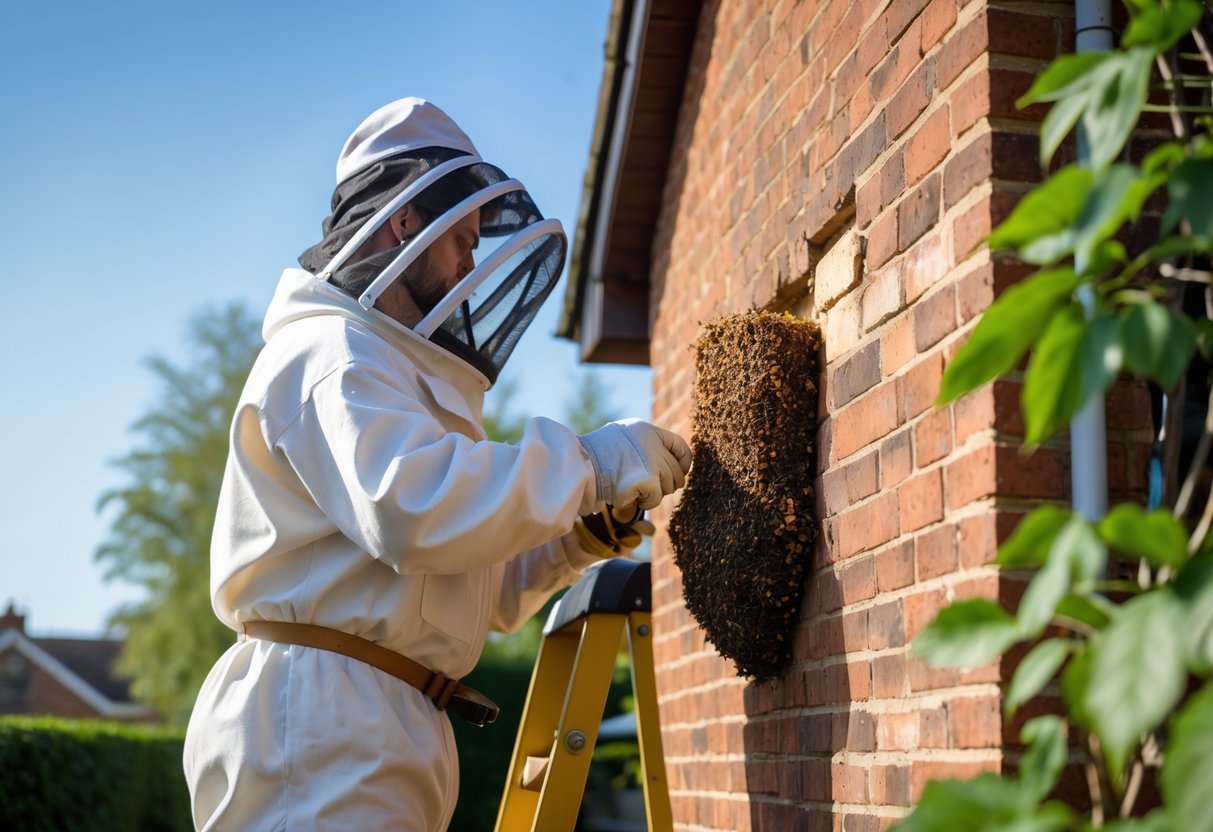
Bees matter a lot for the environment, so it’s always safer to move them than to kill them. Local bee removal groups or beekeepers often offer advice or even help out for free if you ask.
If you want to try these tricks yourself or you’re curious about legal, safe removal, stick around for some tips that work across the UK.
Free Bee Nest Removal Options in the UK

When you find a bee nest on your property, it can feel urgent to get rid of it without paying a penny. There are a few ways to do this safely, but you’ll need to figure out which bees you’re dealing with and who can help.
Beekeepers often move bees instead of killing them, and sometimes they’ll do it for free.
How to Identify Which Bees You Have
First up: what kind of bees do you have? Honey bees form big colonies and build those classic honeycomb hives. You’ll usually see their yellow and black stripes.
Bumblebees look bigger, fuzzier, and they’re usually pretty chill. Then there are solitary bees—like mason or mining bees—that don’t even bother making big nests.
Knowing your bees helps a lot, since honey bees are protected by law and need relocating, not destroying. You’ll often find their nests in walls or hollow trees.
If you’re not sure, reach out to the British Pest Control Association (BPCA) or a pest controller who knows their bees.
When Beekeepers Offer Free Removal
Sometimes, beekeepers step in and remove honey bee swarms or nests for free. They do this when they can safely move the bees to a new hive.
Usually, they’ll help with swarms that have left their old hive and are hanging from trees or clinging to walls. These swarms tend to be less defensive and easier to handle.
Free removal really depends on where you live and whether a beekeeper’s available. It helps to act quickly, since honey bees often move on by late summer.
Beekeepers don’t usually remove other types of bees or nests in hard-to-reach places for free. You can find local beekeepers through groups or sites like Happy Beekeeper, which spells out when free removal is possible.
Limitations of Free Solutions
Free bee removal isn’t always an option. Professional removal and relocation takes real skill and the right gear to keep everyone safe.
If the bees have nested somewhere risky or the colony’s huge, you’ll probably need to pay a pest controller or a BPCA-approved expert.
Ground-nesting or solitary bees aren’t covered by free removal, since beekeepers focus on honey bees. Sometimes you can try natural methods, like mulch or water, but honestly, they don’t always work.
Skip the sprays and chemicals—they’re bad for bees and, in most cases, illegal for honey bees. For free and ethical help, look for companies that do live removal and double-check which bees you’re dealing with first.
For more details on free honey bee or swarm removal, check out Will Beekeepers Remove Bees For Free? or the British Pest Control Association.
DIY and Safe Bee Removal Methods

You can try a few safe ways to move a bees nest yourself, but be careful and know when to call in the pros. Natural methods and basic safety steps can go a long way.
Sometimes, though, you just need an expert.
Natural Ways to Encourage Bees to Leave
Try planting mint, citronella, eucalyptus, or cloves around your home to make bees think twice about sticking around. These plants confuse them and make your place less tempting for nesting.
Stuff like cinnamon or vinegar can also keep bees away. Some folks use mothballs or citronella oil sprays—but skip harsh insecticides since they hurt bees, especially bumblebees and solitary types.
If you spot a small nest early on, gently disturbing the area in the evening might convince the bees to move. Always try to keep the bees safe while clearing your space.
You’ll find more on safe bee removal in this expert guide to safe bee nest removal.
Safety Tips Before You Attempt Removal
Before you do anything, suit up with gloves, long sleeves, and something to cover your face. Bee stings hurt, and if you’re allergic, they can be dangerous.
Stay calm—avoid loud noises or quick movements near the nest. Plan to work in the evening or early morning, when bees are less active and usually inside.
Keep kids and pets well away during any removal. Never use insecticide sprays unless you really know what you’re doing, since you could end up with dead bees and a bigger pest problem.
If bees have gotten into your walls or other tricky places, sealing cracks and holes in early spring can stop them coming back. There’s more on dealing with bee nests in the house at irescuebees.com.
When to Call Professional Pest Control Services
If you spot a large bee nest, or it’s tucked away somewhere tough to reach, don’t try to handle it yourself—especially if you’re allergic to stings. In these cases, calling in professional pest control just makes sense.
The experts know exactly how to get rid of nests safely, and they avoid using harsh chemicals that might harm bees or mess up your home. Usually, specialist bee removers will actually relocate the queen and the rest of the colony instead of just wiping them out.
Some companies even help patch up any damage the nest caused, which can save you from extra repair bills. Removal costs can really vary, though—they might charge anywhere from £40 to £400, depending on where the nest is and how big it’s gotten.
If you’re dealing with ground bees or nests in the soil, professionals have special tools and treatments to keep your yard safe and discourage new nests from popping up. Not sure when to bring in pest control? You can check out wikiHow’s guide on getting rid of bees for more advice.


