
If you want to enjoy the outdoors without stressing about painful bee stings, you’ll need a few simple tricks. Staying calm, skipping sudden moves, and wearing less flashy clothes usually keeps bees from bothering you.
Bees don’t usually care about you if you don’t act like a threat.
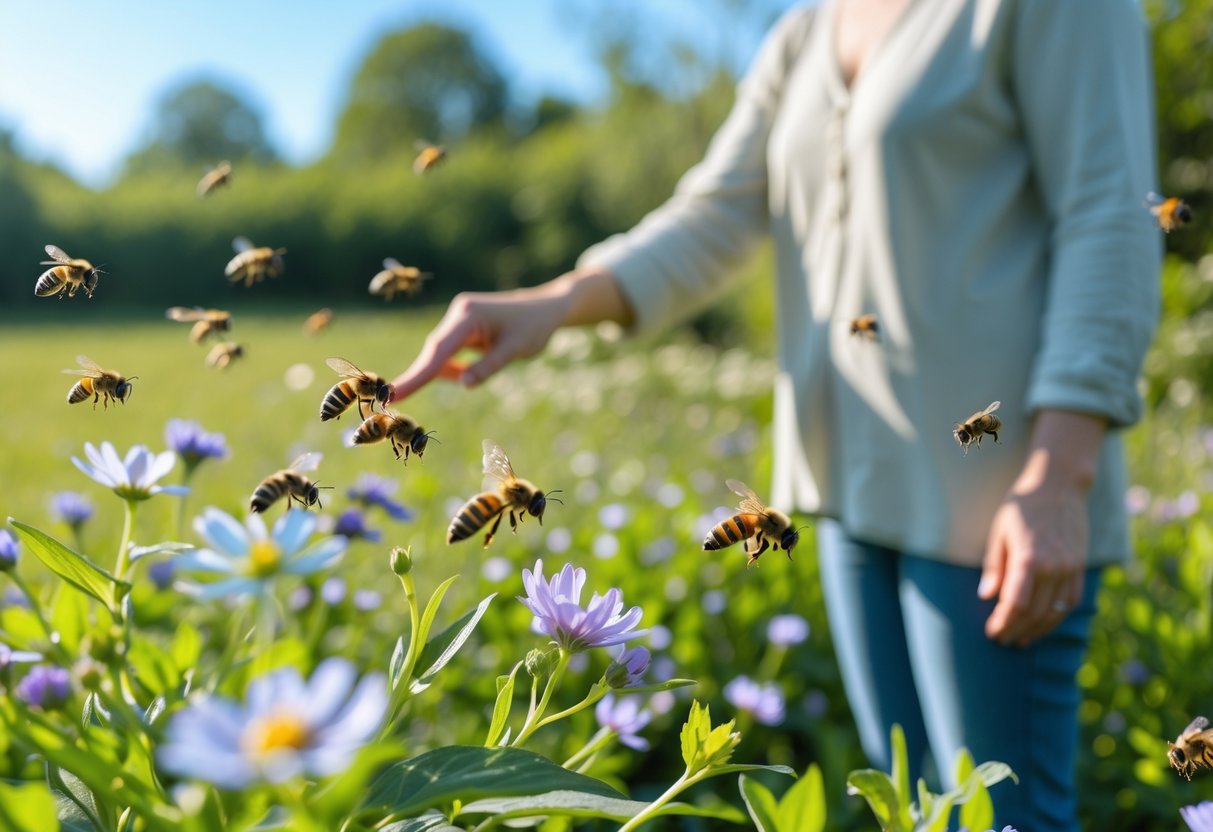
Try natural repellents and pick your clothes with care to lower your chances of running into bees. Just learning a couple of things can make your time outside way more relaxing.
What attracts bees? How do they act? Knowing these basics really helps you stay sting-free.
Fundamental Ways to Prevent Bees from Stinging You

If you want to avoid bee stings, you have to understand what makes bees tick. Watch how you act around them, wear the right clothes, and steer clear of places where bees set up shop.
When you’re near bees, staying calm and ready to move away helps keep things safe.
Understanding Bee Behavior and Triggers
Bees mostly sting when they feel threatened. Honeybees die after they sting, so they really don’t want to do it unless they have to.
Africanized honeybees act more aggressive, so you’ll want to be extra careful around them.
Bees get jumpy near their nests or colonies. Loud noises, quick movements, or swatting at them can make them defensive.
Bright colors and strong smells—like perfume or sweat—pull bees in. If you move slowly and skip sudden actions, you’ll probably avoid a sting.
Some scents, like lemongrass or citronella, actually turn bees off. Spraying these can help keep bees at bay.
Essential Clothing and Personal Habits for Protection
Wear light colors—think white, beige, or soft pastels. Bees seem to like dark or bright colors like black, red, or yellow, so it’s best to avoid those.
Loose, long sleeves and pants give you a barrier without feeling uncomfortable.
Skip strong perfumes, scented lotions, or hair products. Bees might mistake those for flowers.
Cover food and sugary drinks when you’re outside, since bees love sweet stuff.
If you spot bees nearby, don’t swat or wave your hands. Stand still or quietly walk away to avoid making them upset.
Avoiding Bee Nests and Colonies
Bees build their homes in trees, walls, and sometimes underground. Stay away from hollow logs, old woodpiles, or thick bushes—these spots often hide nests.
If you see a bunch of bees flying to one spot over and over, there’s probably a nest there. Don’t try to mess with or remove nests on your own.
Call a beekeeper or pest control pro if you find a nest too close to your house.
Check your yard now and then for hidden hives, especially in early spring and late summer when bees get more active.
Handling Bee Encounters and Emergency Preparedness
If a bee lands on you, stay calm and gently brush it off—don’t freak out or make sudden moves. If a swarm comes near, just walk away slowly and don’t flail your arms.
If you get stung, scrape the stinger off fast with your fingernail or something flat. Don’t squeeze it, or you might get more venom.
If you have allergies or know you get severe reactions, always carry an epinephrine auto-injector (like an EpiPen). Use it right away if you start having trouble breathing, swelling, or dizziness after a sting.
Get medical help ASAP if you need it.
Knowing a bit of first aid and being prepared can make a huge difference if you ever get stung.
Natural and Environmental Strategies to Keep Bees Away
Try using different scents, planting certain things, and changing your outdoor habits to keep bees from bugging you. Managing your garden and food areas helps cut down on bee visits.
Sometimes, calling a professional is just the safest way to get rid of a hive.
Using Bee-Repelling Scents and Natural Deterrents
Some smells just make bees want to stay away. Oils like peppermint oil, eucalyptus oil, and citronella oil work well if you spray them around your outdoor space.
Mix a few drops with water for a quick DIY spray.
Plants like mint and lavender naturally push bees away with their strong scents. Cloves and mothballs can also help, but be careful with mothballs—they have chemicals that might hurt other critters.
Lighting citronella candles during outdoor hangouts can also keep bees from coming too close. These scents just throw bees off and make your space less interesting to them.
Choosing Plants and Managing Gardens
What you plant in your yard really matters. Flowers like sunflower and coneflower bring in bees because they’re loaded with nectar and pollen.
If you want fewer bees, don’t plant a bunch of these flowers near where you hang out or eat.
Stick to less bee-attractive plants or herbs like mint and lavender, and keep them away from your main outdoor spots. Trim your garden and cut back overgrown areas, since bees like to hide or build nests there.
If you actually want to help bees, pick a spot far from your main hangout area for bee-friendly plants. That way, bees stay busy but don’t bother you.
Food, Drinks, and Trash Management Outdoors
Bees love sweet foods and drinks. Keep food containers closed when you’re outside.
Don’t leave soda or fruit out in the open.
Clean up spills fast and toss trash in bins with tight lids. Bees go after trash cans for leftovers, so keep those shut and empty them often to deter bees.
Skip strong perfumes and brightly colored, floral clothes outside, since those attract bees too.
Just staying a bit careful and tidy can really lower your chances of getting stung.
When to Call a Professional Beekeeper
If you spot a bee nest or hive close to your home, go ahead and reach out to a professional beekeeper. They know how to safely remove or relocate bees, and they won’t hurt them in the process.
That way, you stay safe, and the bees get to keep doing their important work somewhere else. Beekeepers use special tools to keep bees from coming back and building nests where you don’t want them.
Honestly, trying to handle a big hive on your own? It’s just not worth the risk—stings aren’t fun. When you call a beekeeper, you make sure the bees are treated kindly and your yard stays safe for everyone.


