
Ever spotted a bee with a bright red bum? It kind of grabs your attention, doesn’t it?
A bee’s red abdomen usually points to specific species—think certain bumblebees or carpenter bees. That bold color is just part of their natural markings.
You can use these markings to identify them, and sometimes even get a hint about their behavior or what role they play in the environment.
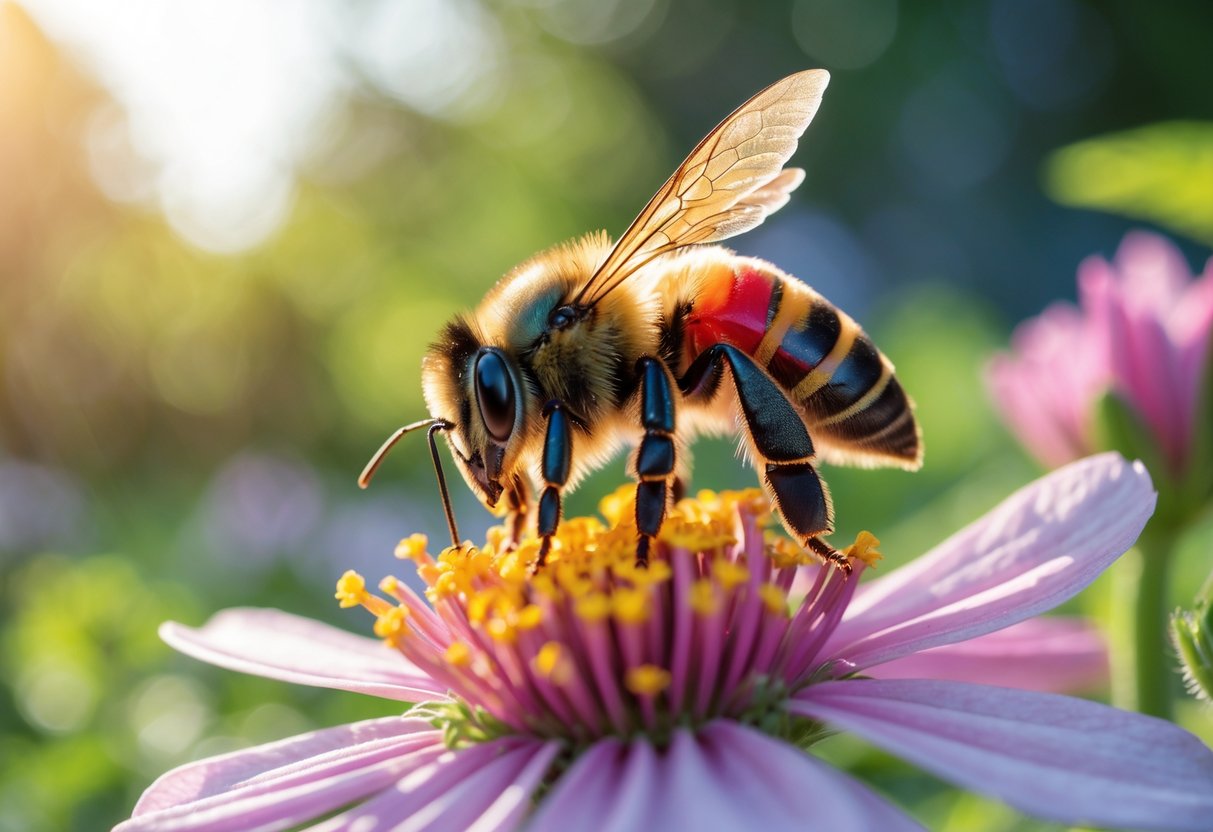
Not every bee out there has a red bum, so when you do see one, it’s a bit special. Some species use their red coloring to warn off predators, or maybe just to blend in with their surroundings.
If you keep an eye out for these colors, you might notice more on your next walk outside.
Sometimes you’ll catch the red color on the middle or the very end of the bee’s abdomen. These little differences can help you figure out which kind of bee you’re looking at.
Learning about them can make you feel more connected to the buzzing world around you. Want to dive deeper? Here’s a good article on bees with red markings.
What Does It Mean If a Bee Has a Red Bum?
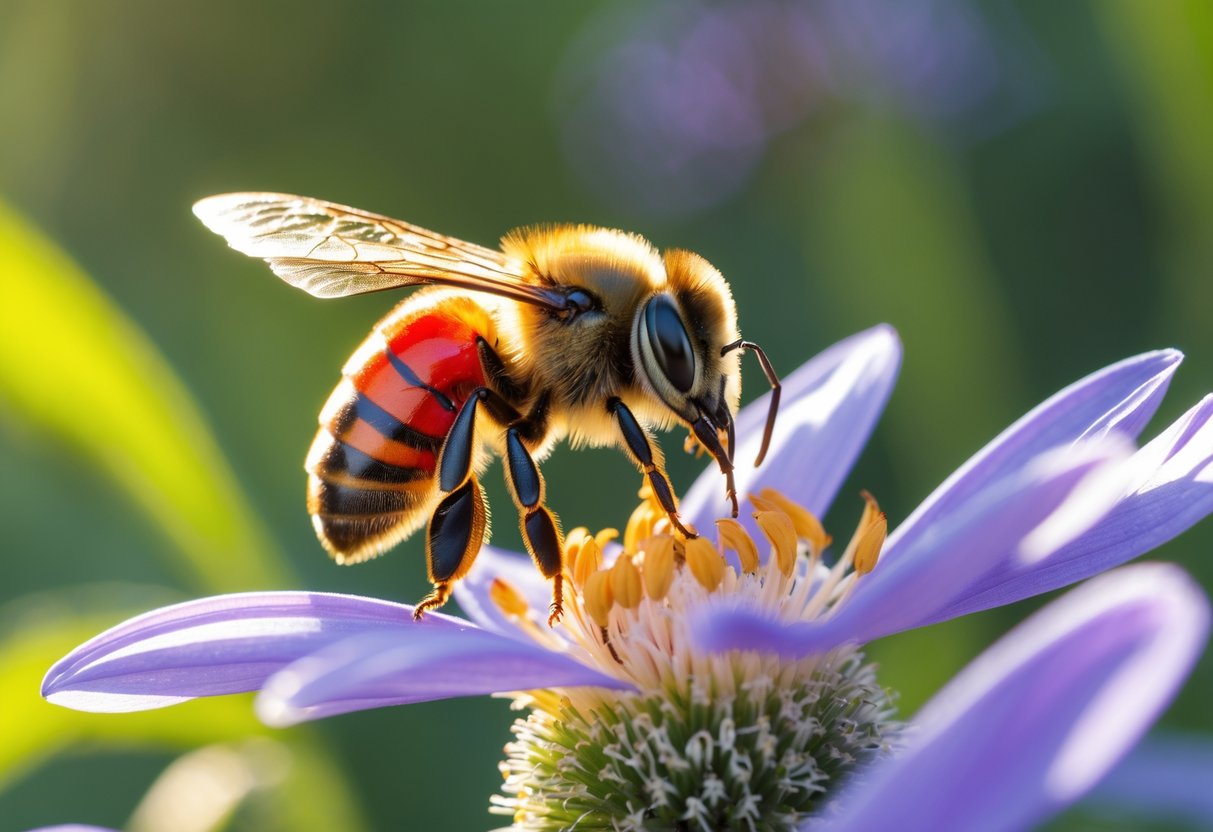
When you spot a bee with a red bum, you’re probably seeing a specific species and its natural traits. The red area helps you recognize the bee and sometimes tells you a bit about its life and habits.
You might even get clues about where it likes to live or which flowers it visits.
Common Bee Species With Red Abdomens
A handful of bee species have red abdomens, which makes them easier to pick out. The Bombus terrestris (buff-tailed bumblebee) is famous for its bright red rump.
You’ll also see red on the red-belted bumblebee (Bombus rufocinctus) and some carpenter bees. They’re not hiding out in weird places—usually you’ll find them in gardens, fields, or woodlands, doing their thing and pollinating plants.
The red color is just part of their body, not from dirt or an injury. If you get to know these bees, you might start spotting them more often and appreciating their role in your neighborhood.
Causes of Red Coloration in Bees
The red on a bee’s abdomen comes from pigments in their body hairs or skin. These pigments can be anything from a bright orange-red to a deeper shade.
Sometimes, if the bee’s been busy with reddish pollen, you’ll see that color in their pollen baskets on their legs. The red abdomen makes it easier to tell species apart and might help warn predators that this bee isn’t a snack.
It doesn’t mean the bee is sick or more dangerous than others. This red coloring varies between species, and even among bees in the same hive, you might notice differences.
Behavioral and Ecological Roles
Bees with red bums play a big part in pollination, just like their less colorful cousins. Their colors might help them hide among flowers or send a “back off” message to predators.
You’ll see worker bees with red abdomens gathering nectar and pollen for their hive. The red doesn’t change how they act, but it does help scientists and beekeepers keep track of them.
They communicate with each other—think waggle dance—to show hive mates where to find food. The red markings don’t really change their behavior, but they do make these bees easier to spot when you’re watching them in action.
Identifying Red-Bottomed Bees
If you want to spot a red-bottomed bee, check the color on the middle or end of its abdomen. The black tail bumblebee (Bombus melanopygus) often has red in the middle, while others show it more at the back.
Look at other details too, like their size, wing shape, or the color of their legs. Worker bees sometimes carry red pollen if they’ve been visiting red or orange flowers.
Photos and field guides, like those for North American bumblebees, can help you double-check your ID. If you want more info, beekeepercorner.com has some good details on bees with red markings.
Interesting Facts and Conservation of Red-Bottomed Bees
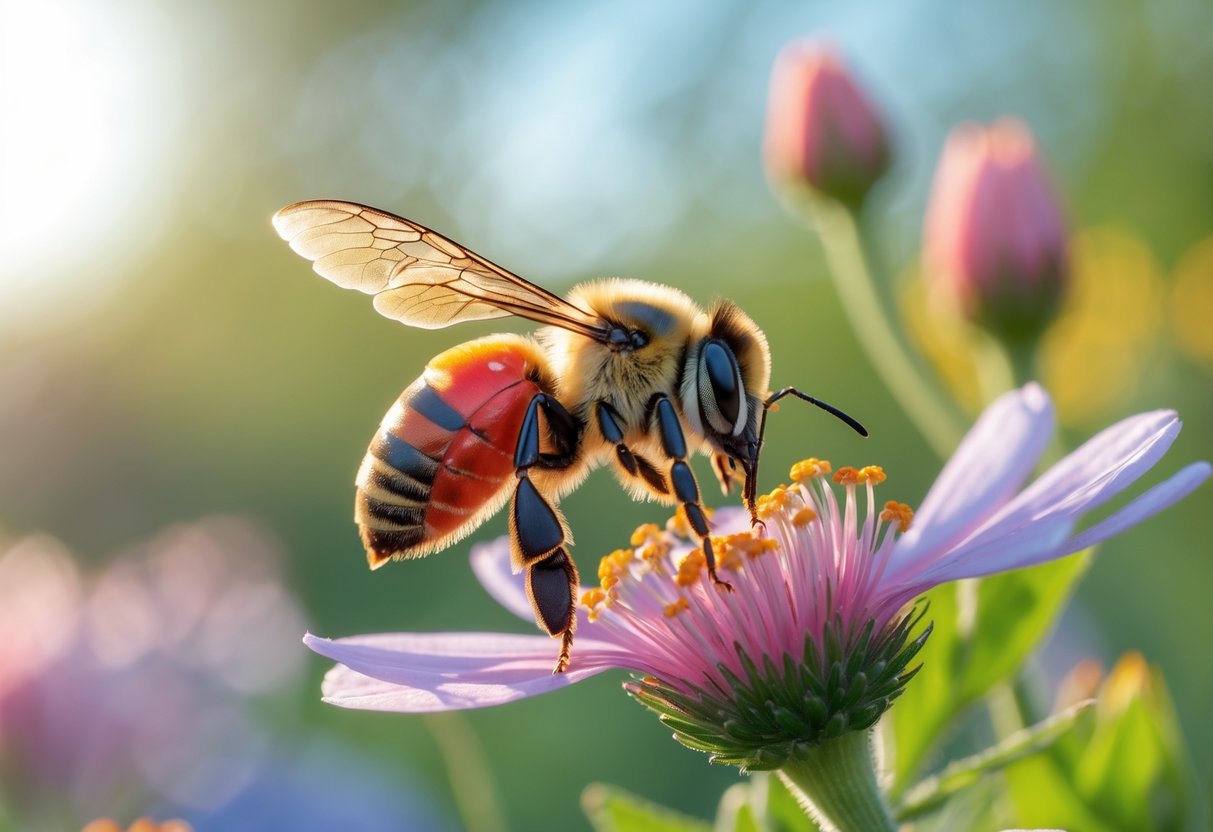
Red-bottomed bees have some traits that make them stand out. Their numbers aren’t always steady, so protecting them matters.
You can actually help by making your garden a friendlier place for them.
Unique Features of Red-Bottomed Bees
Red-bottomed bees, like the red-tailed bumblebee, usually have a black body with a bright red tail. Males sometimes sport yellow facial hair, which looks pretty striking.
Their medium-length tongues let them feed on flowers like dandelions, lavender, and knapweed. These bees are social—they live in nests underground or tucked away under stones.
One nest might hold up to 300 workers. Queens come out of hibernation in early spring and start new colonies.
You’ll find these bees in gardens, woods, and farmland as long as flowers are around.
Conservation Efforts and Threats
Red-bottomed bees face threats from shrinking habitats, pesticides, and climate changes that mess with flower availability. When natural spaces disappear, they lose places to nest and find food.
You can help by skipping pesticides and planting native flowers. Leaving old burrows alone and keeping wild spaces undisturbed also gives them a boost.
Wildlife groups keep an eye on their populations and try to spread the word about how important they are for pollination.
How to Attract Red-Bottomed Bees to Your Garden
If you want to see red-bottomed bees buzzing around, start by planting different flowers that bloom from early spring all the way to autumn.
Lavender, dandelions, and knapweed work really well. These flowers give bees a steady supply of nectar and pollen as the months roll by.
Try leaving some bare soil or small patches of ground for the bees to nest in. Skip the chemicals—pesticides can really hurt these little guys.
Tossing in a few old stones or logs helps too. Bees like having safe, cozy spots for their nests.
Honestly, with just a few tweaks, your garden can become a tiny sanctuary where these bees thrive and pollinate.
If you’re curious and want more info, check out the Red-tailed bumblebee information.


