
Bees buzzing around your home or yard can feel alarming, especially if you’re worried about stings or safety. Bees play a huge role in pollination, but let’s face it—sometimes they just pick the wrong spot to settle down.
If you want to get rid of bees, try safe removal methods like calling a beekeeper or using natural repellents. That way, you keep yourself and the environment protected.

You can plant strong-smelling herbs or sprinkle spices like cinnamon to make the area less attractive to bees. Skip the harsh sprays if you can, since bees help pollinate the plants we depend on.
If you stay calm around bees, you’re less likely to get stung, and everyone stays safer.
When bees build a hive inside your walls or another tricky spot, it’s usually best to call in a pro. Many beekeepers will remove swarms for free, so you can get rid of bees and save them at the same time.
You’ll find plenty of natural tips and bee care advice out there, if you want more details.
Effective Methods to Get Rid of Bees

There’s more than one way to remove bees, depending on your situation. Some folks focus on natural repellents, while others use traps or sprays.
Certain methods work better for honeybees, carpenter bees, or ground bees, so knowing what you’re dealing with helps.
Natural Bee Repellents
Natural repellents let you keep bees away without hurting them or the environment. Cinnamon gives off a smell bees really don’t like.
Try placing a teaspoon of cinnamon near the hive or wherever you see bees gathering. That often encourages them to move on.
Vinegar works too. Dilute it with water and spray it around your home or garden.
It won’t hurt your plants, and it helps keep bees from coming close.
Citronella candles are another handy option for outside. The scent repels bees and other flying bugs.
Set a few candles near your patio or door, and you’ll probably notice fewer bees hanging around.
If you want to avoid chemicals and protect pollinators, these natural options are a solid choice for reducing bee activity.
Bee Trap Solutions
Bee traps let you catch bees safely without causing them harm. You can buy a trap or make one yourself using sugar water or fruit juice as bait.
Once you trap the bees, make sure you release them far from your home so they don’t come back.
Some traps use cone-shaped entrances, letting bees in but making it tough for them to escape.
Traps are most effective for honeybees and ground bees, especially when you only need to remove a few.
Placement matters. Put traps where bees are active, but away from foot traffic, and you’ll avoid accidental stings.
Removing and Relocating Hives
When you find a hive inside your walls or tucked into a tough spot, you’ll probably need professional help. Some people use smoke to calm bees and get them to leave gently.
If you try to remove a hive, wear protective gear to avoid getting stung. You can cover hive entrances with a cone screen to trap bees before you relocate them.
Relocating a hive keeps honeybees safe and protects pollinators you might actually want nearby. It’s the best route if you want to save the bees but don’t want them in your house.
Bee Sprays and Pesticides
Bee sprays can cut down on bee numbers fast, but they usually kill the insects. Only use these if you absolutely have to, especially if you care about pollinators.
Some natural sprays use garlic, peppermint oil, or soap to keep bees away without harsh chemicals. They’re safer for pets and plants.
If you need to use stronger pesticides, try to only target aggressive bees like carpenter bees. Avoid spraying flowers or crops that bees visit.
Be careful with any spray. You want to get rid of bees, but not at the expense of your garden or the environment.
Natural Scents and Plants to Deter Bees
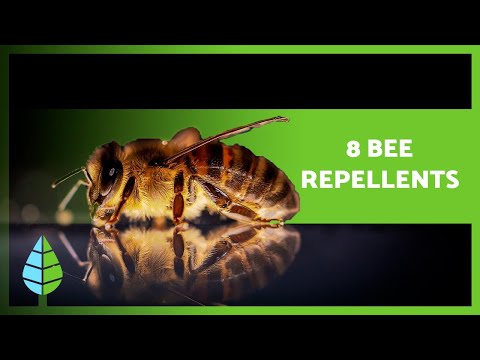
Some plants and scents can help keep bees away without harming them. You can mix herbs, spices, and oils to set up natural barriers.
These ideas add pleasant smells to your space and gently nudge bees to go elsewhere.
Using Citronella and Citronella Candles
Citronella is a strong-smelling plant that bees usually avoid. Plant citronella in sunny spots around your yard and you’ll likely see fewer bees.
For outdoor gatherings, light citronella candles for extra protection.
Citronella candles give off a scent that covers up the sweet smells bees like. Place them near seats or doors for best results.
The effect lasts while the candle burns, so you can enjoy your time outside without so many bees buzzing around.
Benefits of Mint, Marigolds, and Eucalyptus
Plants like mint, marigolds, and eucalyptus have smells that bees find unpleasant. Mint comes in lots of varieties—spearmint, peppermint, you name it.
Just remember, peppermint flowers can attract bees, so use the leaves or oil instead.
Marigolds add color to your yard and create a barrier bees don’t like to cross. Eucalyptus gives off a strong scent, especially if you crush the leaves.
Plant these around your home, and you’ll probably notice fewer bee visitors.
Deterring Bees With Garlic, Cloves, and Cinnamon
Strong spices like garlic, cloves, and cinnamon work well to keep bees away. Mix crushed garlic with water and spray it in areas you want to protect.
The smell is pretty sharp, and bees usually steer clear.
You can also set out cloves or cinnamon sticks near doors or sitting areas. These spices are cheap, easy to use, and safe for kids and pets.
Their scent lingers in the air for a while, helping keep bees from hanging around your space.
Repellent Power of Lemongrass, Cayenne Pepper, and Mothballs
Lemongrass, cayenne pepper, and mothballs can actually work pretty well for keeping bees away. When you dab a few drops of lemongrass oil near hive spots or on outside surfaces, bees usually get the hint and move along.
Cayenne pepper does the trick by bothering their senses. Just sprinkle a bit in your garden beds or around plants, and you’ll probably notice fewer bees hanging around.
Mothballs aren’t exactly natural, but their strong chemical smell really puts bees off. If you hang mothballs in mesh bags near patios or doors, you’ll make those spots less inviting. Just keep them away from food areas or anywhere kids play.
Honestly, use mothballs only when you need a quick fix, and don’t overdo it. These methods give you a bunch of options for keeping bees at bay—without hurting them.


