
Ever wondered why bees seem to circle around you? Honestly, it’s usually just a handful of things. Bees love sweet smells from your perfume, lotion, or even your sweat, and they’re drawn to bright colors you might have on. These scents and colors remind them of flowers, which they visit for nectar.
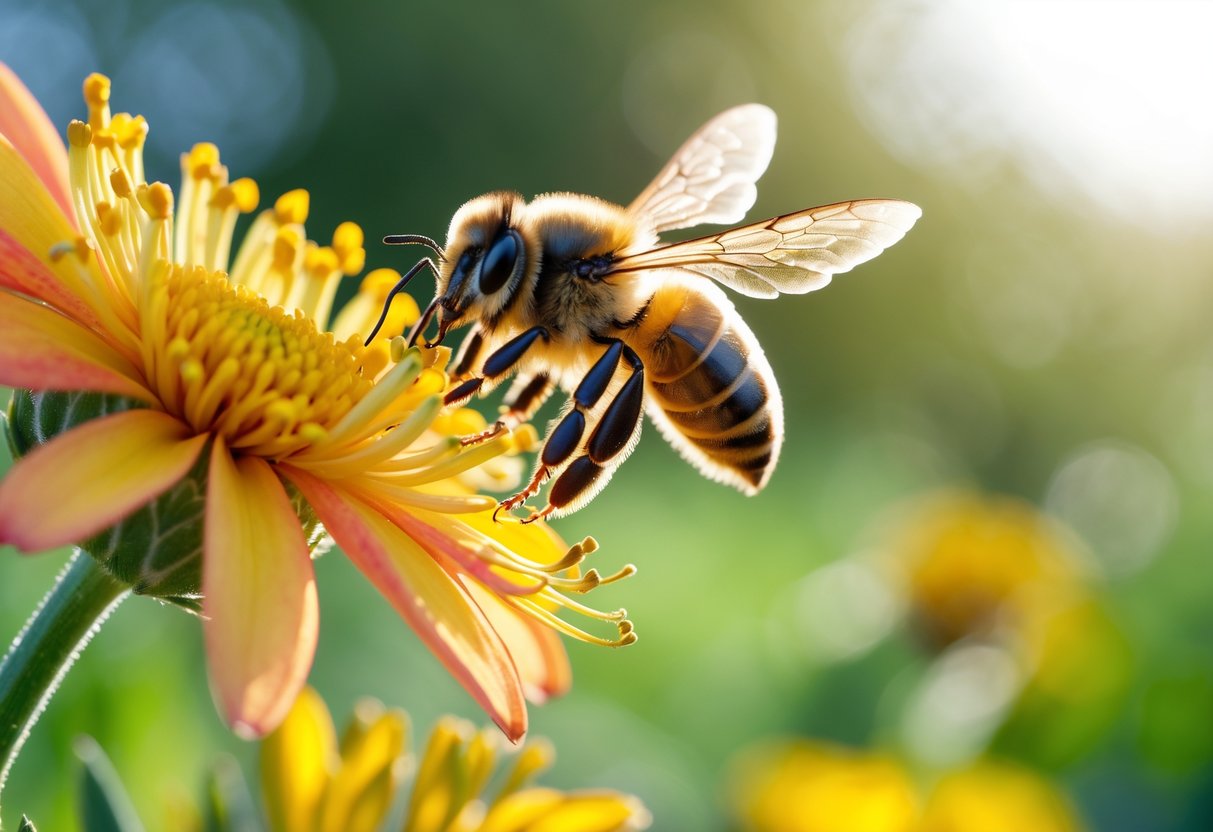
Your natural body odors can grab a bee’s attention, especially if you’re sweating. Some bees, like sweat bees, actually go for the salts in your sweat.
Even the way you move or the colors you wear can change how much bees notice you.
If you know what attracts bees, you can dodge their attention a bit more easily. It’s just handy to know, especially if you want to stay calm or safe when they’re around.
For more details, check out why bees are attracted to you and how to manage it.
Why Bees Are Attracted to Humans

Bees pick up on a bunch of things about you that can draw them in. Your scent, your clothes, even what you’re eating or drinking can bring bees closer.
Scents and Fragrances That Attract Bees
Bees rely on their sense of smell to find nectar and pollen. If you’re wearing floral perfumes or using hair products that smell sweet or flowery, you might seem like a giant flower to a bee.
These fragrances can act like a beacon and make bees curious enough to check you out.
Even natural scents from soaps or lotions with fruity or honey notes can get their attention. If you’re hoping to avoid bees, maybe skip the strong scents.
But if you’re gardening or beekeeping, floral fragrances could actually help.
Colors and Patterns That Bees Respond To
Bees get drawn to bright colors, especially yellow, blue, and violet. If you’re wearing those colors, you’re kind of asking for bee visits.
Patterns that look like flowers or have a lot of contrast seem to interest them too.
Oddly enough, dark colors like black can get bees’ attention, maybe because they look a bit like predators to them. If you’d rather not have bees buzzing around, lighter or duller colors might help.
Natural Body Odor and Sweat
Your natural body odor makes a difference. Sweat bees—and there are plenty of them—really go for the salty smell of sweat.
When you sweat, the salt and other stuff on your skin send signals to these bees and pull them in.
Even if you’re not sweaty, your skin’s oils and bacteria can make you stand out to bees. If you know you sweat a lot or have a strong natural scent, you might notice bees following you more.
Food and Drinks That Lure Bees
Bees have a thing for sweet foods and drinks—they’re always searching for nectar and sugar. If you’re eating or drinking fruits, sodas, or desserts, bees might hover nearby, picking up those sweet smells.
Open containers of juice, soda, or fruit snacks can easily invite bees. If you want to avoid that, keep your food and drinks covered outside and clean up quickly.
If you’re actually hoping to attract bees, leaving out sweet fruit or sugar will definitely do the trick.
Bee Attraction Factors in Daily Life
Bees seem to notice all sorts of things when you’re outside. What you wear, how you move, and where you hang out can all change how much attention you get from them.
Knowing this stuff can help you avoid bees if you want, or just help you figure out why they’re so interested.
Outdoor Activities and Environmental Triggers
If you spend time near flowers or wildflowers, bees like bumblebees will naturally be close by. They’re just out looking for nectar and pollen, so hanging out in those spots means you’ll probably see more of them.
Eating or drinking sugary snacks outside? Bees pick up on those smells, too. Open sugary drinks or sweet fruits really act like a magnet for them.
Wearing floral perfumes or strong fruity scents just adds to the appeal.
Bright colors stand out and can attract bees, so if you want to blend in, muted tones like beige or brown work better.
Role of Movements and Body Language
How you move matters more than you might think. Jerky or fast movements can make bees feel threatened. When they feel threatened, they might sting to defend themselves.
If you stay calm and move slowly, you’re less likely to get buzzed.
Bees notice your body language—sudden gestures can make them curious or even a bit aggressive.
Your natural body chemistry sends out signals, too. Sweaty skin or certain hair products can smell floral to bees and attract them without you even realizing it.
Difference Between Bees and Wasps
People often mix up bees and wasps, but honestly, their behavior around us is pretty different.
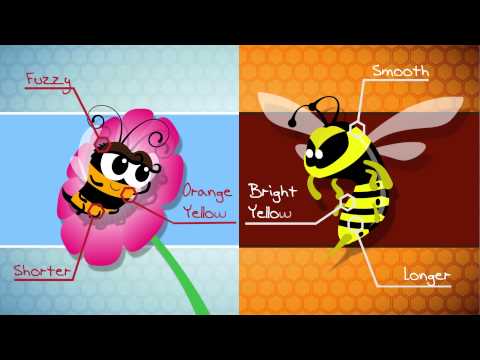
Bees—especially those fuzzy bumblebees—mainly stick to pollinating. They’ll usually only sting if they feel threatened.
Wasps, though? They tend to act a bit more aggressive. You’ll often see them buzzing around sugary foods, not flowers, since they don’t bother collecting pollen like bees do.
If you can spot these differences, you’ll probably feel a little calmer when they show up. Bees do a lot for pollination, so it’s smart to just give them space and try not to make any sudden moves that might set them off.


