
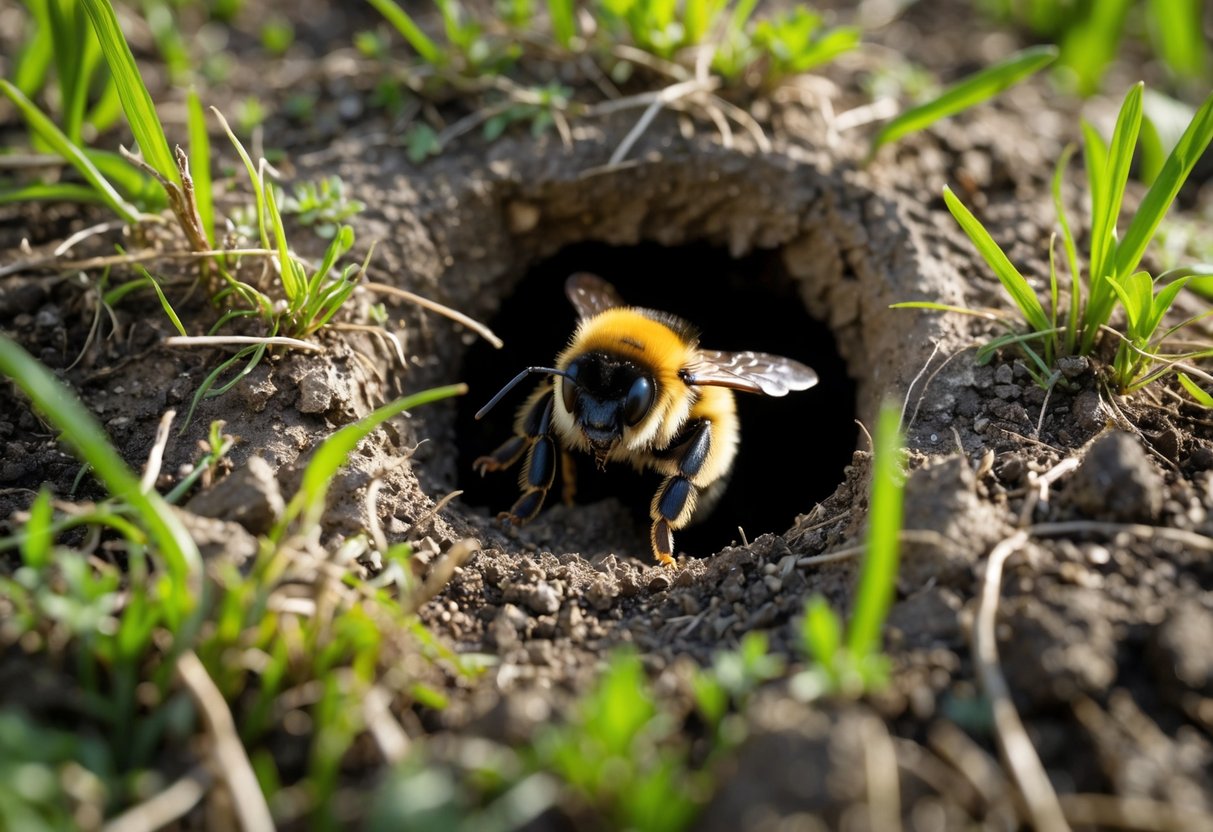
Ever wondered where bumblebees actually live? You’re definitely not the only one. These fuzzy, striped insects don’t bother with the classic hives like honeybees do. Instead, a lot of bumblebees make their nests in the ground, often choosing old rodent burrows or sneaky spots like piles of leaves or thick grass.
If you know this, you’ll have a better chance of spotting their nests and understanding how they live.
But not every bumblebee species goes underground. Some actually prefer places above ground, like hollow logs or cracks in walls.
If you notice a bunch of bumblebees zipping in and out of a spot near the ground, odds are there’s a nest down there. Knowing where they nest helps you give them space and still enjoy watching them do their thing as pollinators.
Curious about finding or dealing with bumblebee nests? Keep going—let’s look at what to watch for and how to share your yard with these busy neighbors.
Do Bumblebees Nest in the Ground?
Bumblebees usually pick spots close to or right under the ground for their nests. The exact spot depends a bit on the species and what’s around them.
They hide their nests and use natural stuff to build them. The bumblebee queen actually starts and keeps the nest going.
Typical Locations for Bumblebee Nests
You’ll find bumblebee nests underground most of the time. They like old rodent burrows, cracks in the dirt, or spots under thick grass.
Sometimes you’ll find nests in piles of leaves or wood, and every now and then, in bird boxes or tucked under roof eaves.
Some species skip the underground thing and go for above-ground nests in grass tussocks or hollow trees. Their main goal? A safe, hidden spot close to flowers.
If you see bees making regular trips in and out of one spot, that’s usually a dead giveaway you’ve found a nest.
Nest Construction and Materials
Bumblebees don’t build those fancy hives you see with honeybees. Their nests are pretty simple and use soft, natural bits.
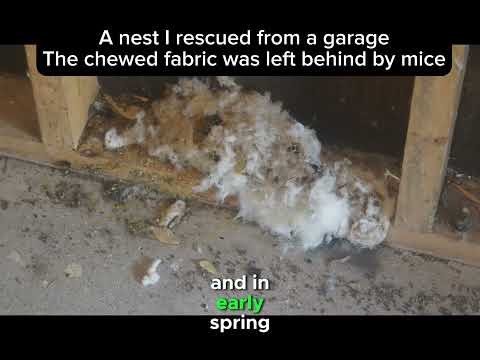
You might spot dead grass, moss, maybe even some feathers lining the inside. The nest isn’t huge—just enough for a few hundred bees at most.
Inside, there are little wax pots where the queen stores pollen and nectar. The cells for young bees are waxy and kind of loosely packed together.
All this natural material keeps things warm and dry. Since their nests are underground or hidden, insulation matters a lot for them.
Role of the Bumblebee Queen in Nesting
The bumblebee queen really runs the show and starts the whole colony. After she hibernates underground all winter, she comes out in spring and looks for a nest site.
Once she finds a spot she likes, she gets to work building the nest herself. She lays the first eggs and raises the first batch of worker bees.
Those workers eventually take over the chores—gathering food and caring for the brood. The queen mostly sticks to laying eggs after that.
If the queen can’t find a good nest site, the colony doesn’t make it. Her early choices in spring really decide if the colony will do well over the summer.
Bumblebee Nests vs. Other Bee Habitats

Bumblebees don’t live quite like other bees do. Where they nest, how they pick a spot, and how they gather food all set them apart from honey bees and the rest.
If you know these differences, you’ll spot and appreciate their homes more easily.
Differences Between Bumblebees and Honey Bees
Bumblebees usually pick hidden places like underground burrows or thick grass clumps for their nests. Honey bees, on the other hand, build big, organized hives above ground in hollow trees or boxes people provide.
Bumblebee nests are small and kind of loose, with fewer bees—maybe a few hundred at most. Honey bee hives can have thousands of bees packed inside.
Bumblebees don’t store much honey. They use pollen and nectar almost right away to feed their colony. Honey bees make large stores of honey to get through winter.
If you spot bees flying in and out of holes in the ground or grass, you’re probably looking at bumblebee nests. Honey bee hives are much bigger and pretty obvious once you see one.
Understanding Bee Hives and Their Residents
A honey bee hive is a busy, organized community. There are thousands of worker bees, a queen, and some drones.
Their hive has honeycomb made of beeswax, where they raise young and store honey and pollen. You’ll often see honey bees packed together in neat cells.
Bumblebee nests are way smaller—just a few hundred bees at most. Their nests feel softer and use grass, moss, or old rodent holes.
Bumblebee colonies only last one season, unlike honey bees that stick around all year. Both types of bees care for their young, but their nests look and feel totally different.
Honey bees defend their big hives pretty fiercely. Bumblebees use natural shelters and, if things get rough, they’ll just move on.
Importance of Pollen and Nectar for Nests
Bumblebees and honey bees both collect pollen and nectar to feed their young. Pollen gives them protein, while nectar offers energy from sugar.
Bumblebees need fresh pollen and nectar every day because they hardly store any. Honey bees, on the other hand, gather a ton of nectar and turn it into honey, which they store for later.
This honey keeps the hive going through cold months. When you spot bees hopping from flower to flower, they’re after these two essentials.
Their habits with pollen and nectar shape where and how they build nests. That’s probably why bumblebee nests seem so temporary and tucked away, while honey bee hives look sturdy and long-lasting.
For more details on bumblebee nesting habits, visit Bumble Bee Nests and Nesting Preferences.


