
If you run into an angry bee, the best thing you can do is stay calm. Bees get defensive when they think you’re a threat, especially if you’re near their hive.
If you use smoke gently, you can calm them down by covering up their alarm signals. This makes them less likely to sting.
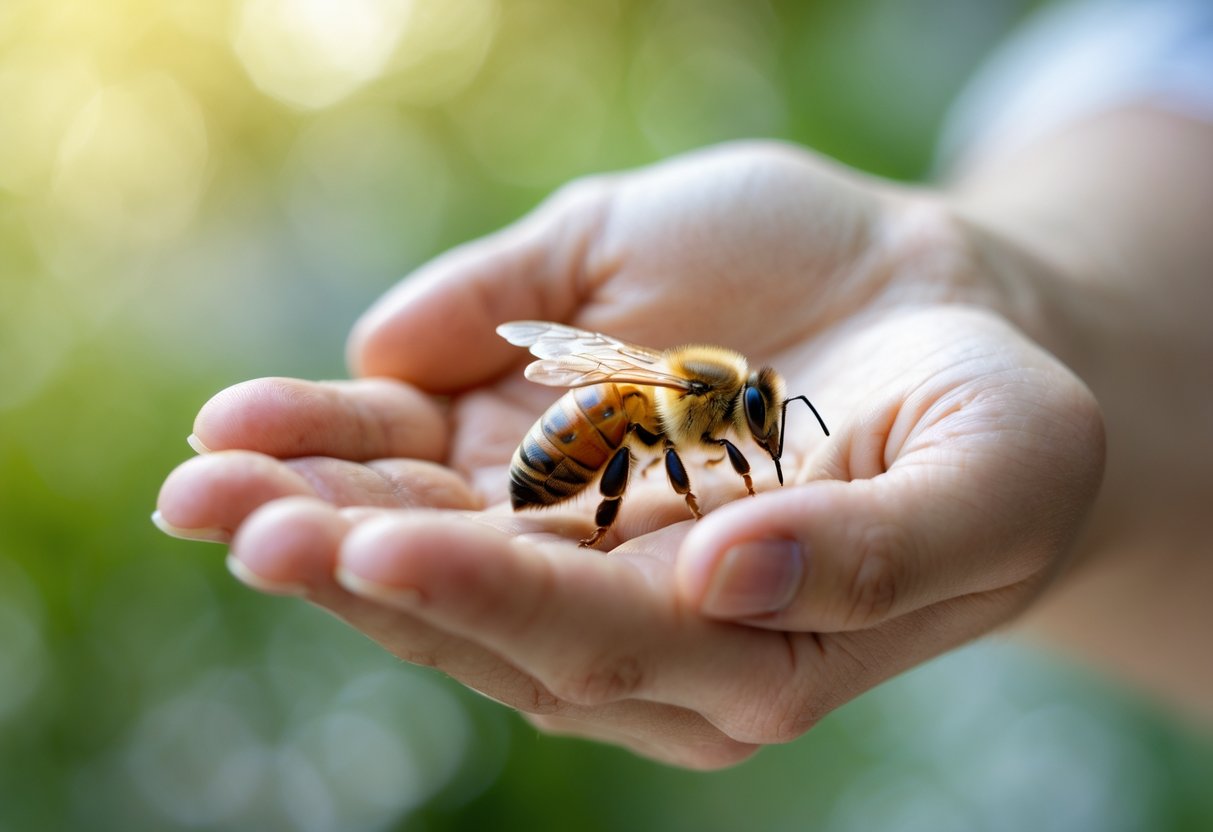
Try backing away slowly if you can, and don’t make sudden moves or wear strong scents. That just seems to make things worse.
If you understand what sets bees off, you’ll have a way better shot at keeping things chill for everyone—yourself and the bees included.
Want to take the fear out of bee encounters? Learn a few simple tricks, and you’ll be able to calm angry bees without too much trouble.
If you want more details, you can check out this guide on how to calm down angry bees safely.
Understanding Why Bees Become Angry

Most of the time, bees get angry because they feel threatened or someone messes with their home. You can learn to spot the signs of bee anger and figure out what’s making them upset.
If you know what’s going on, it’s way easier to stay calm and handle bees safely.
Common Triggers for Bee Aggression
Bees usually go on the offensive if they think their hive or queen is at risk. Things like sudden movements, loud noises, or strong smells can set them off.
For example, if you walk up too quickly or wear perfume, guard bees might buzz loudly or even chase you.
Bad weather or hive disturbances can also put bees on edge. When the hive feels crowded or threatened, bees kick into defense mode to protect their colony.
If you know these triggers, you’re less likely to upset the bees in the first place.
Bee Behavior and Communication
Bees talk to each other using body language and chemicals. When guard bees sense danger, they release alarm pheromones.
These smells tell other bees to get ready to defend the hive. You might notice more buzzing or see bees flying around more aggressively when this happens.
Bees would rather avoid a fight unless they really have to. If you watch how they behave, you can usually tell if they feel safe or if they’re angry.
If you stay calm and move slowly, you help keep things from escalating.
The Role of the Queen Bee in Temperament
The queen bee has a big impact on how the whole colony acts. If she’s healthy and giving off the right pheromones, the bees tend to stay calm.
If the queen is weak or missing, the bees often get nervous and cranky.
Her pheromones keep things running smoothly and help keep stress levels down in the hive.
So, if your bees suddenly seem angry, check on the queen. Her presence really does affect how aggressive the bees get.
You can read more about queen bee influence and managing angry bees at calming-aggressive-bees-understanding-managing-honey-bee-behavior.
How To Calm an Angry Bee Safely

To calm an angry bee, you need to handle it with care. This keeps both you and the bees from unnecessary stress or stings.
Stay calm, use the right tools, and wear protective gear when you’re around a hive.
Staying Calm and Moving Slowly
If bees get agitated, quick movements just make things worse. You should move slowly and deliberately so you don’t startle them.
Try to keep your breathing steady and don’t shout or make loud noises. Bees can pick up on your tension, so if you stay calm, they’re more likely to as well.
If you start feeling nervous, just pause and take a few deep breaths before doing anything else.
When you’re inspecting a hive or handling bees, don’t wave your arms or swat at them. Gentle, smooth motions are the way to go.
You’ll have a much better chance of not provoking them if you keep things slow and steady.
Using a Bee Smoker Effectively
A bee smoker is a must-have tool for calming bees during beekeeping. The smoke covers up alarm pheromones, so the bees don’t get as riled up.
Here’s how you use it:
- Light the fuel until you get cool, white smoke.
- Puff a little smoke at the hive entrance and inside the hive.
- Don’t overdo it—too much smoke can stress the bees out.
When bees smell smoke, they usually fill up on honey. That makes them calmer and less likely to sting.
You’ll notice the bees slow down and seem less interested in you once you use the smoker.
Wearing Protective Gear Around Bees
Whenever you’re near a hive—especially if the bees are angry—you’ll want to wear protective gear. A beekeeping suit or bee suit covers you up and keeps stings at bay.
Key gear includes:
- A veiled hat for your face and neck
- Thick gloves for your hands
- Long sleeves and pants, or just go for a full-body suit
Make sure your suit fits well and doesn’t have gaps. Bee stings hurt, and if you’re allergic, they can be dangerous.
Wearing the right gear helps you feel safer and more confident around bees.
Non-Smoky Methods for Calming Bees
Sometimes you just don’t want to use a smoker. There are other ways to keep bees calm:
- Re-queening: If you swap out an aggressive queen for a gentler one, the hive usually chills out.
- Calming sprays: Some folks like to use sprays made from natural stuff to mellow out their bees.
- Environmental changes: Try cutting down on disruptions and strong smells near the hive—bees seem to appreciate it.
Try moving slowly and let the bees settle before you do anything else. Honestly, patience and a gentle touch can work every bit as well as smoke.
If you want more ideas, you might find this guide on how to calm down angry bees safely and simply pretty useful.


