
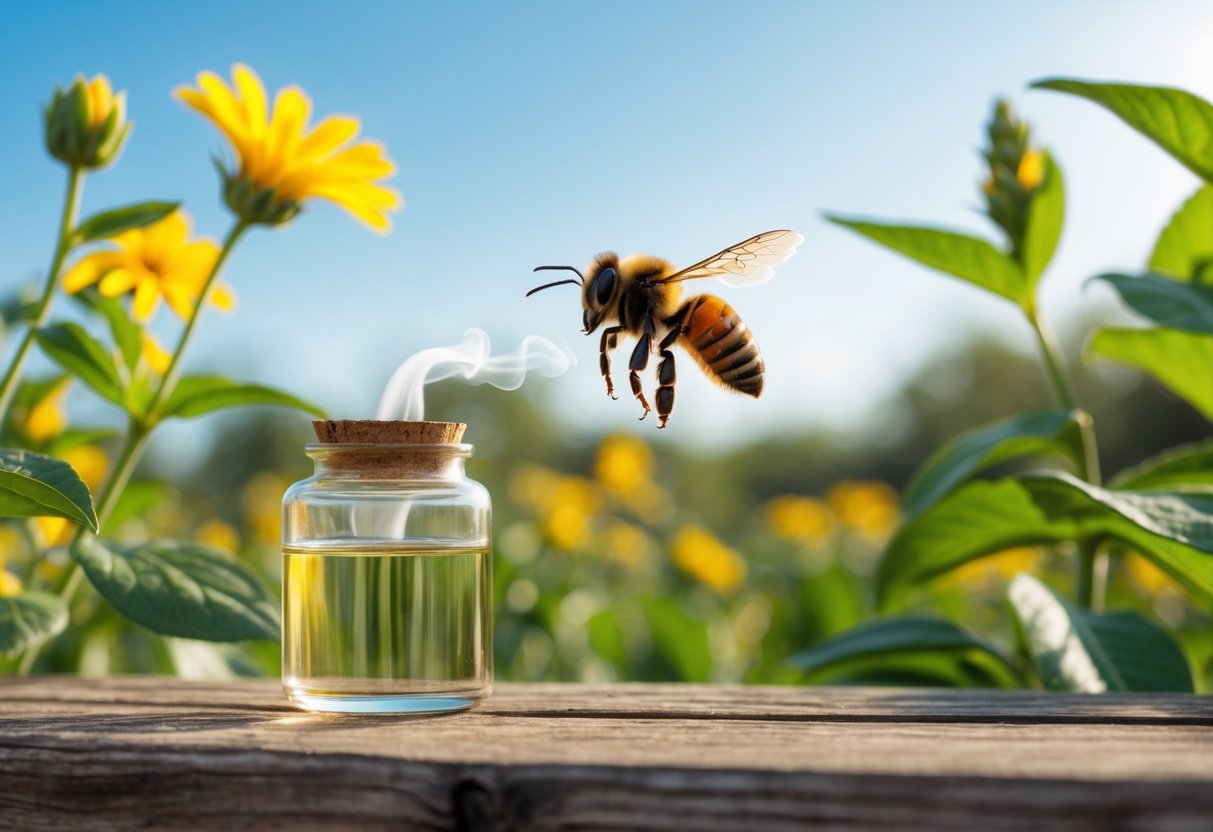
If you want to keep bees away without hurting them, it’s good to know what really bothers them. Bees absolutely hate strong smells like citronella, cinnamon, peppermint, and vinegar.
They also avoid loud noises and dark colors—especially black or red. Try using these natural scents and tricks to keep bees at a safe distance, while still respecting how important they are to nature.
Once you know what bees dislike, it gets easier to protect your garden or home from those surprise visits. You don’t have to use harsh chemicals; honestly, simple things from around the house or a few well-chosen plants often work just fine.
Let’s make your space comfortable for you and the bees, without much fuss.
What Do Bees Hate the Most?

You can keep bees away with certain smells, plants, and even some everyday stuff you probably already have. These natural options let you avoid bees without hurting them.
Knowing what bees can’t stand gives you a safer way to protect your home or garden.
Scents and Substances Bees Strongly Dislike
Bees have a real aversion to strong smells like citronella, cinnamon, and peppermint. These scents either confuse them or just drive them off, since they cover up the flower smells bees are always searching for.
Try using peppermint or eucalyptus essential oils if you want to keep bees away.
Vinegar and garlic also do the trick because of their sharp, lingering odors. If you sprinkle cinnamon powder or use lemon-scented products, you’ll probably notice fewer bees hanging around.
Put these scents near where you sit or around your plants, and you’ll see bees keeping their distance.
Plants That Naturally Repel Bees
Some plants just don’t appeal to bees, either because of their scent or their color. Lemongrass, marigold, and lavender are good choices.
Lemongrass, for example, contains citronella-like oils that bees can’t stand.
If you plant marigolds or lavender around your garden, bees usually avoid those spots. These plants look nice and smell good, but they don’t attract bees the way blue or purple flowers do.
Everyday Items That Keep Bees Away
You can use stuff from around the house to keep bees at bay—no need for fancy products. Mothballs work, though you should use them with caution because of the chemicals.
Spray some diluted vinegar or set out citronella candles if you’re outside. Peppermint sprays or even crushed mint leaves near your picnic or patio can help you relax without bee interruptions.
Give these simple ideas a try when you want to keep bees away naturally.
Want more tips? Check out this guide to smells that bees hate.
Understanding Bee Aversions and Ethical Repellence
Bees rely on their sharp senses to figure out what’s safe and what isn’t. You can use what they dislike to keep them away, and you don’t have to hurt them in the process.
This way, you keep pollinators safe and still get to enjoy your garden or yard.
How Bees’ Sense of Smell Guides Their Behavior
Bees use their sense of smell for just about everything—finding flowers, talking to each other, you name it. They pick up on a lot of scents, but some are just too much for them.
Scents like citronella, eucalyptus, and peppermint really throw them off. These smells mess with their ability to pick up on flower scents, so bees will just avoid those areas.
Try using these smells around your patio or picnic spot instead of reaching for chemicals.
Since bees do so much for pollination, it’s smart to use strong scents sparingly. You might want a bee-free zone in some spots, but keeping your whole garden bee-friendly is still important.
Why Bees Avoid Some Scents and Environments
Bees steer clear of strong, artificial smells and places that mess with their sense of direction. Loud noises and sudden movements freak them out too.
They see dark colors like black or red as threatening, which is kind of wild if you think about it. Bees prefer calm, predictable places for foraging and pollinating.
If your yard is full of bright lights, loud sounds, or strong odors, you’ll probably notice fewer pollinators. That could mean your plants get less help from bees.
When you know what bees avoid, you can make choices that protect them and keep their favorite spots safe. That’s better for your plants and, honestly, good for the planet too.
Tips for a Bee-Free Yet Bee-Friendly Space
You can set up spots that keep bees away, but still make your garden a nice place for pollinators. Here are some ideas to try:
- Put natural repellents like citronella or peppermint oil in just a few chosen areas.
- Skip strong perfumes or scented lotions when you’re outside.
- Grow bee-friendly flowers, like lavender, farther from places where people gather.
- Go for light-colored garden furniture—bees seem less interested in those.
- Try to keep loud noises and sudden movements down, especially near bee houses or hives.
It’s a balancing act, right? You get to avoid surprise bee encounters, help out the bees, and keep your garden thriving—all at once. If you want more info on natural repellents, check out 8 Smells That Bees Hate (And How To Use Them).


