
Ever wondered if bees, those tiny, busy creatures darting around flowers, actually have feelings? Scientists have started to find that bees show signs of emotions—things like happiness and stress.
Bees can experience moods that affect how they behave, which suggests they have feelings in a way that matters to them.

Researchers noticed bees react differently depending on what they’ve been through, kind of like us. If a bee gets a sweet treat, it acts more optimistic.
But if something scares or bothers it, its behavior shifts, showing a negative feeling.
Thinking about bees as creatures with feelings changes how we see them. Maybe it should change how we treat them in farming and research, too.
If you’re curious about whether bees really feel and what that means, let’s dive deeper into the world of bee emotions.
Do Bees Have Feelings? Scientific Investigations and Discoveries
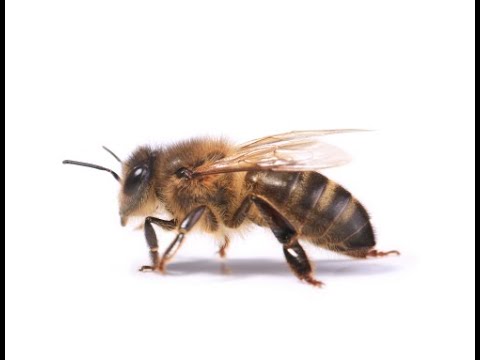
Maybe you’ve wondered if bees, like honeybees and bumblebees, actually experience emotions or just react to stuff around them. Scientists have dug into this with experiments and by looking at brain chemicals to see how bees handle good and bad situations.
Understanding Emotion-Like States in Bees
Bees show what researchers call emotion-like states. These feelings pop up after things like stress or rewards.
Research from Queen Mary University of London found bees change their behavior after good or bad events. Animals like dogs and rats do this too.
For example, if something nice happens, bees act more “optimistic.” But after stressful stuff, they act “pessimistic.” Their brains process feelings, just maybe not as deeply as humans do.
These states help bees decide whether to explore or play it safe.
Key Experiments on Optimism and Pessimism
Think about optimism and pessimism in bees as feeling hopeful or worried. Scientists like Clint Perry and Lars Chittka ran experiments where bees learned to connect smells with rewards.
After researchers gently shook the bees—a stressful event—the bees stopped expecting rewards. That showed signs of pessimism.
Calm bees, on the other hand, were more likely to expect a reward, showing optimism. These experiments show bees’ moods actually shift based on what just happened to them.
This kind of research challenges the old idea that only mammals feel emotions. It makes you wonder how many other animals have emotional lives we haven’t noticed.
The Role of Dopamine in Bee Behavior
Dopamine, the brain chemical that brings pleasure and motivation, works in bees too. Scientists found dopamine steers their choices and actions.
When bees get a reward, their dopamine levels go up. That makes them more likely to keep doing what got them the treat.
Higher dopamine supports positive moods and helps bees focus on finding flowers. When dopamine drops, bees get less active and don’t search for food as much.
So, dopamine shapes bee behavior in pretty important ways. Learning about this gives us a glimpse into how even tiny brains can handle feelings.
How Bees Exhibit Emotional Responses: Biases, Play, and Triggers

Bees show emotional responses through how they react to things around them. You’ll see this in their judgment when stressed, their behavior under threat, and even in moments of play.
Looking at these details, you start to see bees as more than just little robots following instincts.
Judgment and Cognitive Bias in Bees
Bees can have judgment biases, so they don’t always see things clearly when stressed. For example, when researchers shake bees to mimic a predator, bees get a pessimistic cognitive bias.
They start expecting bad outcomes more than good ones. Sometimes, they even refuse to reach out for unclear or mixed smells, thinking something bad might happen.
This bias helps bees protect themselves. Studies from Queen Mary University of London suggest bees feel things like anxiety or fear when danger is close.
Effects of Predators and Stress
When bees sense a threat, they change how they act—fast. The fear from a predator attack triggers stress, and bees become much more careful.
Stressed bees avoid risks and act more cautiously. You can spot this in how they react to sugar water or other rewards—they’re less likely to take chances after a scare.
Negative emotions like fear or anxiety help bees survive. But they also make bees less likely to explore or try new things.
Positive Experiences and Bee Playfulness
Bees aren’t just reactive; sometimes they actually seem joyful or curious. Researchers have even spotted what looks a lot like play in bees.
After they get some sugar water, a few bees break into little flights or quirky dances. These don’t really serve any obvious purpose.
Maybe this playfulness helps them bond with others, or maybe it’s just practice for real work later on. Who knows for sure?
The playful side of bees shows their emotional world isn’t only about reacting to threats. Positive moments let us see bees as animals that can enjoy life, even if it’s just in a simple way.
Scientists are still digging into this, but honestly, it’s fascinating to realize bees might have a lot more going on emotionally than we thought.


