
If you want to avoid bee stings, try wearing protective clothing like long sleeves and pants. Bees usually sting when they feel threatened, so staying calm and moving slowly really helps.
Stay away from areas where bees are active, especially near nests. That’s honestly one of the best ways to dodge stings.
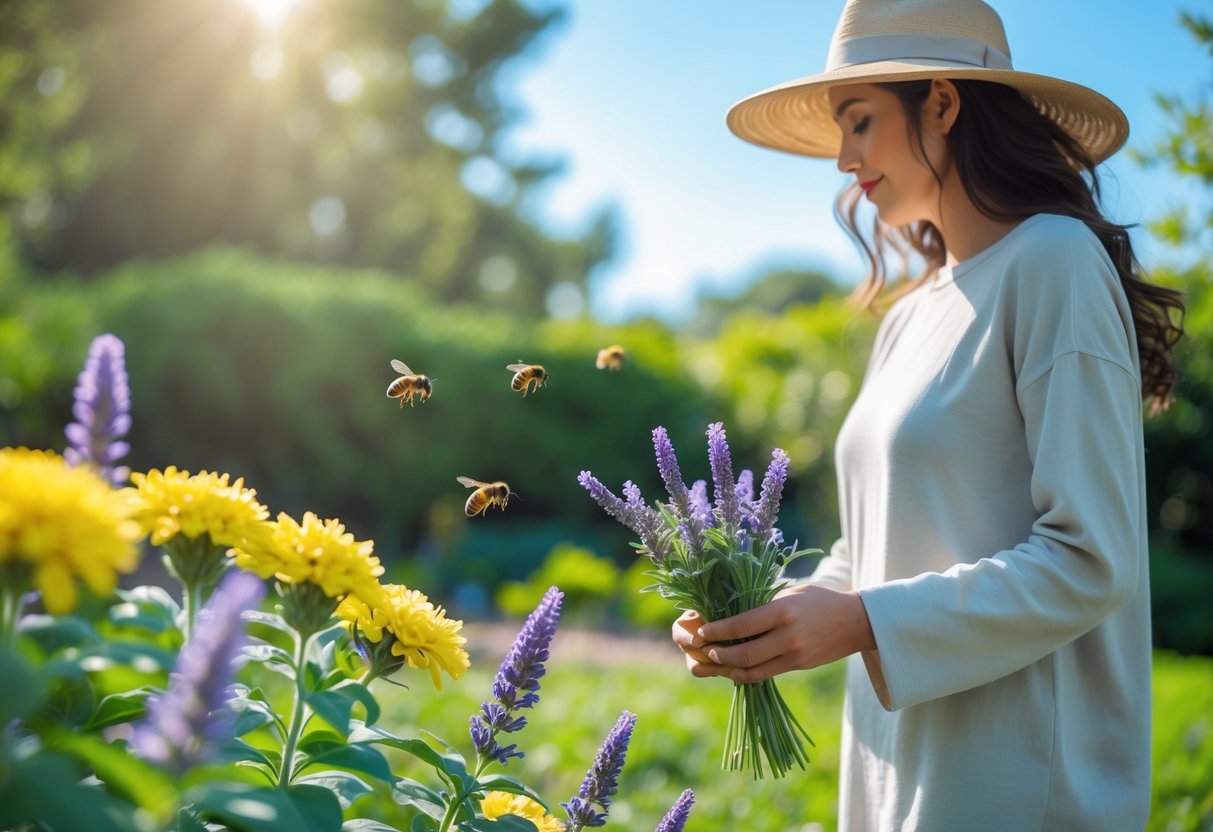
Skip bright colors or strong perfumes since bees seem to love those. Don’t swat or brush bees off—this just makes them defensive.
If you pay attention to your surroundings and your outfit, you can relax outdoors without stressing about bee stings.
These simple steps let you protect yourself and, at the same time, respect bees and their important role in nature. Want more ideas to stay sting-free? Keep reading for some practical tips you can use right away.
Proactive Strategies to Prevent Bee Stings

You can lower your chances of getting stung if you know where bees hang out, dress smart, keep tempting smells away, and stay chill around them. Each of these things helps you avoid upsetting bees or wasps, which means fewer stings.
Recognizing Areas Where Bees Are Commonly Found
Bees usually gather near flowers to collect nectar and pollen. Watch out for gardens, orchards, meadows, and anywhere blooming plants grow.
They also build nests in hidden spots like hollow trees, shrubs, tall grass, and under decks or porches. Wasps like similar places, but sometimes they pick wall cavities or even the ground.
Steer clear of these areas. If you spot a hive or nest, just give it space.
Knowing where bees and wasps live helps you avoid high-risk zones.
Appropriate Clothing and Protective Measures
Wear light-colored, smooth fabrics when you’re outside. Bees seem to go for dark colors and rough textures because those look like predators or hiding spots.
Skip bright colors and floral patterns since those can attract bees. Long sleeves and pants cover your skin and lower your chances of getting stung.
If you’re working near bees, use protective gear like thick gloves and veils. It helps when you’re close to hives, but no outfit is a guarantee.
Keeping Food and Fragrances Covered
Bees and wasps love sweet foods and sugary drinks. Keep your food sealed and wipe up spills fast to avoid drawing them in.
Strong smells from perfumes, lotions, and deodorants can also attract bees. Try unscented products if you’ll be outside for a while.
Keep trash bins closed and away from where you sit or eat. Managing scents and food helps keep stinging insects away.
Remaining Calm Around Bees and Wasps
If a bee or wasp comes close, just stay still or move away slowly. Swatting or sudden moves can make them feel threatened and more likely to sting.
Try to avoid loud noises or bright flashes around bees. They usually respond better when you keep calm.
Even if several bees are nearby, staying relaxed helps. Quick movements or panic can trigger them to attack.
Remember, bees only sting when they feel in danger.
Reducing Risks for Allergic Reactions and Emergencies

If a bee or wasp stings you, it’s important to know how to spot serious allergic reactions and what tools can help. Understanding venom differences can also make a difference in how you respond.
Being prepared really helps you handle emergencies better.
Understanding the Signs of Anaphylaxis
Anaphylaxis is a severe allergic reaction that needs emergency help right away. You might notice trouble breathing, swelling in your face or throat, a fast heartbeat, or feeling dizzy and faint.
Skin symptoms like hives, redness, or itching can show up, but sometimes they don’t come first.
If you notice any of these signs after a sting, act fast. Call emergency services immediately because anaphylaxis can get worse quickly.
Knowing these signs could save your life—or someone else’s.
Carrying an Epinephrine Autoinjector if Needed
If you know you’re allergic to bee or wasp stings, always carry an epinephrine autoinjector. This device gives you medicine that can stop a reaction from getting worse.
It’s pretty easy to use and works best if you use it quickly after a sting.
Make sure you and your friends or family know how to use the autoinjector. Check its expiration date often and bring it with you whenever you’re outdoors.
Having this device handy can make a huge difference in staying safe.
Differences Between Bee Venom and Wasp Venom
Bee venom and wasp venom aren’t the same—they differ in chemical makeup, which actually changes how your body reacts. When a bee stings, its stinger usually gets stuck in your skin and breaks off.
That stinger keeps releasing venom slowly, so it’s a good idea to remove it as soon as you can. Getting it out fast might help cut down on pain and swelling.
Wasps, though, don’t leave their stinger behind. They can sting you several times, injecting venom more quickly and, honestly, the pain can feel a lot sharper.
Both types of venom can trigger allergic reactions. Wasp stings, though, might cause symptoms to show up right away.
If you want more details, you can check out advice on recognizing reactions and using epinephrine from the Mayo Clinic Health System. There’s also some info about venom differences over at Beekeeper Corner.


