
Ever wondered if bees are actually aggressive toward humans? You’re definitely not the only one.
Here’s the thing—bees usually just want to be left alone unless they think their hive or queen is in trouble. Most of the time, they’re too busy gathering nectar and pollinating flowers to care much about people.
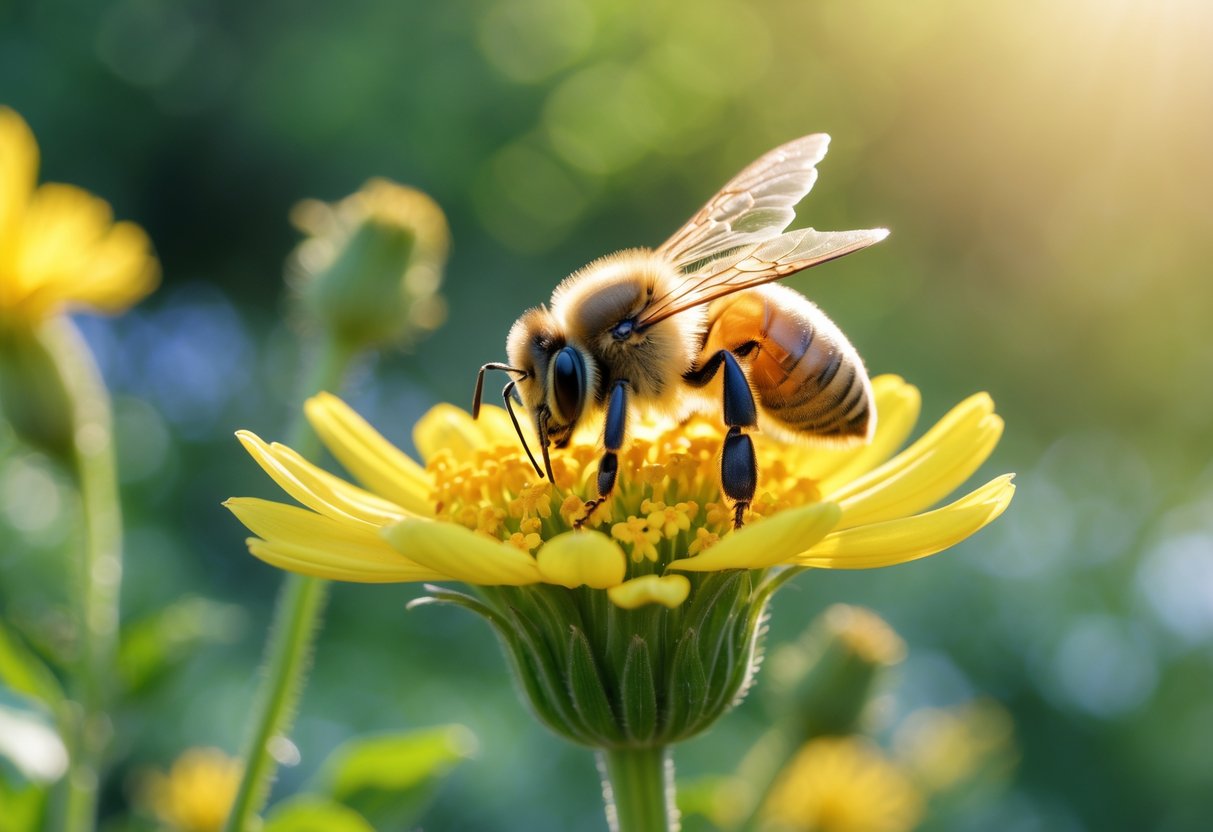
Some types of bees can get a little more defensive, especially if you mess with their nest or when food is running low during colder months.
But honestly, if you keep calm and don’t make any sudden moves near a hive, bees usually leave you alone.
If you know what makes bees act up, you can stay safer and maybe even appreciate them a bit more. Curious about what sets them off? Let’s dig into what triggers their defense and how to spot bee behavior around you.
Are Bees Aggressive to Humans?

Bees don’t usually bother people unless they feel threatened or sense danger near their home.
If you get why bees act aggressively and how they protect themselves, you’ll have an easier time avoiding stings.
Different bee species defend themselves in their own ways, depending on the situation.
Common Triggers for Bee Aggression
Bees get aggressive mostly because they think you’re a threat to their hive or queen.
Quick movements, like swatting or waving your arms near a hive, can really set them off.
Even loud noises or strong vibrations can make bees feel uneasy.
If you accidentally step on a bee or disturb a nest, you might get attacked.
In late summer and early fall, bees like yellow jackets and some honey bees act more aggressively since food gets scarce.
Knowing what ticks them off can help you stay calm and avoid trouble.
How Bees Defend Themselves
When bees feel threatened, they sting to defend their hive.
Their sting injects venom, causing pain and swelling, and it warns others to stay away.
Honey bees usually sting only once because their stinger gets stuck, and then they die.
Some bees release alarm pheromones after stinging, which tells other bees to join in.
If the queen’s at risk, worker bees get super protective and might attack in large groups.
So, it’s smart to keep your distance from hives and avoid doing anything that might seem threatening.
Species Differences in Aggressive Behavior
Not all bees act the same way.
Honey bees tend to stay pretty chill but will fiercely defend their hive if they have to.
Africanized honey bees, or “killer bees,” react faster and attack in larger swarms.
Bumblebees are usually less aggressive and only sting if you really bother them.
Ground-nesting bees can be protective, but they mostly steer clear of people.
If you know which bees act more defensive, you can better judge the risk and act accordingly. Want more details? Here’s a guide on which bees are aggressive.
Avoiding and Responding to Bee Aggression
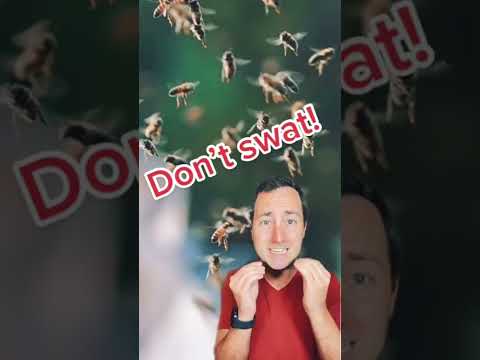
If you know how your actions affect bees and what to do when things get risky, you’ll stay safer.
You can avoid stings by steering clear of certain actions and knowing when bees are nearby.
How Human Actions Affect Bee Aggression
Bees get aggressive when sudden movements make them feel threatened.
If you wave your arms or try to swat them, they’ll see you as a threat.
Staying calm and moving slowly keeps bees from attacking.
If you handle a hive roughly or mess with a nest, bees get defensive fast.
Even chemicals like pesticides near their home can stress them out and make them act more aggressive.
Bees only sting as a last resort to protect their hive or themselves.
Preventing Bee Encounters Near Nesting Sites
Stay away from places where bees nest.
They’re super protective of their home and might attack if you get too close.
Look out for hollow trees, bushes, or holes in the ground—bees like to build nests there.
Skip bright colors or strong perfumes, since those attract bees.
When you’re outside, wear smooth clothes and keep sugary drinks or food covered, because those can draw bees in.
What to Do If You Are Attacked or Stung
If bees come after you, cover your face and run away as fast as you can—just try not to wave your arms around. Staying calm might help you get fewer stings.
Once you’re safe, scrape the stingers off with your fingernail or any flat object you have handy. Don’t pinch them out; that can make things worse.
Wash the sting with soap and water. Grab a cold pack for the swelling.
You can use over-the-counter creams or antihistamines if the itch drives you crazy. If you start having a bad allergic reaction, don’t wait—get medical help right away since bee venom can be pretty dangerous for some people.
Want more tips? Take a look at this advice on managing aggressive bees and understanding bee behavior.


