
Bees don’t just sting for no reason. They usually sting to protect themselves or their hive, but some things make you more likely to get stung.
Bright colors, strong scents—think perfumes, sunscreens—and even sugary foods or drinks can draw bees in and boost your chance of getting stung.
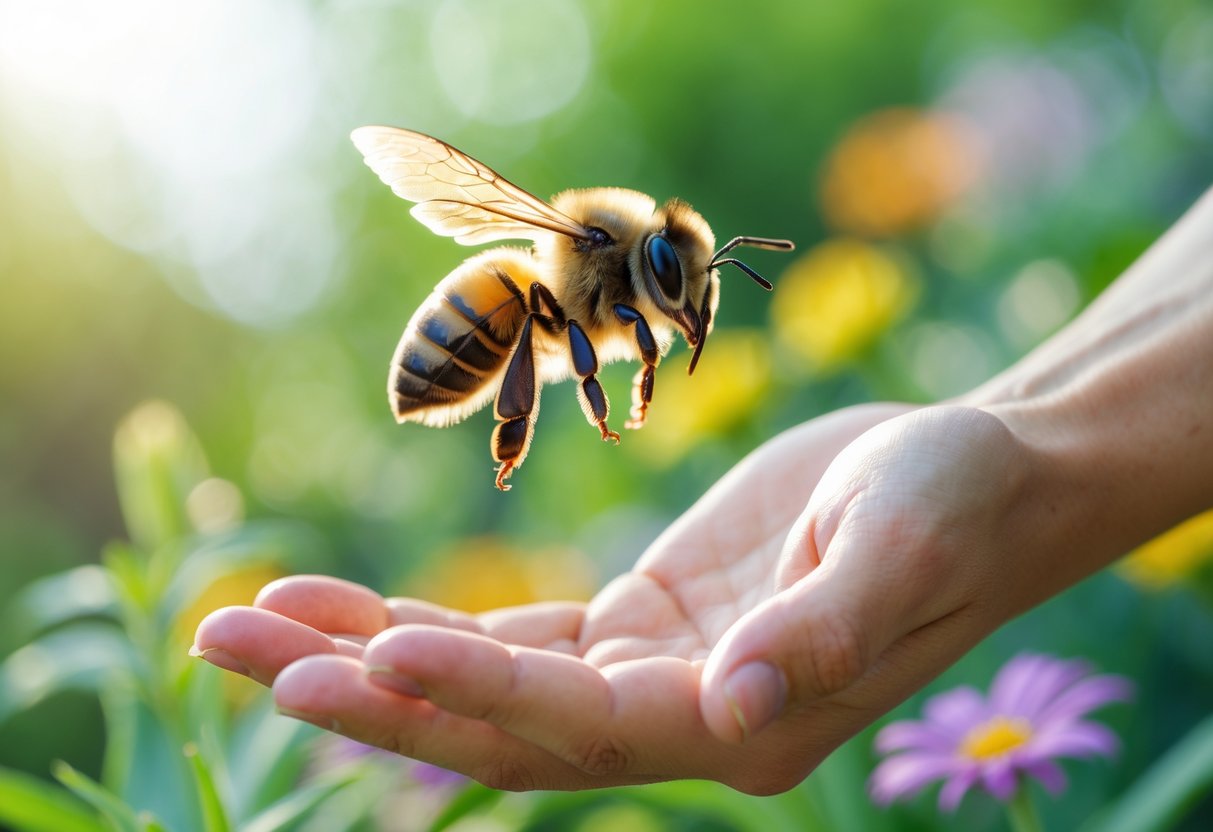
If you want to avoid bee stings, you’ll need to know what actually attracts them. Understanding what sets off their stinging behavior helps you relax and enjoy being outside without constantly worrying.
Curious about how to spot and dodge the things that might get bees buzzing around you? Let’s get into it.
Why Bees Sting and What Triggers an Attack

Bees sting mainly to protect themselves or their hive. Different bees act differently, and when one stings, it releases chemicals that call in backup.
If you know what sets them off, you’ll have a much easier time staying safe.
Self-Defense and Perceived Threats
Bees sting when they feel threatened. Get too close to their hive or wave your arms around, and they’ll see you as a problem.
Step on a bee or try to swat one? That can trigger a sting too.
Honey bees die after stinging because their barbed stinger gets stuck in your skin. Bumble bees and wasps, on the other hand, have smooth stingers—they can sting again and again without hurting themselves.
Strong smells from perfumes, lotions, or food can attract bees and make them edgy. If you stay calm and move slowly, you’ll lower your chances of getting stung.
The Role of Alarm Pheromones
When a bee stings, it releases an alarm pheromone. This chemical signals other bees to defend the hive.
The pheromone actually smells like bananas—strange, right?—and it makes nearby bees aggressive.
One sting can quickly snowball into a lot more. Once the first bee stings, others start circling, looking for the threat.
If that happens, cover your face and leave the area slowly. It’s the best way to avoid drawing even more bees.
Alarm pheromones really drive that group defense, especially with honey bees.
Types of Bees and Their Stinging Behavior
Honey bees mostly sting to protect their home. They’re pretty defensive and won’t hesitate to go after anyone they think might be a threat.
Bumble bees? They’re less aggressive and usually only sting if you handle them roughly. Their stingers are smooth, so they don’t die after stinging.
You’ll probably find bumble bees just fly away if you leave them alone.
Wasps aren’t true bees, but they look similar. They’ve got smooth stingers and can sting as much as they want.
Wasps are more likely to sting if you swat at them or mess with their nests.
Knowing these differences helps you avoid stings, no matter which buzzing insect you run into. For more on what attracts bees to sting, check out what attracts a bee to sting you.
Common Attractants and Human Behaviors That Lead to Bee Stings

Certain scents, colors, and actions make bees more likely to sting. If you know what gets their attention, you can avoid most bee run-ins.
Scents and Colors That Attract Bees
Bees love bright colors—yellow, orange, anything floral. These shades remind them of flowers, so wearing them can make you a target.
Sweet scents from perfumes, lotions, or even soaps can also draw bees in. They confuse these smells with nectar and pollen.
If you’re going outside near bees, skip the strong floral or fruity fragrances. Unscented products work better and won’t make you stand out.
The Impact of Food and Drinks
Bees can’t resist sweet foods and drinks like soda, juice, or fruit. If you’re eating or drinking these outside, expect bees to come check it out.
Open containers with sugary drinks really attract bees. If they feel disturbed while feeding, they’re more likely to sting.
Keep food covered and try not to spill drinks when you’re outdoors. Staying clean and tidy goes a long way in keeping bees off your back.
How Movement and Clothing Affect Bee Responses
Sudden or fast movements tend to scare bees. When that happens, they’re more likely to sting because they feel threatened.
It’s honestly better to wear loose, light-colored clothes. Dark or brightly colored clothing, plus flowing fabrics, just seem to make bees uneasy.
If you keep calm and move slowly, you really lower your chances of upsetting them. Try not to swat at bees—even though that’s a pretty natural reaction.
For more detailed tips, see what attracts bees to sting humans.


