
Ever noticed a bee hovering in front of you, almost like it’s staring? Bees don’t actually stare like people, but they’ll hover and turn their gaze your way out of curiosity. Maybe they’re checking if you’re a threat, drawn to your scent, or just intrigued by your look or the way you move.
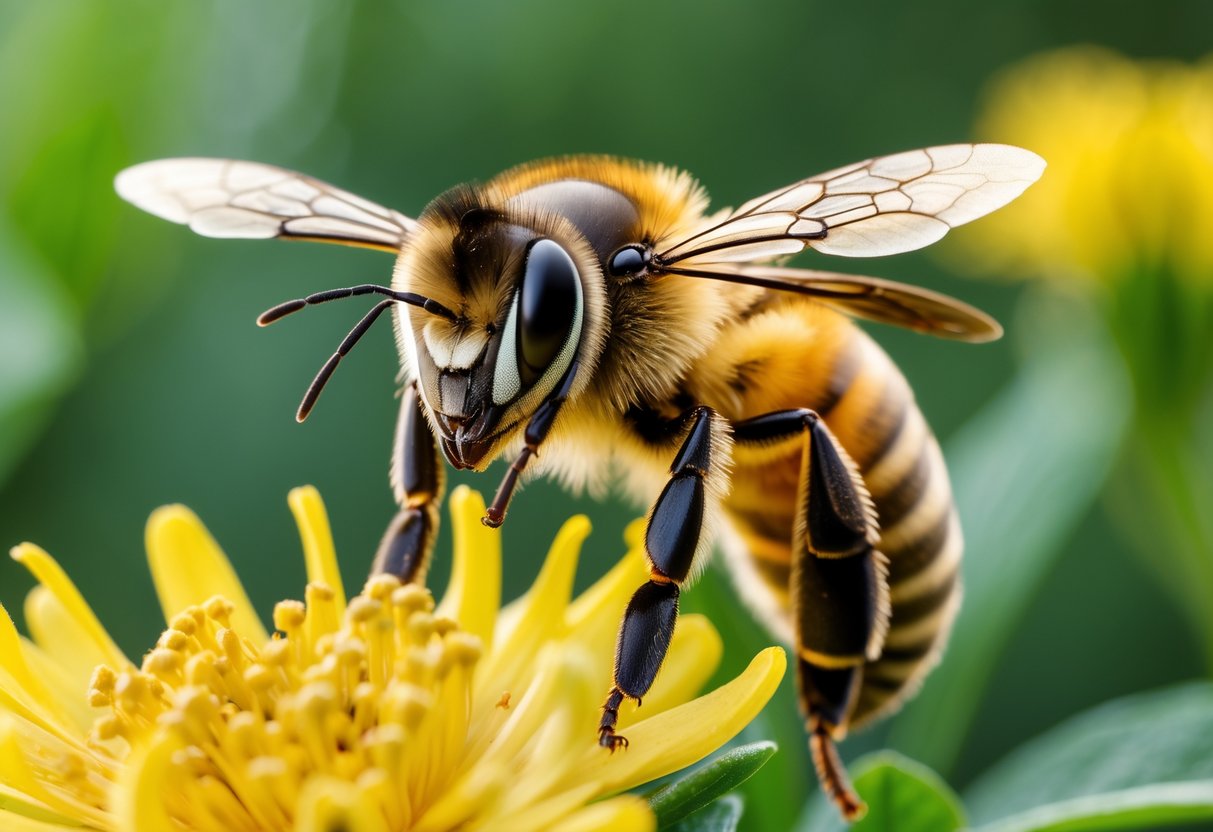
Bees sometimes get interested in perfume, scented lotion, or bright clothes you have on. Male carpenter bees especially tend to hover and “stare,” but they can’t even sting you.
If you understand what catches a bee’s attention, you’ll probably feel calmer and less annoyed when they buzz around.
You might find their behavior less annoying and more fascinating once you know why bees “watch” you. It’s really just their way of exploring and staying safe.
For more details, check out why bees stare at you.
Why Do Bees Stare at You?
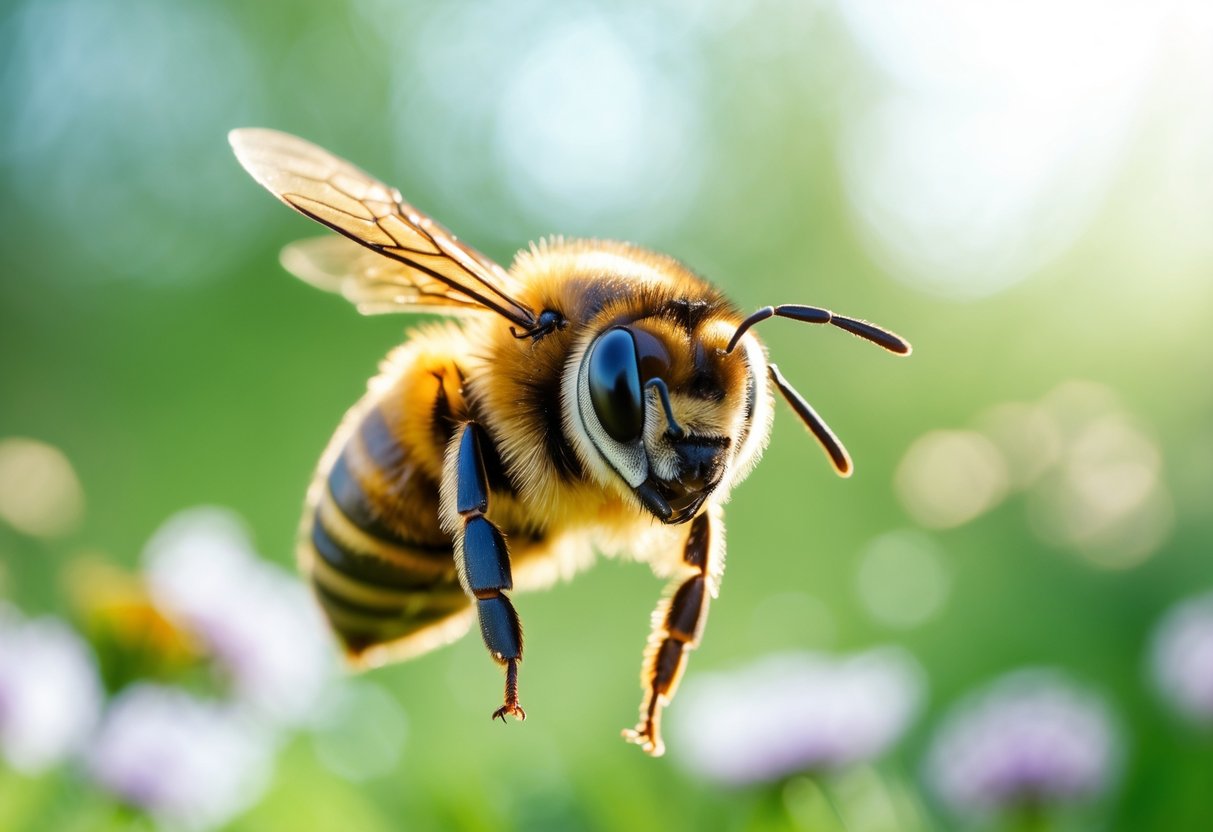
Bees hover and seem to stare for a few reasons. They might be curious, checking out your scents, or watching the colors you wear.
Sometimes, they’re just keeping an eye on their space or reacting to your movements.
Bee Curiosity and Inspection
Bees like honey bees, bumblebees, and sweat bees often look at you out of curiosity. They use their sharp vision and sense of smell to figure out what’s around them.
If you move or wear something bright or scented, you’ll grab their attention.
Some bees hover close to get a better look or smell your skin. They don’t mean to scare you—it’s just how they explore and figure out if you’re a threat or maybe even a flower.
Bees may have simple minds, but their senses are sharp. Their “staring” helps them decide if they’re safe or if they should just fly off.
Carpenter bees sometimes hover longer, probably because they want to check out any interesting scents on you.
Territorial Behavior and Defense
Some bees act like little guards. Male carpenter bees, for example, hover around their territory and watch whatever comes close.
If you get near, they’ll stare to see what you’re up to.
Bumblebees and some sweat bees also keep an eye on anything new or fast-moving near their nests. Their stare is a warning, but if you don’t get closer or act threatening, they’ll usually leave you alone.
Territorial bees want to protect their food and homes. They use staring as a way to keep their area safe without attacking first.
So if a bee seems to stare, it’s probably just being careful and watching you to decide its next move.
Attraction to Movement and Color
Bees love things that look like flowers or move a lot. Bright clothes, shiny jewelry, and colorful prints can really catch their eye.
Sunscreens, perfumes, and scented lotions make you even more interesting to them.
When you move, a bee may hover and stare to figure out if you’re a flower or something else. Fast movements or flashy colors make them curious and eager to check you out.
Sweat bees, from the Halictidae family, are especially interested in sweat and skin scents. They like sodium and minerals, so they might stare because of that.
You can avoid their attention by wearing simple colors and skipping strong scents outdoors.
| Cause of Bee Staring | What Bees React To | How to Reduce Attention |
|---|---|---|
| Curiosity | Smells, movements | Stay calm, avoid quick moves |
| Territorial Defense | Your approach near nests | Keep distance, avoid nests |
| Attraction to Color | Bright colors, shiny items | Wear neutral colors, limit scents |
Key Factors That Make You Interesting to Bees
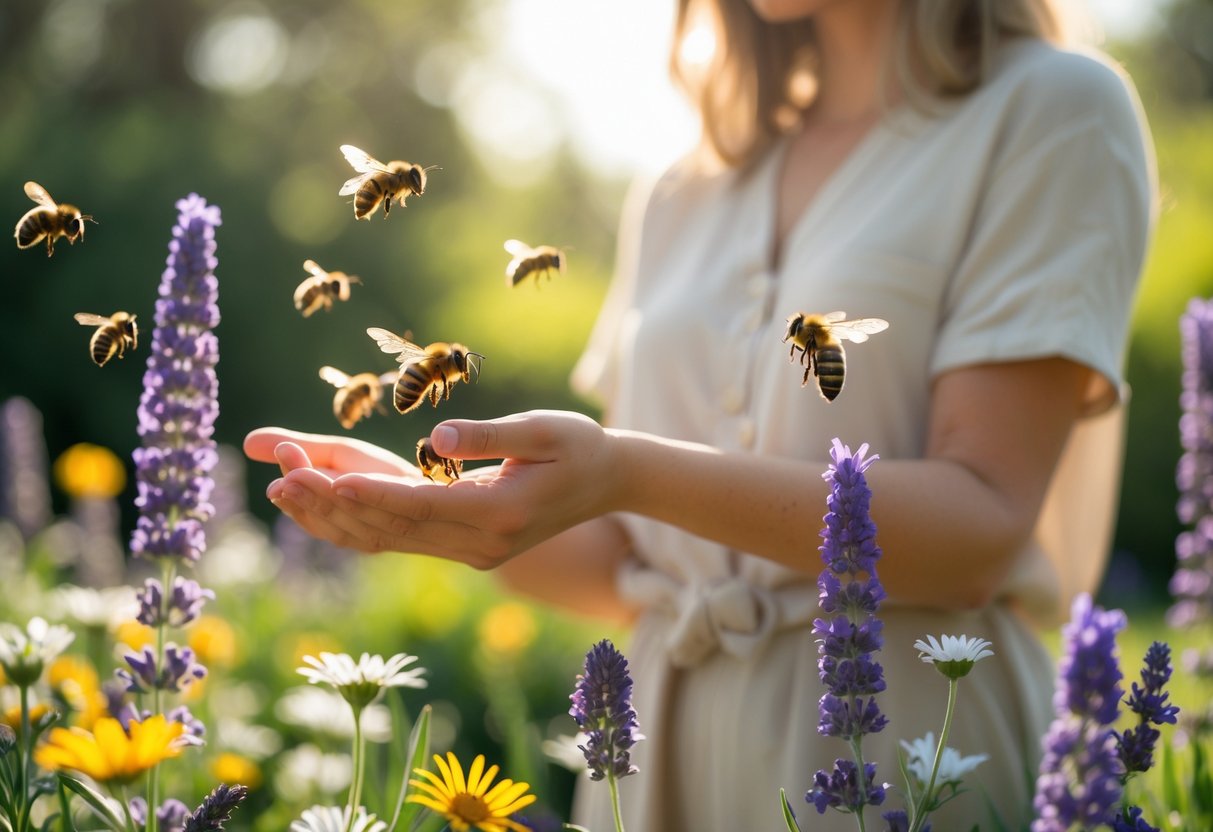
Bees notice some things about you more than others. The smells you wear, your sweat, what you eat, and even your clothing colors can all catch their attention.
Knowing what draws them in helps you understand why they hover or stare.
Sweet Scents and Scented Products
Bees go for sweet smells like nectar from flowers. If you’re wearing perfume, lotion, or shampoo with a flowery or fruity scent, you’re basically ringing a dinner bell for them.
Lots of scented products mimic the natural smells bees search for when they collect nectar and pollen.
Strong perfumes or scented lotions make bees think you might have food nearby. Sunscreen or shampoo with floral scents can make them follow you, thinking you’re a flower.
If you know this, you might feel less nervous when bees come close.
Perspiration and Sweat Bees
Your sweat can attract certain bees, especially sweat bees. They like the salts and moisture in your sweat.
On a hot day or after you exercise, bees may fly around you because they want the sweat on your skin.
Sweat bees are small and usually harmless. They won’t get aggressive unless you bother them.
If you notice more bees when you’re sweating, it’s just because you’re offering a natural mineral source.
Bright and Floral Clothing
Bees see colors differently than we do, but bright and floral patterns remind them of flowers. Wearing yellow, orange, or anything with a floral print can make bees curious.
They might hover or stare, thinking you’re a source of nectar.
Darker colors attract fewer bees. If you’d rather avoid their attention, go for solid, muted colors instead of busy, floral prints.
Human Foods That Attract Bees
Bees aren’t just into flowers—they’ll go after sweet foods you’re eating or drinking, too.
If you’ve got sugary drinks, candy, or fruit nearby, bees can pick up on that right away. They seem to have a sixth sense for anything sweet.
When you leave foods high in sugar or sweet juices out, bees will think they’ve found a nectar source. They’ll start buzzing around, curious and persistent.
If you want fewer bees hanging around, try to keep your food covered. Eating away from spots where bees are already active helps, too.
Honestly, just being a bit careful about what you eat or drink—and even the scents you wear—might save you a few close bee encounters.
Curious why bees sometimes just stare? Check out Why Do Bees Stare at You? Understanding Their Curious Behavior.


