
Ever wondered what really threatens honey bees the most? Sure, bears, hornets, and ants can cause problems, but honestly, the varroa mite is the top danger to honey bee populations. This little parasite feeds on bees and brings in diseases, which can wipe out entire colonies.
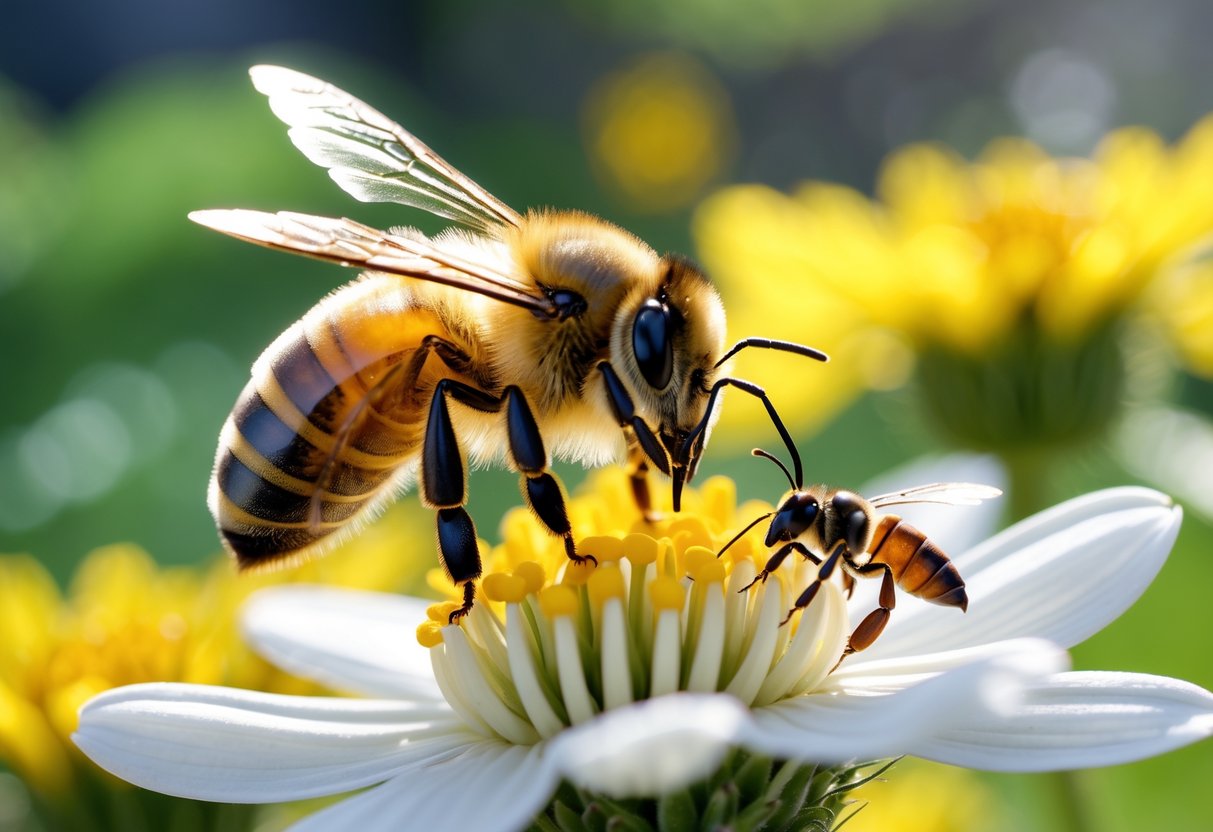
You probably won’t spot these mites easily, but their damage is massive. They go after bee larvae and pupae, making it tough for honey bee numbers to bounce back.
If you know what you’re up against, you’ll have a better shot at protecting your bees and supporting your local ecosystem.
Honey bees are crucial for pollination, so keeping them around matters more than you might think. Learning about varroa mites and other threats means you can help these little pollinators stick around.
If you’re curious, here’s more on the biggest threat to honey bees.
Varroa Mite: The Most Significant Enemy of Honey Bees

Varroa mites are tiny but brutal. They feed on bees and spread nasty diseases, which makes hives weak and vulnerable.
If you want healthy bees, you’ll need to keep these mites under control.
How Varroa Mites Affect Honey Bee Colonies
Varroa mites latch onto honey bees and suck out their fat body tissue. This drains the bees and wrecks their immune systems.
The mites also spread viruses and diseases that can wipe out entire colonies.
If you let the mites get out of hand, your bees might not make it, especially from late autumn through early spring. During these times, colonies slow down and can’t recover as easily.
You’ll see fewer worker bees in infested hives, and honey production can drop off. Honestly, this parasite is a huge reason why honey bee populations are crashing all over the world.
Detection and Signs of Infestation
You need to check your hives regularly if you want to catch mites early. Look for little reddish-brown dots on adult bees or inside brood cells.
Watch for bees with weird, crumpled wings or sluggish behavior. They might seem weaker than usual.
People use things like sugar shakes and sticky boards to count mites in a hive. These methods help you spot trouble before it gets out of control.
Catching mites early gives you a real chance to treat the hive and save your bees.
Control and Management Strategies
You’ll need a mix of strategies to fight Varroa mites. Chemical treatments, mechanical tricks, and natural options all play a part.
Be careful with chemicals—too much can hurt your bees or let the mites build resistance.
Try mechanical methods like removing drone brood since mites love those cells. Screened bottom boards help mites fall out of the hive, which is surprisingly effective.
Keep an eye on your hive and switch up your treatments sometimes. Integrated pest management (IPM) means you use different methods together, so you can protect your bees and avoid harming the environment.
If you want a deep dive, check out this overview of Varroa destructor.
Other Major Threats and Enemies to Honey Bees

Varroa mites aren’t the only problem for honey bees. There are plenty of other pests, predators, and environmental headaches out there.
You’ll need to keep an eye out for all sorts of threats that can mess with your hives.
Other Pests and Parasites of Honey Bees
Wax moths and small hive beetles are regular troublemakers in hives. Wax moth larvae chew through beeswax and ruin combs.
Small hive beetles lay eggs in the hive, and their larvae chow down on honey and pollen, causing a mess.
Diseases like European foulbrood and Nosema, thanks to bacteria and spores, can weaken young bees. Over time, these diseases make the whole hive less strong.
Africanized honey bees can also stir up trouble since they’re more aggressive and tough to handle.
You can put entrance reducers on your hives to shrink the opening. That makes it harder for pests and aggressive bees to get inside.
Predators in the Bee Yard
Lots of predators want what’s inside your hive. Bears are a big threat—they’ll tear up hives just for some honey.
Other critters like raccoons, skunks, and opossums might try to break in for a snack.
Insects like wasps, hornets, and ants also pose problems. Wasps and hornets often attack bees near the entrance or while they’re foraging.
Ants sneak in and steal honey, which can weaken the colony over time.
You can use fencing or barriers to keep out bigger animals. Keeping the area around your hive tidy and setting traps helps cut down on beetles and ants.
Environmental Challenges Impacting Bee Health
Pesticides really mess with your bees. When farmers spray chemicals on crops, those toxins can poison bees or just knock down their immune defenses.
Bees don’t just stick to your backyard—they wander for miles, so even a neighbor’s pesticide use can end up hurting your hive.
Lately, climate change has thrown a wrench into things. Wild swings in temperature, sudden droughts, or pounding rainstorms can wipe out the blossoms bees need.
People keep building houses or plowing up fields, and that eats away at the wild plants bees count on for food.
If you’ve got a hive, it actually helps to keep some natural habitat close by. Try planting a mix of flowers and skip the harsh chemicals—your bees will thank you, and honestly, your colony’s survival might depend on it.


