
Ever watched wasps buzzing around your patio and wondered if a bowl of vinegar could actually keep them away? Turns out, it can help—vinegar tends to repel wasps because they really don’t like the sharp smell or acidity. Just putting out a bowl of vinegar near where wasps hang out might make the spot less appealing for them.

But let’s be real—vinegar isn’t some kind of magic shield. It works best as part of a trap or spray rather than just leaving a bowl out in the open.
If you want to keep your backyard chill and mostly wasp-free, it helps to know how vinegar affects them. Stick around for easy ways to use vinegar so you can enjoy your space without uninvited winged guests.
How Vinegar Works to Repel and Get Rid of Wasps
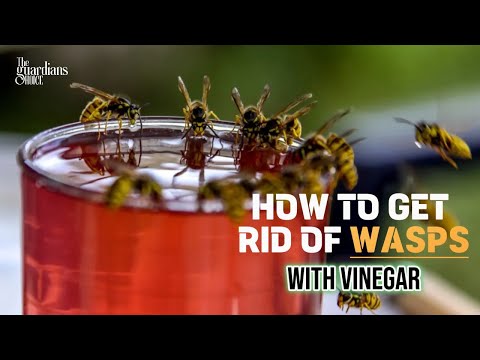
Vinegar’s strong smell and acidity bother wasps. If you pick the right kind, you can either drive them off or even kill them.
You should know how to use vinegar safely around your home, though. It’s not totally risk-free.
The Effect of Vinegar’s Smell and Acidity on Wasps
Wasps rely on their sharp sense of smell to find food and dodge danger. Vinegar’s pungent odor and acetic acid mess with their senses.
The acid in vinegar disrupts how wasps smell things. That makes them confused and uncomfortable, so they steer clear of spots with vinegar.
The sour scent masks smells that usually attract wasps. When you set out bowls or spray vinegar, you make the area less interesting to them.
If you hit wasps directly with vinegar, the acetic acid can hurt them, but mostly, vinegar just keeps them away.
Differences Between Apple Cider Vinegar and White Vinegar
You’ve got options: apple cider vinegar or white vinegar. They’re similar but not quite the same.
White vinegar (or white distilled vinegar) packs more acetic acid. It’s strong enough to repel wasps and, if you spray it right on them or their nest, it can kill them.
Apple cider vinegar smells a bit sweeter and milder. When you mix it with sugar, it attracts wasps to traps—then the vinegar and maybe a bit of soap finish the job.
Both can help, but people usually pick apple cider vinegar for traps and white vinegar for sprays.
Repelling Wasps Versus Killing Them
How you use vinegar changes what it does.
-
Repelling: Mix water and vinegar, then spray it around your yard or near nests. The smell alone keeps wasps at bay.
-
Killing: Spray vinegar right onto wasps or their nest, and the acid can break down their exoskeletons and kill them.
If you want to trap wasps, mix vinegar, sugar, and a little dish soap in a bowl. The sugar pulls them in, and the vinegar and soap trap or drown them.
Vinegar offers a less harsh alternative to pesticides, and it still works if you use it right.
Safety Considerations When Using Vinegar on Wasps
Even though vinegar is natural, it deserves some caution.
- Don’t spray vinegar on people, pets, or plants. It can irritate skin or damage leaves.
- If you’re spraying near a nest, do it early in the morning or late in the evening—wasps move slower then.
- Wear something protective if you get close to nests. Better safe than sorry.
- Vinegar won’t get rid of nests. If you have a big wasp problem, you’ll probably need a pro.
Using vinegar the right way cuts down on wasps without harsh chemicals. That keeps your space safer and more comfortable.
For more on how vinegar works for wasps, check out this vinegar trap guide.
Homemade Vinegar Solutions and Alternative Wasp Repellents

You probably have what you need at home—vinegar, sugar, and dish soap—to make simple wasp deterrents. These DIY tricks are easy to put together and adjust.
If vinegar doesn’t cut it for you, there are natural and commercial alternatives to try.
Making a Vinegar Wasp Trap in a Bowl
Start with about two cups of apple cider vinegar in a wide bowl. Wasps can’t resist the scent.
Add a bit of sugar to make it even more tempting. Wasps love sweet things.
Cover the bowl loosely with plastic wrap. Poke a few small holes in the plastic so wasps can get in but have trouble getting out.
Put the bowl outside near your patio or wherever wasps bother you. Swap out the vinegar mix every few days if it fills up.
This trap mimics the smell of food and skips the chemicals.
Using Dish Soap and Sugar in Vinegar Solutions
Want a homemade wasp killer? Mix vinegar, water, sugar, and a few drops of dish soap. The soap breaks the surface tension, so wasps sink and drown when they land.
Here’s a quick mix:
- 2 cups apple cider vinegar
- 1 cup water
- 2 tablespoons sugar
- 1 teaspoon dish soap
Stir it up and pour it into a shallow dish or spray bottle. Spray it right onto wasp nests or wherever they gather.
The dish soap makes this combo surprisingly effective and keeps things safe for your family.
This spray is easy to use again and again until the wasps finally get the hint.
Effective Application Tips for Vinegar-Based Repellents
Spray or set out vinegar solutions in the early morning or late evening. Wasps chill out more at those times.
Skip spraying during the hottest part of the day. The sun makes vinegar evaporate fast and can stress your plants.
Cover your food and drinks outside—wasps love sweets. Place traps or sprays near nests or where wasps show up most.
Refresh your vinegar mix every 3-4 days so it doesn’t lose its punch or turn into a mosquito nursery.
Set out bowls or bottles near doors or eating spots. That way, you can deal with wasps without hurting bees or other helpful bugs.
Natural and Commercial Alternatives to Vinegar
Peppermint oil works as a natural wasp repellent, and honestly, it smells much nicer than vinegar. Just mix a few drops with water and spray it around your doors and windows.
The strong scent tends to confuse wasps, making them less likely to hang around.
Some people swear by WD-40 as a wasp deterrent. You can spray it directly on wasp nests to make the wasps leave.
Just be careful with WD-40, since it contains chemicals that aren’t exactly friendly to the outdoors.
If you’ve tried homemade fixes and still see wasps, commercial wasp sprays might be your next move. These sprays usually kill wasps on contact and break down nests fast.
But keep in mind, they use harsher chemicals, so always read and follow the safety instructions before using them.
You can mix things up by combining homemade vinegar traps with other natural repellents, or just go for commercial sprays if you want quicker results.


