
Thinking about adding a bee hotel to your garden? It’s a lovely idea, honestly, and can give solitary bees a safe spot to nest. But, let’s be real, not every bee hotel works out perfectly. Sometimes, they actually make things tougher for the bees you’re trying to help.
Two big issues? Poorly maintained hotels attract parasites, and there’s a risk of spreading disease among bee populations.
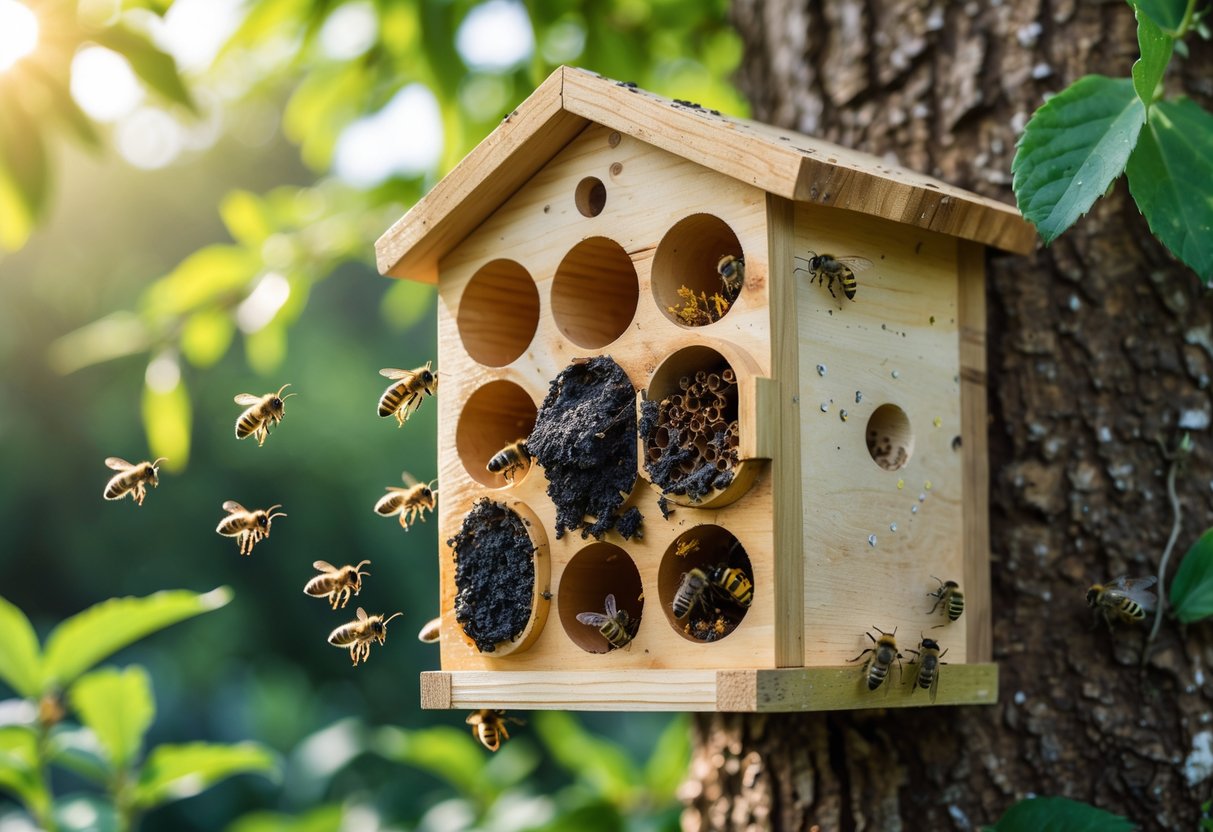
Parasites often move into these nesting sites, harming native solitary bees instead of helping them. And when too many bees gather in one spot, diseases spread more easily, which can shrink their numbers over time.
It helps to know about these potential problems before you jump in. If you want to support bees without causing harm, you’ll need to think about these risks before you build or buy a bee hotel.
Key Problems With Bee Hotels
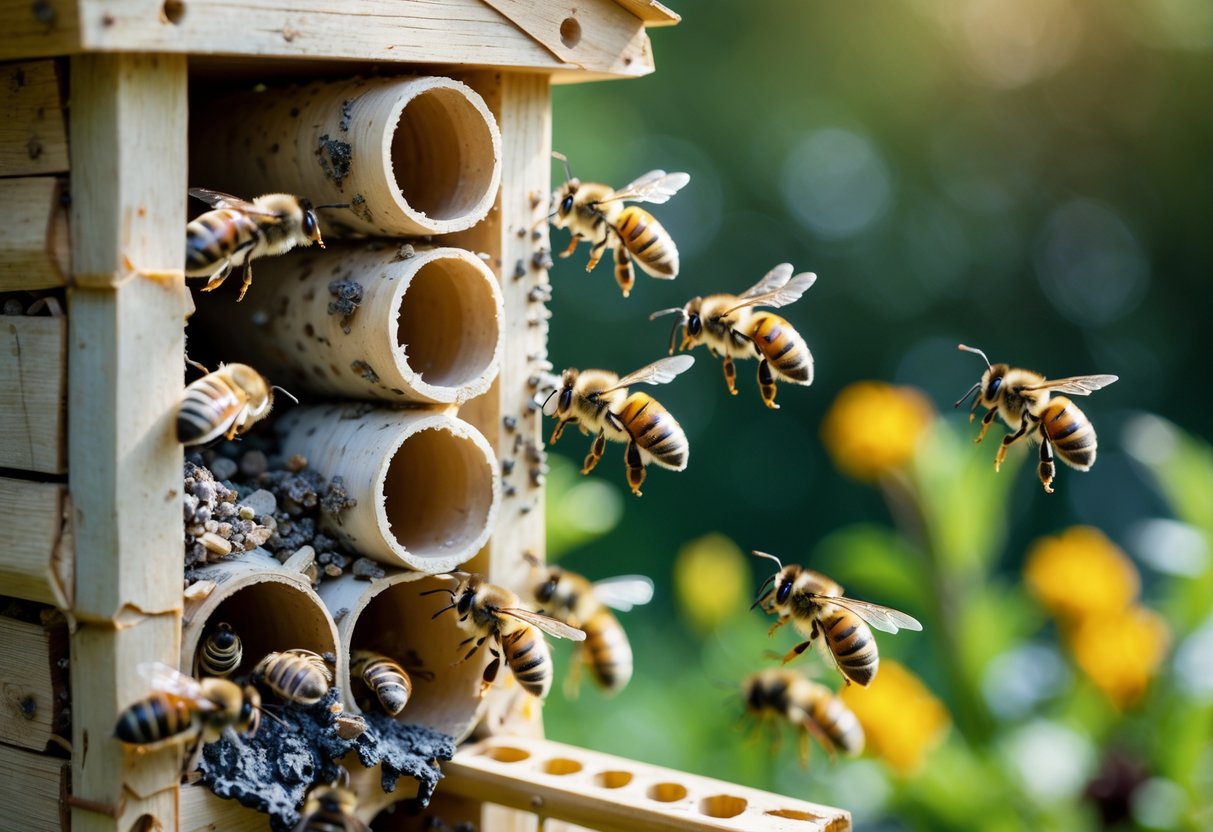
Bee hotels can give wild bees shelter, but they also come with risks you shouldn’t ignore. Some problems hurt the health of the solitary bees living there, while others can change how well these hotels support your local pollinators.
Increased Risk of Parasites and Pathogens
When you set up a bee hotel, you create a small space where parasites and diseases can spread fast. Parasites invade nests and harm or even kill solitary bees.
Skip regular cleaning or maintenance, and you’ll probably see harmful fungi and mold growing inside the tubes.
These conditions let pests multiply quickly in the crowded hotel rooms. You should keep an eye out for disease and clean your bee hotel often to keep it healthy.
This risk really challenges anyone hoping to support wild bees with these homes.
Attraction of Bee Predators
Bee hotels sometimes attract predators like wasps or ants that hunt solitary bees. These predators attack the bees or take over their nests, which makes your hotel less useful.
If you put the hotel where predators hang out, the risk gets worse. Over time, you might notice fewer bees using the hotel if predators keep bothering them.
Try setting your bee hotel in a quiet, safe spot away from spots where predators gather.
Favoring Non-Native and Introduced Species
Sometimes, bee hotels pull in non-native bees instead of your local wild pollinators. These introduced species crowd out native bees and use up space and resources.
That can lower the diversity of pollinators in your garden. Non-native bees might not help your local plants much and could even bring new diseases.
When you install a bee hotel, use materials and tube sizes that match the native species in your area. That way, you encourage the right bees to settle in and help protect your local populations.
For more on these issues, check out the discussion about parasites and predators in What’s the Buzz About Bee Hotels and Bug Condos?
Bee Hotel Alternatives and Best Practices
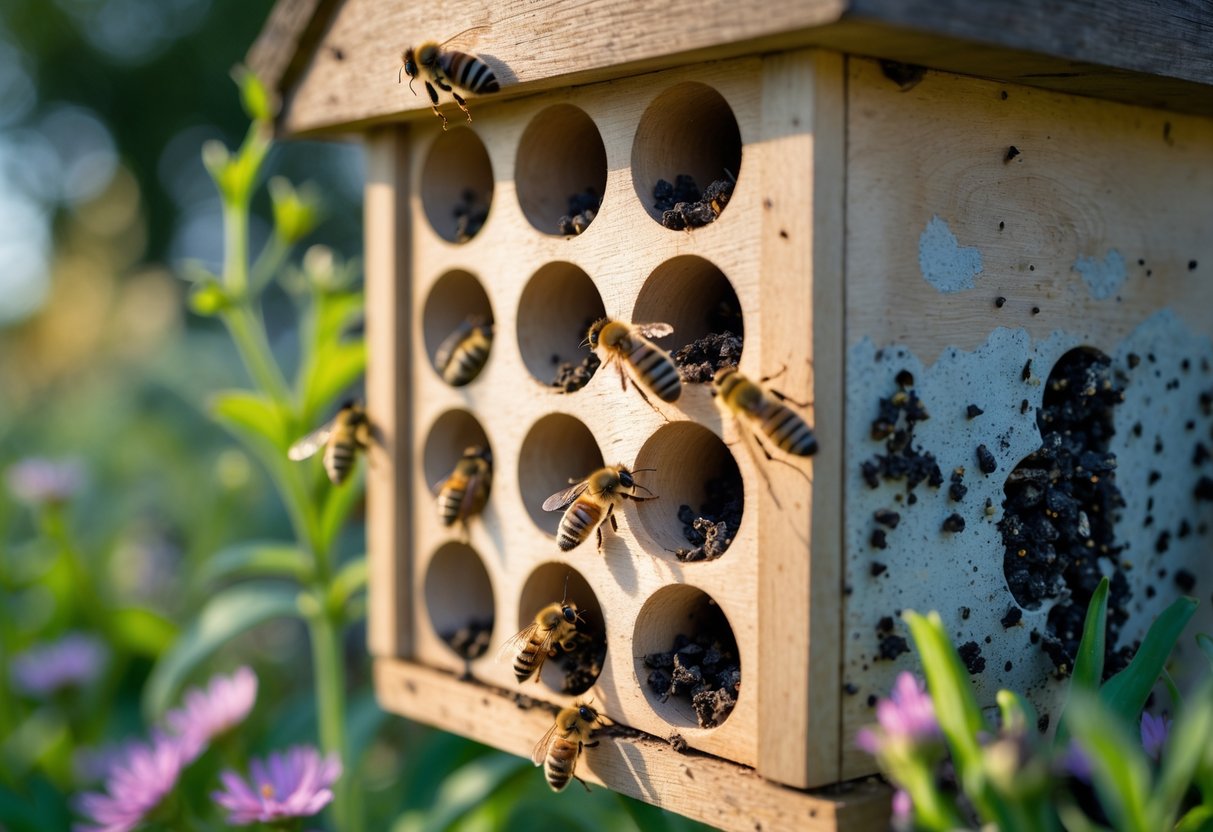
You can help bees by offering both natural and managed nesting options. Picking the right nesting spots and keeping them clean makes your efforts more effective.
This keeps bees healthier and supports more species.
Providing Natural Nesting Sites
Leaving natural nesting spots in your garden is one of the best ways to help bees. Try keeping patches of bare soil or letting old plants with hollow stems stick around.
Hollow stems work great for mason bees and other solitary species since they feel like home.
Try not to clear away all dead wood or cut down too many plants in fall and winter. That gives bees safe places to nest during the colder months.
You might even spot native bees using cracks in wood, soil banks, or small tree holes to raise their young.
By focusing on these natural homes, you make your garden more welcoming to different kinds of bees than a typical bee hotel ever could. Plus, you lower the risk of disease or pests building up in artificial boxes.
Supporting Ground Nesting Bees
A lot of bees, like mining bees, nest underground. Leave some open, sunny soil areas free from mulch or heavy plants.
These spots should be dry, well-drained, and have loose soil so bees can dig tunnels easily.
If you want to help ground nesters, avoid disturbing the soil during their nesting season, usually spring through summer.
You can also make small banks or slopes to give bees better shelter and warmth.
Keep heavy foot traffic and garden tools away from these spots to help bees keep their nests safe.
Many ground-nesting bees are excellent pollinators, so supporting them really benefits your garden’s plants.
Effective Bee Hotel Maintenance
If you’re thinking about setting up a bee hotel, it’s important to keep it clean and thoughtfully designed. Use tubes or holes between 2-10mm wide—most mason bees seem to prefer those sizes.
Skip the really big hotels. Packing too many bees together just spreads disease faster.
Once a year, take out old nesting materials. That way, parasites and mold won’t get a chance to take over.
Try placing your bee hotel somewhere dry and sunny, but with some protection from wind and rain. That little bit of shelter can make a big difference.
Check your hotel often for pests like wasps or ants. If you spot damaged parts, swap them out.
When you keep things clean and pay attention to where you put your bee hotel, you’ll actually help local bees instead of accidentally making things worse.
Curious about more tips or want to know about possible risks? Check out this page on bee hotel maintenance.


