
So, you’ve been stung by a bee. You probably expect the pain and swelling to fade pretty fast, right? But sometimes, the area around the sting actually gets worse a couple of days later.
Yes, a bee sting can get worse after 2 days, especially if you have a large local reaction. You might notice more redness, swelling, and discomfort for several days.
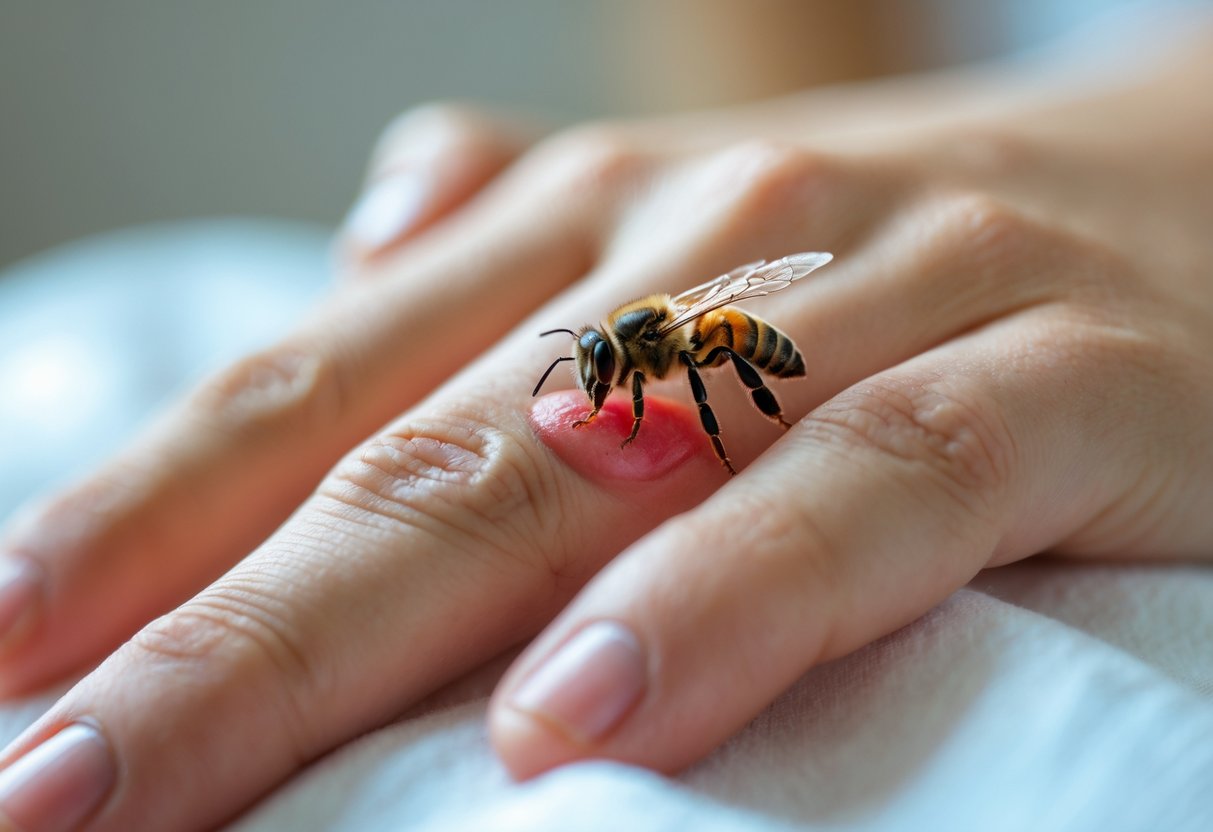
This kind of reaction feels stronger than a typical sting, but it usually stays limited to where you got stung. Swelling often peaks around the 48-hour mark, then starts to settle down over the next week.
Knowing what’s normal can help you stay calm and manage things a bit better.
Why Bee Sting Symptoms May Get Worse After 2 Days
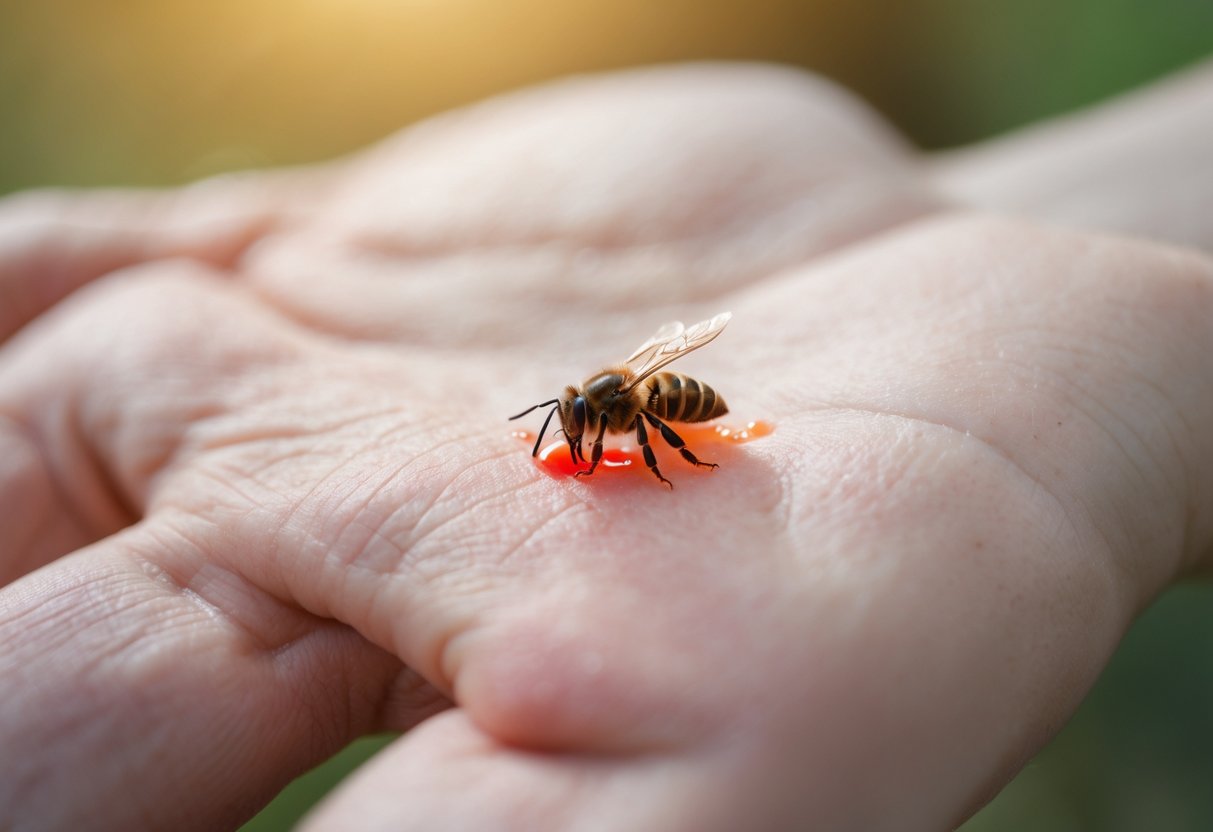
Sometimes, pain, swelling, or redness from a bee sting actually gets worse a day or two after you’re stung. That can happen for a few reasons—sometimes it’s just your body healing, but it could also mean something more serious.
It helps to know the signs so you can decide if you should see a doctor.
Normal Swelling and Redness Timeline
When a bee stings you, it injects venom that causes pain, redness, and swelling. Usually, these symptoms get worse over the next 24 to 48 hours.
That’s just your body reacting to the venom and trying to heal.
You might see the sting area look redder or puff up more the next day. That’s pretty common, and the swelling can stick around for up to a week.
Most of the time, pain or itching fades over a few days. Grab some ice or a pain reliever if you need to take the edge off.
Large Local Reactions and Delayed Symptoms
Some people react more strongly with what doctors call a large local reaction. Swelling and redness can spread beyond the sting and get bigger over the first couple of days.
Your immune system is really kicking in when this happens. The swelling might even reach four inches or more, and you could feel more itching or warmth in that spot.
This kind of reaction can last anywhere from 5 to 10 days before it finally goes away. It’s usually not dangerous, just really uncomfortable.
If you get stung several times, you might notice your reaction feels worse. Keep an eye on how things change.
Warning Signs of Severe Allergic Reactions
People with insect sting allergies can have a serious reaction called anaphylaxis. That can hit fast, but sometimes it’s a bit delayed.
Watch for things like trouble breathing, swelling in your face or throat, dizziness, or a racing heartbeat. If you notice these, you need emergency help.
Even if everything seems mild at first, don’t wait if these warning signs show up—get help right away, no matter how much time has passed.
If you’ve had a bad reaction before, keep your epinephrine injector close and use it if you need to. Always check in with your doctor after a serious bee sting reaction.
You can read more about swelling that shows up days later at bee sting swelling days later.
What To Do If Your Bee Sting Gets Worse
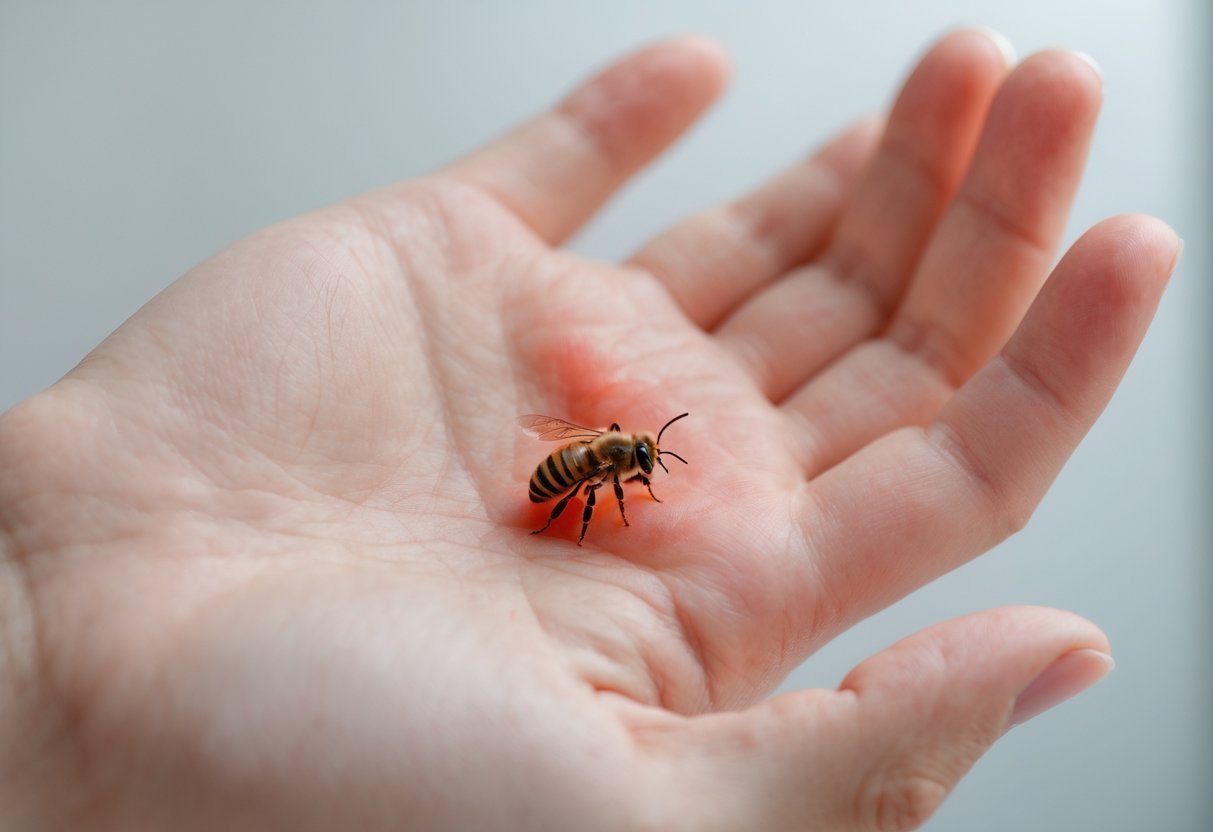
If your bee sting starts to swell or itch more than you’d expect after two days, don’t ignore it. You might want to try some home remedies, but sometimes things can get out of hand and you’ll need a doctor.
When to Seek Medical Help and High-Risk Cases
Get medical help right away if you notice trouble breathing, swelling spreading past the sting, or if you suddenly feel dizzy or weak. These could be signs of a severe allergic reaction.
If you know you have severe allergies or keep an EpiPen or Auvi-Q, use it right away if you feel a strong reaction coming on. Call emergency services after using epinephrine so you get the care you need.
If swelling or redness keeps growing fast or sticks around for more than a week, talk to a doctor. Folks with weak immune systems, asthma, or heart problems should be extra careful and reach out to a doctor if things get worse.
At-Home Treatments for Swelling and Itching
First, check if the stinger’s still in your skin and take it out if you find it. Grab a cold pack or just some ice in a cloth, and press it on the spot for about 10 to 15 minutes at a time.
You can reach for over-the-counter hydrocortisone cream or pop an antihistamine tablet to calm down the itch and swelling. Try not to scratch, even though it’s tempting—it really helps keep infection away.
Wash the sting area gently with mild soap and water. For pain, go ahead and take some ibuprofen or acetaminophen.
Rest up, and if you can, prop up the affected limb to help with swelling. If you notice the area getting hot, turning really red, or oozing pus, that’s your cue to see a doctor since it could be infected.


