
A delayed reaction to a wasp sting pops up when your body shows symptoms hours—or sometimes even days—after getting stung, instead of right away. You might notice swelling, itching, a rash, or even just plain fatigue showing up later, and these symptoms might spread beyond where the sting happened.
It helps to know about these delayed symptoms so you can keep an eye out and get the right care if things start acting up.
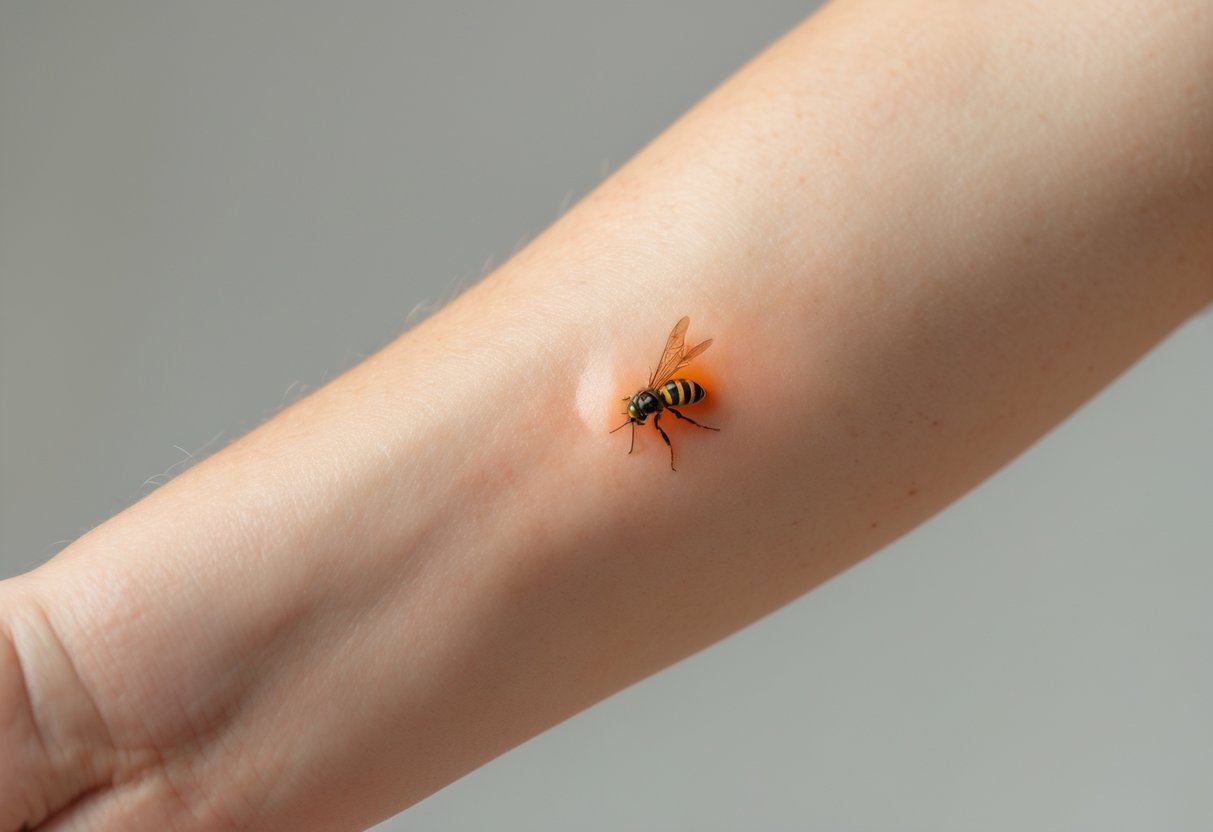
Most people expect wasp stings to cause instant pain and swelling, but sometimes the reaction sneaks up on you much later. If you know how delayed reactions work and what to watch out for, you’ll feel a lot more prepared.
Ever wondered why your sting symptoms didn’t show up until hours later? You’re definitely not alone.
Understanding Delayed Reactions to Wasp Stings

Delayed reactions to wasp stings don’t kick in right away. Instead, they can show up hours or even days after you get stung.
These symptoms can feel a lot different from the immediate pain you’d expect. Knowing what to look for helps you stay on top of things.
What Constitutes a Delayed Reaction?
A delayed reaction means your body takes its time before responding to the sting. The initial pain and swelling might go away, but new symptoms can pop up a few hours or even days later.
You might see swelling, redness, or itching come back or even get worse after the first day.
Sometimes, the area around the sting swells up a lot and stays painful longer than you’d think. That’s what doctors call a large local reaction.
In rare situations, you could get serum sickness. That’s when your immune system reacts to the venom in a delayed way, causing fever and joint pain—almost like the flu.
Your immune system basically keeps reacting to the wasp venom, but on its own schedule.
Common Symptoms and Signs
With a delayed reaction, you might notice your old sting symptoms returning, or new ones starting up later. Here’s what to watch for:
- Swelling that sticks around for several days
- Redness spreading out past the sting
- Itching or a rash that appears days after the sting
- Pain that gets worse after a few hours
- Fever, tiredness, or joint pain if serum sickness sets in
You could also spot hives or bumps on your skin, or just feel heat around the sting. Sometimes these symptoms are worse than a mild sting and can hang around for over a week.
Difference Between Immediate and Delayed Responses
Immediate reactions happen fast—within a few minutes or up to an hour after you get stung. You’ll feel pain, redness, and swelling right away.
Some folks even get anaphylaxis, which is a severe allergic reaction needing emergency treatment.
Delayed reactions, on the other hand, don’t show up until much later. They’re usually less dramatic but can drag on for days.
Your body releases histamine right away for immediate reactions, but delayed ones happen because your immune system keeps fighting the venom over time.
It’s important to spot the difference. Immediate stings need quick help, but delayed reactions still deserve attention if they stick around or get worse.
You can find more info about managing delayed wasp sting reactions at delayed wasp sting reaction information.
Types and Causes of Delayed Wasp Sting Reactions

Delayed wasp sting reactions can show up in different ways, and there’s more than one reason they happen. Sometimes you don’t notice anything until hours or days later.
Understanding what triggers these delayed responses makes it easier to spot and treat them.
Allergic and Large Local Reactions
Sometimes your body takes its time and reacts with an allergic response later on. Swelling, redness, and itching can get worse a day or two after the sting.
Doctors call this a large local reaction.
Your immune system reacts slowly to the venom, which can make things uncomfortable for a while. If you know you’re allergic to wasp stings, these delayed reactions might be stronger and last longer than usual.
Severe allergic reactions like anaphylaxis usually hit fast, but in rare cases, you might notice some symptoms lagging behind. If you have trouble breathing, swelling in new places, or dizziness, get emergency help right away.
Serum Sickness and Rare Complications
In rare cases, you might get serum sickness days or even weeks after a sting. That’s when your immune system reacts to venom proteins and causes fever, joint pain, rash, or swollen lymph nodes.
Getting stung by several wasps at once raises your risk because your body gets hit with more venom.
There’s another rare but serious problem called rhabdomyolysis, where muscle damage happens after lots of stings. That needs urgent medical care.
These complications don’t happen often, but if your symptoms keep getting worse or just won’t go away, it’s time to see a doctor.
Triggers and Risk Factors
A few things can make you more likely to have a delayed reaction after a wasp sting. If you’ve had allergic reactions before, or if you’ve been stung by multiple insects, your chances go up.
Some medical conditions or allergies to bees or hornets might also play a part. The amount of venom you get from a sting? That can change how your body reacts, too.
If you start to see swelling spreading far from where you were stung, or you notice hives or a scratchy throat days later, don’t ignore it. These could mean you’re having a delayed allergic reaction, and it’s probably time to get checked out.
Staying aware of these triggers can help you steer clear of serious issues and get treatment sooner rather than later.
For more details on delayed reactions after wasp stings, you can visit delayed wasp sting reaction resources.


