
Ever wondered what smell bees hate? The answer might surprise you.
Bees really dislike scents like cinnamon, peppermint oil, and artificial almond extract. These smells bother them so much that they’ll often avoid places where these scents linger.

You can use this trick to keep bees away from your home or garden—no harsh chemicals needed. Natural smells like garlic, lavender, and citronella also seem to drive bees off.
If you know which scents work, you can manage unwanted bees safely and stay calm.
Unpleasant Scents That Repel Bees
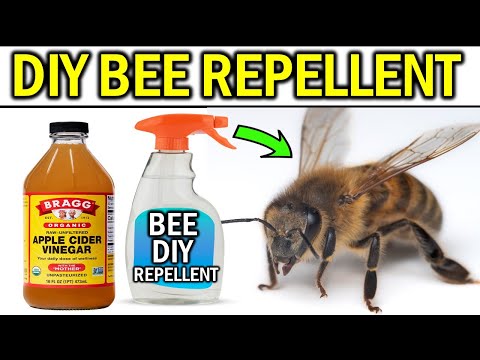
Certain strong smells will keep bees away without hurting them. You can grab some natural oils or grow plants with sharp, fresh scents to make a space that bees just don’t want to enter.
These odors mix easily with water or soil and work as gentle repellents.
Peppermint and Peppermint Oil
Peppermint gives off a strong, fresh scent that bees can’t stand. If you want to keep bees away from outdoor areas, just spray some peppermint oil around.
Mix 10-15 drops of peppermint oil with water and spray where bees are a problem. That’s it.
Peppermint oil also hides the smell of flowers, making it tough for bees to find nectar. If you’re hanging out by the patio or having a picnic, this trick might help.
Just keep in mind—the scent fades fast, so you’ll need to reapply the spray every day for the best results.
Mint Varieties
Not just peppermint—other types of mint like spearmint and wild mint can also keep bees at bay. Mint plants release oils that bees just don’t like.
If you plant mint in your garden, you might notice fewer bees hanging around. Try planting mint along walkways or near your outdoor seating.
The smell of mint is strong but most people find it pleasant, so it’s a win-win for keeping bees away without using harsh chemicals.
A heads-up: mint spreads fast, so you might want to use pots or keep it in controlled beds, unless you want a mint takeover.
Eucalyptus and Eucalyptus Oil
Eucalyptus has a sharp, almost medicinal smell that bees avoid. You can use eucalyptus oil in sprays or outdoor diffusers to create a kind of invisible barrier.
Mix eucalyptus oil with water for a simple bee deterrent spray. It’s easy to make.
If your climate allows, try growing eucalyptus trees. The leaves release natural oils that help repel bees and even other bugs.
The scent stays strong for quite a while, so it’s pretty practical for gardens and yards.
Garlic and Garlic Powder
Garlic gives off a strong, sulfur-like odor that bees really don’t like. Sprinkle garlic powder around plants or mix crushed garlic into the soil to keep bees away from the garden.
Garlic-based sprays also work—just dilute with water.
The smell is pretty strong for people too, so you might want to use it only where you really need it. If you want to keep bees away from certain plants or problem spots, garlic is a natural, affordable option worth trying.
How to Use Bee-Repelling Smells in Your Garden and Home
You can use certain smells to keep bees and wasps away without harming them. Try applying natural oils, planting specific herbs, or using sprays in places where you want to avoid these insects.
This way, you can enjoy your garden or eat outside with a little more peace of mind.
Natural Repellents for Outdoor Spaces
If you want to keep bees out of your yard, plant herbs like mint, basil, or marigold near your seating areas. These plants naturally give off scents that bees don’t like.
You can also use essential oils such as citronella, eucalyptus, peppermint, or lemongrass. Mix a few drops with water in a spray bottle and spray it around patios, doorways, or flowerbeds.
Make sure to reapply, especially after it rains.
Another tip: avoid strong sweet smells near your outdoor spots. Keep trash bins covered and clean up fallen fruit to help keep bees away.
Protecting Fruit Trees and Outdoor Dining Areas
Bees love fruit trees, but you can protect them by spraying a diluted mix of vinegar or essential oils on the leaves. This won’t hurt the tree, but it makes bees less likely to stick around.
For outdoor dining, set out small bowls of ground coffee, garlic cloves, or cinnamon sticks. These smells can help keep bees away from your food—no chemicals needed.
Always keep food covered and wipe up spills quickly. That way, you’ll cut down on sweet smells that attract bees and wasps, letting you relax a bit more outside.
Scents That Help Keep Wasps Away
Wasps really don’t like a lot of the same smells that bother bees. You can use this to your advantage and try out some strong scents like thyme, citronella, or eucalyptus to keep them away.
Try hanging up little sachets filled with dried mint or basil by your doors or in your garden. Wasps usually steer clear of those spots because of the smell.
If you’re hosting something outside, you might want to diffuse some essential oils or spray a peppermint oil and water mix around where people will sit. That usually cuts down on wasp activity and makes things a lot more pleasant.
Curious about more ways to use these scents? Check out this guide on scents that repel bees and wasps.


