
Ever watched a bumblebee buzzing through your garden and wondered if it might bite or sting you? Bumblebees can sting, but they usually won’t unless they feel threatened. They don’t bite people, though. Honestly, these fuzzy pollinators just want to collect nectar and mind their own business.

Only female bumblebees have stingers, and they use them to defend themselves or their nests. Bumblebees act pretty gentle and calm, so as long as you don’t bother them, you probably won’t get stung.
Understanding their behavior can help you relax around these important pollinators. If you’re curious about when and why bumblebees sting—or how to avoid it—read on.
You might be surprised by what you learn about these garden helpers. For more details, check out this article on bumblebee stings.
Can Bumble Bees Bite or Sting You?
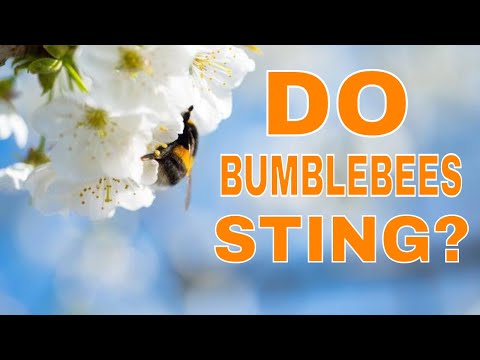
Bumblebees use their stings mostly for self-defense. They don’t go around biting people.
Sometimes, they use their jaws to gather nectar or fix their nests, but that’s not really biting in the way we think of it. Understanding the difference between biting and stinging can help you stay safe and maybe even appreciate them a little more.
Difference Between Biting and Stinging
Bumblebees use their mouths to bite, but only when they’re collecting nectar or chewing on flowers. This bite feels gentle—if you even notice it at all.
It’s not meant to hurt you. Maybe it feels like a tiny pinch, but that’s about it.
Stinging is a different story. Bumblebees will only sting if they feel threatened.
Unlike honeybees, they have smooth stingers, so they can sting you more than once and survive. The sting releases venom, which causes pain and swelling—kind of like a mosquito bite, but usually a bit more intense.
Some folks might have allergic reactions, but most of us just get mild irritation.
Who Can Sting: Female vs Male Bumble Bees
Only female bumblebees can sting. Their stinger is actually a modified part of their egg-laying body.
Male bumblebees don’t have this, so they can’t sting at all. Females use their stingers to defend themselves or their nests if they feel alarmed.
If you spot a male bumblebee, you don’t need to worry—it won’t sting. For more info, check out Bumble Bee FAQ – Bumble Bees of Wisconsin.
Bumble Bee Stings: What to Know

Bumble bees can sting more than once because their stingers don’t get stuck in your skin. They usually sting as a reaction to feeling threatened, especially if you get too close to their nest.
Why and When Bumble Bees Sting
Bumble bees sting mainly to protect themselves or their nests. If you step on one or mess with their home, they might sting to defend themselves.
Their stingers are smooth, which means they can sting multiple times and not die. Usually, they only sting when they feel threatened.
It’s best to move calmly and avoid sudden movements when you’re around them. If a bumblebee comes near you, it’s probably not interested in stinging.
They’d rather just fly away unless you provoke them.
Do Bumblebee Stings Hurt?
Bumblebee stings hurt, but most people say it’s similar to a wasp sting. The pain lasts a few minutes, then you’ll probably see some redness and swelling.
How much it hurts really depends on your skin and how sensitive you are. Some people barely feel it, while others find it more uncomfortable.
The stinger is smooth, so it doesn’t get stuck, and the pain comes from the venom. If you’re not allergic, the pain fades pretty quickly and you can treat it at home with ice or basic first aid.
What Happens After a Bumble Bee Stings You?
When a bumble bee stings you, you’ll probably see some swelling, redness, and maybe a little itching around the spot. These things usually stick around for a few hours, sometimes up to a day.
Bumble bees actually keep their stinger, so you won’t find one stuck in your skin. That’s not like honeybees, which leave their stinger behind and keep pumping in venom even after they fly off.
Watch out for any signs of an allergic reaction. If you notice trouble breathing, swelling in your face or throat, dizziness, or chest pain, you really need to get emergency help fast.
For most people, just wash the area, put on a cold pack, and maybe take an antihistamine if you want to cut down on the itching or swelling.


