
Ever wondered if bees can actually talk to us? Sure, they don’t chat with words or sounds we’d recognize, but they definitely send out signals you can pick up on. These come through little movements, buzzing tones, and even chemical messages—sort of like their own secret code about how they feel or what’s going on.
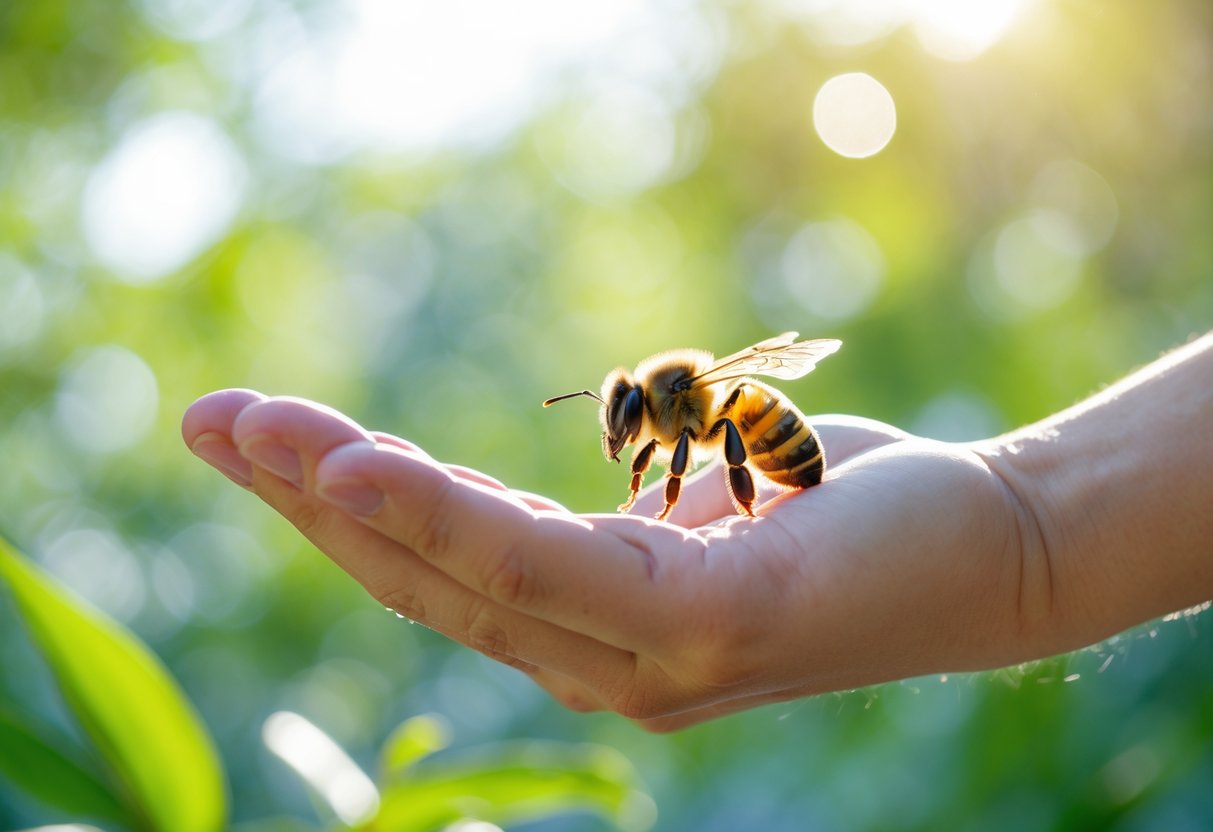
Once you start noticing these signs, you might catch yourself feeling more connected to bees than you expected. Understanding how they communicate suddenly makes them feel less like random insects and more like intriguing neighbors with their own language.
Watching or working with bees gets a lot more interesting when you know what to look for.
Curious about how bees try to reach out or what you can pick up from their behavior? Stick around. Their subtle messages are everywhere, woven into the busy life of the hive.
How Bees Communicate With Humans

Bees don’t “speak” in the human sense, but they give off signals you can notice if you’re paying attention. You’ll see it in their behaviors, hear it in their sounds, and—if you could—sense it in their chemicals. Noticing these clues brings you a step closer to understanding them.
Direct Interactions Between Bees and People
When bees get close, they use buzzing and body language to show how they feel. If you hear a louder or quicker buzz, they’re probably on edge or feeling threatened.
They also release pheromones, which are chemical messages we can’t smell, but other bees sure can. These chemicals signal danger or help mark out important spots.
If you move calmly and avoid sudden gestures, bees usually relax. Their buzzing softens, and the whole vibe feels less tense.
Notice how your actions change their reactions. It’s almost like a conversation, just without words.
Bee Behavior in Response to Human Presence
Most of the time, bees ignore you unless you mess with their hive. They’re busy: collecting nectar, tending to the hive, doing their thing.
But if you get too close or make a racket, bees might get defensive. They’ll buzz louder and sometimes fly in ways that seem meant to warn you off.
You might spot more frantic movement or hear an uptick in buzzing if they feel disturbed. It’s a good heads-up to back off and give them space.
Recognizing and Interpreting Bee Signals
You can actually start to “read” bees if you watch and listen. For example:
- Waggle dance: When a bee moves in a figure-eight, it’s showing others where to find flowers.
- Buzzing tone: A gentle buzz means calm, but a sharp, loud buzz? That’s a warning.
- Pheromone signals: Bees use invisible chemicals to talk about food or threats.
By picking up on these cues, you get a glimpse of what bees need or how they feel. It’s a fun way to connect, even if you’re not speaking their language.
If you want more details, check out irescuebees.com or beekeepercorner.com for deeper dives into bee communication.
Bee Communication Methods and Human Understanding

Inside the hive, bees share information in clear and fascinating ways. You can learn a ton just by watching how they move or what they do when they sense certain chemicals.
These methods help bees find food, warn each other, and keep everything running smoothly.
Dance Language and Pheromone Communication
It might surprise you, but bees actually use a special dance—the waggle dance—to point out where flowers are. The angle and length of the waggle tell others the direction and distance. It’s like a living map, spelled out in movement.
Along with dancing, bees use pheromones, which are chemicals that send all kinds of signals. These can warn about danger, mark territory, or attract other bees.
A queen bee’s pheromone, for example, keeps the hive calm and organized. You can’t hear or smell these messages, but watching their dances and actions gives you a peek into their world.
Bee Body Language and Social Cues
Bees use body language all the time to get their point across. You might spot them touching antennae or flicking their wings—tiny moves, but they mean a lot.
These actions can show if a bee feels ready to work or senses danger nearby. It’s kind of wild how much they say with just a twitch or a tap.
Social cues keep the whole hive running smoothly. Bees react fast to each other’s signals, and that teamwork? It’s honestly impressive.
If you hang around a hive and really pay attention, you’ll start to pick up on some of these signs yourself.
Want to dive deeper into how bees use movement and signals to talk? Take a look at this: Language of Bees: Understanding the Communication System of Honeybees.


