
If a bee stings you and you don’t get the venom out quickly, the stinger keeps pumping poison right into your skin. You’ll probably notice more pain, swelling, and a higher chance of an allergic reaction or even infection. Letting the stinger sit just makes these effects worse.
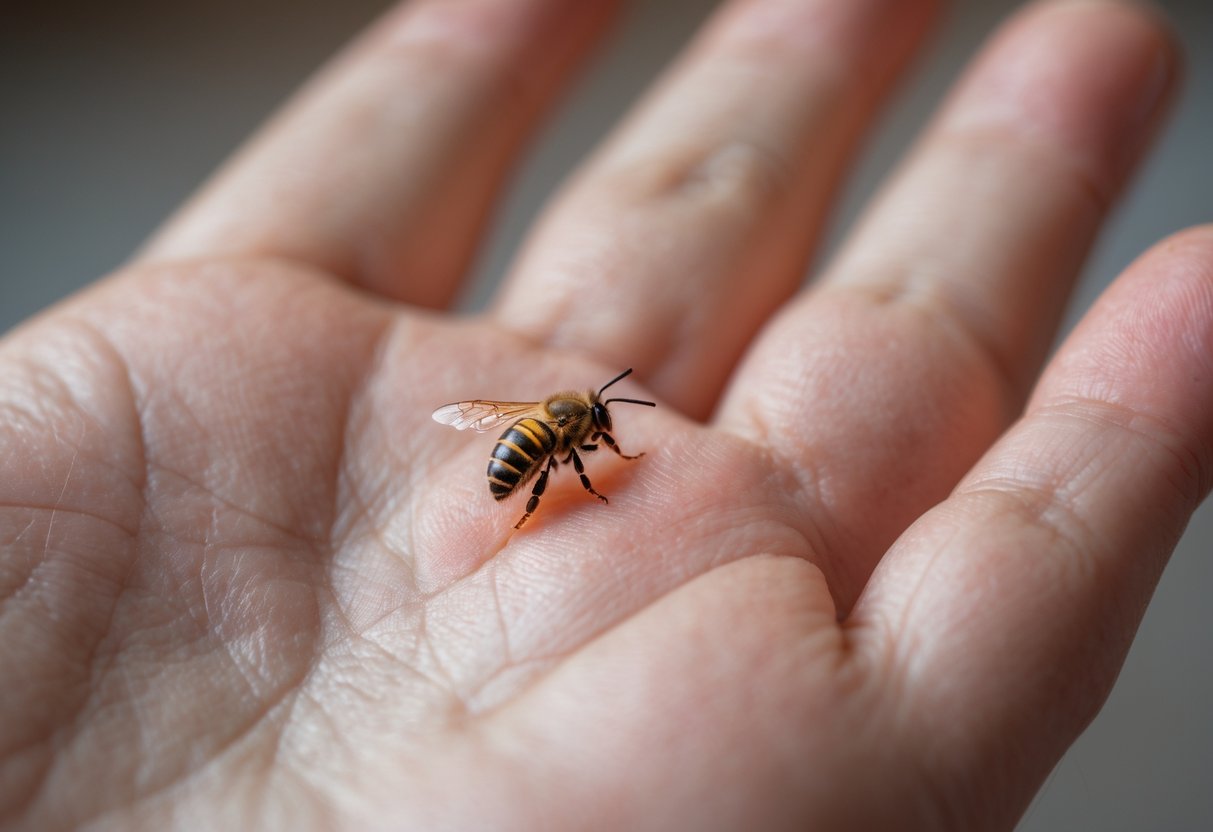
You might think waiting a minute or two doesn’t matter, but honestly, it does. Every second counts.
If you yank the stinger out fast, you limit how much venom gets in, which usually means less discomfort and fewer problems. Knowing what to do right away can really make a difference.
What Happens If You Don’t Get the Venom Out of a Bee Sting?
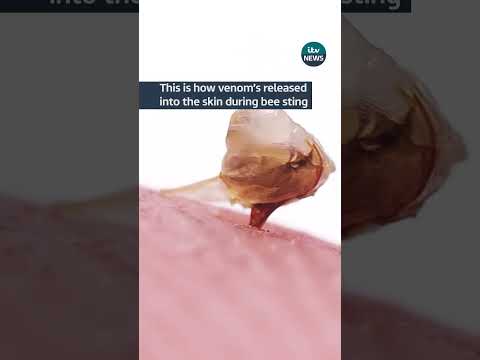
When a bee stings you, it often leaves the stinger in your skin. That stinger keeps releasing venom.
This ongoing release can make pain and swelling worse, and sometimes things get even more serious, like infections. If you pull the stinger out quickly, you lower these risks.
Ongoing Release of Bee Venom
A bee’s stinger comes with a venom sac that keeps pumping venom in, even after the bee takes off. This can go on for several minutes and keeps the area irritated.
The longer that stinger sits in your skin, the more venom gets inside, so things just get more uncomfortable.
As the venom spreads, you might see more redness and swelling around the sting. The stuff in the venom causes pain and inflammation, which is why it feels so bad.
If you get the stinger out fast, you limit the venom’s effect.
Intensified Pain and Swelling
If you leave the stinger, pain and swelling tend to get worse. Bee venom has chemicals that really irritate your skin and tissue.
You’ll probably see swelling, redness, and that sore tenderness around the sting. Sometimes it itches or feels hot, too.
These symptoms can last for hours or even days if the venom keeps spreading. It’s just easier to deal with the pain if you get the stinger out early.
Increased Risk of Infection
A stinger left in your skin can let bacteria in. That bumps up the risk of infection.
Watch for signs like more redness, warmth, pus, or a painful bump that grows. If you notice these, it could mean you’ve got an infection.
Sometimes infections need antibiotics to heal up, so don’t ignore them. Cleaning the area and getting the stinger out right away really helps.
If you see any changes that worry you, consider checking with a doctor.
For more details on what can happen if you leave the sting, see what happens if you don’t get the venom out of a bee sting.
Allergic Reactions and Complications
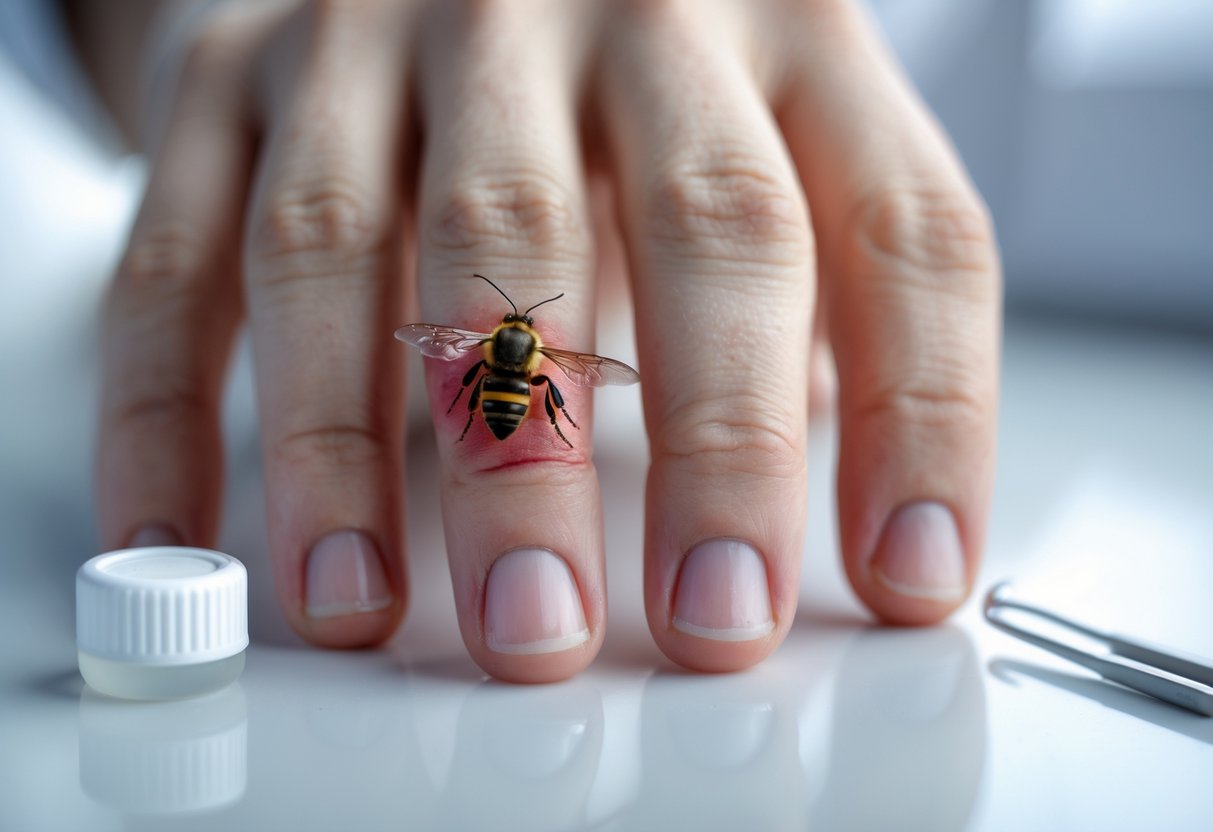
If the stinger stays in your skin, it keeps releasing venom. That can lead to more than just pain and swelling.
Sometimes, the venom can trigger allergic reactions, and some of those need quick attention. It’s good to know what to watch for if your body reacts badly.
Development of Bee Sting Allergy
Maybe you’re not allergic the first time you get stung. But if you get stung a few times, your body can start to develop an allergy.
Your immune system might overreact to the venom. Symptoms can show up as bigger swelling, more redness, or itching that sticks around.
A few people break out in hives or feel weak and tired after a sting. If you start noticing these reactions, you could be at risk for worse ones down the line.
If you get stung again, your allergy could get more serious. That’s why it’s important to pay attention to how your body reacts.
If you see new or severe symptoms, it’s smart to talk to a doctor about allergy testing and treatment.
Warning Signs of Anaphylaxis
Anaphylaxis is a really severe allergic reaction. It needs emergency care because it can be life-threatening.
If you get anaphylaxis after a bee sting, you might feel your throat tighten or have trouble breathing. Other signs include swelling of your face or tongue, dizziness, or a racing heartbeat.
You could feel very weak or even faint. These symptoms usually come on fast, sometimes just minutes after the sting.
If you notice any of these, use an epinephrine auto-injector if you’ve got one, and call emergency services right away. Taking action quickly really can save your life.
Long-Term Effects and Chronic Symptoms
If you don’t treat your bee sting allergy, getting stung again can lead to some persistent issues. You might notice allergic reactions popping up more often, or maybe you’ll see stubborn redness or swelling that just won’t quit.
Once in a while, someone ends up with symptoms that hang around for days—or even weeks. Think joint pain, a lingering fever, or just feeling wiped out all the time. Doctors call this a chronic reaction, and honestly, it’s something you shouldn’t try to handle alone.
Try to get the stinger out as soon as you can, and keep an eye on how you’re feeling. If you’ve already had a bad reaction before, it’s smart to talk with your doctor and come up with a plan for next time.
For more info on bee sting allergic reactions and treatment, you can check out tips on managing risks and spotting symptoms early.


