
If you want more bees in your garden, figuring out what they like to eat is a solid first step. Bees mostly go for flowers because they offer nectar and pollen—pretty much bee fuel, right?
Flowers that crank out loads of sweet nectar and pollen top the list for attracting bees.

You might not expect it, but fruits, veggies, and even some nut trees bring in bees when they flower. Letting your yard get a little wild with native plants, or tossing in some sunflowers or wildflowers, can turn your space into a bee magnet.
Bees also need water and a bit of shelter if you want them to stick around. If you’re hoping to help pollinators thrive, knowing what attracts them is a great place to start.
Learn more about the foods bees love by checking out what foods are most appealing to bees.
The Most Attractive Foods for Bees
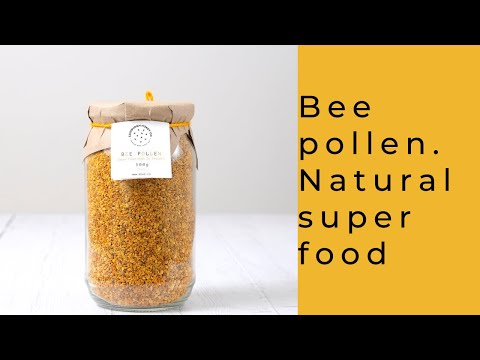
Bees go for foods that give them both energy and nutrients. You can help them stay healthy by planting flowers and plants that offer nectar for energy and pollen for protein.
Certain trees and herbs also keep bees fed all year long.
Role of Nectar and Pollen in Bee Nutrition
Nectar gives bees the energy they need to buzz around. Flowers make this sweet liquid, and bees collect it to turn into honey.
Pollen is packed with protein and nutrients that bees need to grow and stay strong. Worker bees gather pollen and carry it home in little “baskets” on their legs.
Young bees and larvae especially depend on pollen.
When you plant flowers with lots of nectar and pollen, you help keep bees busy and their colonies thriving.
You can dig deeper into why nectar and pollen matter for bees in this guide on objects that attract The Most Attractive Foods for Bees.
Bee-Favorite Flowers and Plants
Some flowers just seem to be bee favorites. Sunflowers are a hit—they pump out plenty of pollen and nectar.
Clover is another winner, blooming in late spring and summer so bees can count on it for a while.
Bee balm and coneflowers get noticed too, thanks to their bold colors and easy-access nectar.
If you plant a mix of flowers that bloom at different times, bees will always find something to eat.
Native plants often have the right balance of nectar and pollen that bees like best.
Fruit Trees and Blossoms Loved by Bees
Fruit trees are perfect for feeding bees, especially in spring when their blossoms show up. Plum trees in particular offer lots of nectar and pollen, attracting plenty of honeybees.
Citrus trees—think oranges and lemons—also give bees a solid food source when they bloom.
These blossoms help bees bounce back after winter. If you’ve got the space, a few fruit trees can really boost local bee populations.
Herbs and Other Bee-Friendly Plants
Some herbs are real bee magnets. Lavender, mint, rosemary, and thyme all put out nectar that bees can’t seem to resist.
These herbs bloom for a long time and give bees steady food.
They’re simple to grow and work in garden beds or pots. The strong scents from these herbs pull bees in from far away.
Plus, they make your garden smell amazing.
Adding herbs, flowering veggies, and native plants turns your garden into a regular stop for hungry bees. Check out how herbs help bees at irescuebees.com.
Key Factors Influencing Bee Attraction to Food Sources

Bees search for food that keeps them strong and their hives healthy. A few things shape their choices, like the food’s nutrients, how it looks and smells, and how pollination fits into the picture.
Nutritional Components: Protein, Sugars, Vitamins, and Minerals
Bees need a balanced diet to stay healthy. Sugar from nectar gives them energy.
They carry nectar back to the hive in their honey stomachs and turn it into honey.
Pollen gives them protein, which helps them grow and fight off disease.
Vitamins and minerals in pollen boost their overall health and stamina.
If bees don’t get enough nutrients, their colonies can weaken fast.
You can help by planting flowers that are rich in nectar and pollen.
Color, Scent, and Shape Preferences
Bees love bright colors like blue, yellow, and violet. These colors help them spot food.
They also like certain flower shapes—tubular or bell-shaped blooms fit their bodies well.
Scent matters a lot too. Sweet, strong smells help bees find flowers, even from far away.
You’ll probably see bees buzzing around mint, lavender, and salvia because of their colors and scents.
If you fill your garden with these traits, you’ll attract more bees and give them what they need.
Impact of Pollinators and Pollination on Food Choices
Bees play a huge role as pollinators. They help plants reproduce just by moving pollen from one flower to another.
You’ll notice bees often choose crops like fruits, vegetables, and oilseeds. These plants depend on bees to produce more—and better—fruit.
Bees tend to go for flowers that offer decent rewards, like lots of nectar or pollen. It makes sense, right?
When bees pollinate, farmers get higher yields and better quality food. Supporting pollinators actually boosts your local ecosystem by keeping plant life thriving.
Curious about bees in farming? Check out Bees and Agriculture: A Critical Symbiotic Relationship.


