
Bees don’t usually sting out of nowhere. Most of the time, they give you a heads-up—maybe by buzzing a little too close or even bumping into you. It’s like their way of saying, “Hey, back off, please.”
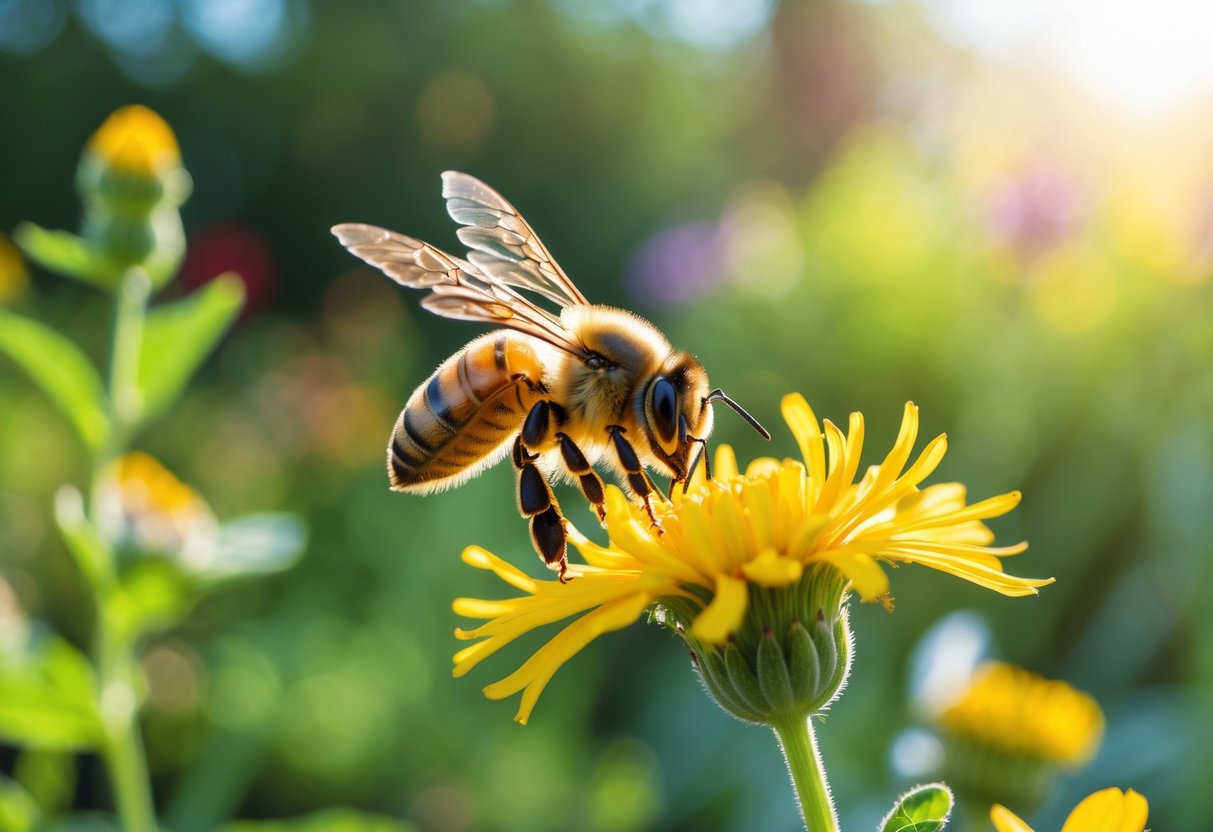
If you watch how bees act, you can dodge most stings. Paying attention to their signals really helps you stay safe outdoors.
Knowing what to look for makes it easier to respect their space. Nobody wants a sting, right?
How Bees Warn of Danger

Bees have a few ways to warn you and each other when something’s wrong. They show it with their bodies, let off certain smells, and use their own hive language.
These signals help the hive stay protected. It’s kind of impressive how organized they are.
Warning Signs Bees Display
When bees get nervous, you’ll usually spot some signs before they sting. You might see a bee flying right up to your face or bumping into your arm.
That’s their way of telling you to move away from their hive. It’s a pretty clear message if you ask me.
Guard bees react first. They’ll zip around you or circle near the entrance.
Africanized honey bees act even faster and get more aggressive, but they still give a warning before attacking. If you keep an eye out for these moves, you can avoid trouble.
When a whole bunch of bees suddenly flies at you, the colony thinks there’s danger. Just walk away—calmly but quickly.
Alarm Pheromones and Marking
Bees release alarm pheromones when they sting or sense you’re too close. These chemicals spread in the air fast.
You can’t see them, but they sure get the message across. Other bees pick up the scent and rush to defend the hive.
When a bee stings, it leaves some pheromones on you. That makes you a target if you stick around.
The smell tells guard bees exactly where to go. One bee’s warning can turn into a group attack in no time.
Knowing about alarm pheromones can really help you avoid a bad day.
Communication Methods Within the Colony
Inside the hive, bees use more than just smells and flying patterns. The waggle dance is a big deal.
A forager bee that finds danger or a predator outside will do a dance to warn everyone. The dance shares where the threat is and how serious it seems.
Guard bees pay attention and get ready to act. Bees also use their antennae to sense pheromones, so the whole colony stays in the loop.
That teamwork helps them defend the hive fast. It’s kind of fascinating, honestly.
Defensive Behaviors and Interactions With Other Insects

When bees, wasps, or hornets sense danger, they each have their own ways of protecting themselves. The way they react depends a lot on their species and the kind of threat nearby.
Some insects warn you before stinging, while others don’t hesitate to attack.
Differences Between Bees, Wasps, and Hornets
Bees usually act calm and only sting if they think their hive’s in real danger. They’ll buzz loudly or bump you as a warning.
If a bee stings, it dies because its stinger gets stuck. That’s got to be a last resort.
Wasps and hornets can sting over and over since their stingers don’t get stuck. Wasps are more aggressive and might even chase you away from their nest.
Hornets are basically big wasps, and they really don’t like intruders near their territory.
| Insect | Sting Type | Warning Signs | Aggressiveness |
|---|---|---|---|
| Bees | Barbed, single sting | Buzzing, bumping | Low unless provoked |
| Wasps | Smooth, multiple stings | Hovering, loud noise | Moderate |
| Hornets | Smooth, multiple stings | Vocal buzzing | High |
Response to Threats from Yellow Jackets and Hornets
Yellow jackets are wasps, and honestly, they’re some of the most aggressive out there. They’ll defend their nests with no hesitation, stinging multiple times before you even realize what’s happening.
Get too close to their home, and they’ll release alarm pheromones. That chemical call brings in backup fast, and suddenly, you’re facing a lot more than just one angry wasp.
Hornets do something similar. They use alarm chemicals to rally the swarm, and their defenders react almost instantly.
Both hornets and yellow jackets can sting you several times. If one gets too close, try to move away slowly—don’t swat at them or wave your arms around. That really just makes things worse.
Their stings hurt, no doubt, and for some people, an allergic reaction can be pretty serious.
If you want to avoid trouble, keep your food covered when you’re outside. Also, try not to mess with their nests—seems obvious, but it’s easy to forget.
Knowing how they behave can help you stay out of harm’s way.
Curious about how bees warn you before they sting? Check out Do Bees Warn You? Understanding Their Buzz and Behavior.


