
So, you’ve noticed bees buzzing around your home or garden and want them gone? You’ll need to handle the situation with care. Honestly, the best way to get rid of bees is to call a pest-control expert—they know how to remove a hive without hurting the bees or risking your safety. This approach protects your family and keeps the environment in mind.

Sometimes, you might want to try natural methods at home to nudge bees to leave on their own. Using specific plants, smoke, or natural repellents can make your space less appealing to them.
Figuring out which type of bee you’re dealing with really helps. Each kind acts differently, and that changes what you should do.
Bees do a lot of good as pollinators, so you probably don’t want to harm them. Safe removal lets you solve your problem and help these important insects at the same time.
If you’re looking for easy, practical ways to deal with bees near you, keep reading for some tips and advice.
Effective Ways to Get Rid of Bees Safely
You can manage bee problems if you know which bees you have, use natural repellents, and set up traps that remove them gently. This way, you keep pollinators safe while protecting your home and yard.
Identify the Type of Bee Infestation
Before you even try to get rid of bees, figure out what kind they are. Honeybees, carpenter bees, and ground bees all act differently.
Honeybees usually stick to hives and help pollinate. Carpenter bees bore into wood, which can be bad for your house. Ground bees nest in the soil and rarely sting.
If you spot a hive or lots of bees in one place, you’re probably looking at honeybees. Carpenter bees look like big bumblebees and leave round holes in wood. Ground bees make tiny holes in the dirt.
Knowing your bee helps you pick the right removal method and decide if you need a pro. Some bees are protected or just not that aggressive, so you don’t want to harm them by accident.
Natural Bee Repellents and Scent Deterrents
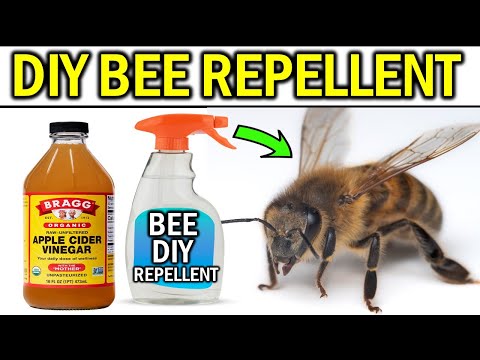
Natural repellents make your yard less tempting to bees. You can plant things like citronella, mint, or eucalyptus—bees aren’t fans. Other safe options include cinnamon, vinegar, and some essential oils.
Try spraying a homemade mix of water with a bit of dish soap or vinegar. That encourages bees to leave without hurting them. Sprinkling mothballs near nests can work, but keep them away from kids and pets.
Smoke is another gentle way to move bees out. It calms them and covers up their alarm pheromones.
If you use natural repellents around places you want bee-free, you’ll have a better shot at keeping bees away.
Setting Up Bee Traps and Other Tools
Bee traps can help cut down on bee numbers without killing them. These traps use bait to lure bees inside, but they can’t get back out easily. You can buy traps or make them with plastic bottles.
Place traps far from where you hang out, so you don’t risk getting stung. Check traps often and release the bees far from your yard.
Physical barriers like netting or screens can block bees from patios or vents. If bees are nesting close to your house, hiring a beekeeper to remove hives is honestly the safest move.
You’ll find more details about safe bee removal and traps in guides like how to get rid of bees safely.
Best Scents and Plants to Deter Bees
You can keep bees away by using certain plants and scents that turn them off. Some plants give off smells bees just don’t like, and you can use these in sprays or home remedies.
Mixing fresh plants and household items can help you create a bee-free space.
Using Mint, Marigolds, and Eucalyptus
Mint, marigolds, and eucalyptus work well in gardens or yards. Bees usually steer clear of mint because its strong scent confuses them.
Try planting mint in pots or along walkways to build a natural barrier. Marigolds smell bitter to bees and add color to your space, but they don’t attract bees like other flowers.
Eucalyptus leaves smell sharp and a bit like menthol. Put some near doors or windows to keep bees from coming inside.
Keep these plants healthy for the best results. Crushing eucalyptus leaves releases more scent and makes them even more effective.
Repelling Bees With Garlic and Cinnamon
Garlic and cinnamon both produce strong scents that bees avoid. Crush up fresh or powdered garlic and leave it around seating areas outside. The smell covers up other scents and keeps bees away.
Cinnamon works as a powder or in stick form. Sprinkle cinnamon powder where you have problems, or burn cinnamon sticks for a bigger effect.
Both garlic and cinnamon are safe, cheap, and easy to use. Refresh them often, since the smell fades with time.
Other Scent-Based Solutions: Mothballs and Citronella
Mothballs and citronella are popular for keeping bees at bay. Hang mothballs near entrances or bee-prone spots—the strong chemical smell drives bees off. Just keep mothballs out of reach of kids and pets.
Citronella is famous for repelling insects. Use citronella candles or torches outdoors. Lighting a citronella candle fills the area with a scent bees don’t like, so you can enjoy your yard in peace.
Mixing these with plants and other natural tips gives you even better protection.
Homemade and Natural Remedies
You can easily whip up natural sprays with essential oils and spices to keep bees at bay.
Just mix some water with oils like eucalyptus, lavender, or citronella. Spray it around your garden or near your doors, and you’ll create a scent barrier that bees really don’t enjoy.
Another thing you can try is sprinkling cayenne pepper on your window sills and door frames. Bees hate that spicy smell, so they’ll usually steer clear.
Crushed cloves work too—just scatter them around your outdoor spaces. Their strong aroma tends to send bees packing.
When you use these natural ingredients, you avoid harsh chemicals. They’re safe for your family, pets, and even friendly insects like butterflies.
Curious about using plants to repel bees? Check out 25 Plants That Effectively Repel Bees.


