
Bees do a lot of good, but when they decide to build a hive right next to your house, well, that’s a headache you probably want gone fast. Honestly, the safest and most effective way to get rid of bees is to call a professional—they know how to move the hive without hurting the bees or damaging your place.

If you’re feeling brave and want to try some natural tricks, you’ve got a few options. You can use bee-repelling plants, smoke, or even household stuff like vinegar to nudge them away.
It really helps to know what kind of bees you’re dealing with and where they’re nesting. That way, you can pick the right method.
Whether the bees are buzzing in your walls, hanging out in the garden, or tunneling in the ground, you’ve got ways to handle it without hurting these little pollinators. Check out these simple ideas to protect your home and the bees.
Effective Strategies to Get Rid of Bees

Figuring out what draws bees in and being able to spot the type helps you choose a good removal method. When you use natural repellents or simple DIY fixes, you keep both yourself and the bees safe.
Understanding Bee Behavior and Attraction
Bees love sweet smells, colorful flowers, and shady places for building hives. They usually settle near food and water.
Carpenter bees go for wood, drilling holes, while ground bees prefer digging tunnels in bare soil.
Bees sting only if they feel threatened, so it’s smart not to make loud noises or sudden moves near a nest. They’re just trying to do their job pollinating plants and helping your garden, after all.
Identifying Common Bee Species Around Your Home
Carpenter bees look big and black with shiny abdomens. They drill into wood.
Ground bees live underground, making little tunnels in sunny, open spots. Honeybees set up hives inside tree hollows or wall cavities.
Spotting which bees you have helps you pick the right removal plan. For carpenter bees, you might need to fix wood later, but ground bees often leave if you disturb them carefully.
Natural Bee Repellents and Scents Bees Dislike
Some scents really bother bees. Cinnamon works well on ground bees and keeps them from settling in.
Mint, eucalyptus, and citronella oils also send bees packing. You can sprinkle these around plants or mix them into sprays for patios and doors.
These choices are safe for people and pets, so you don’t have to mess with harsh chemicals.
Safe DIY Methods to Remove Bees
You can use smoke to gently calm bees and encourage them to leave. Homemade traps with sugar water lure them away from busy areas.
Seal up any cracks or holes where bees could sneak inside your house. If you find a hive, try moving it instead of destroying it.
For big or hard-to-reach hives, call pest control—they’ve got the gear and know-how. Always wear protective clothes when you’re around bees to avoid getting stung.
For more tips, check out safe and natural ways to get rid of bees.
Natural Ways to Keep Bees Away from Your Property
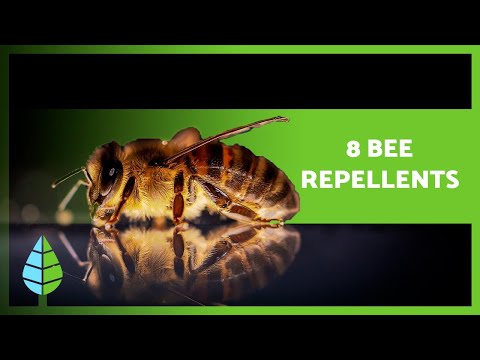
You can keep bees off your property with plants they dislike, easy homemade sprays, and a few tweaks around the house. These tricks work well for honeybees and other types, and you won’t hurt them.
Using Bee-Repelling Plants
Planting certain herbs and flowers around the yard helps keep bees at bay. Strong-smelling picks like citronella, eucalyptus, garlic, mint, and marigolds work great.
Bees just don’t like these scents, so putting them near doors, patios, or garden beds cuts down on bee visits. Lemongrass and cloves also help by masking the smells that attract bees.
Stick some potted plants where you want fewer bees, or mix them into your flower beds. These plants make a natural barrier, no chemicals needed.
Most of them smell good to people, even if bees disagree.
Homemade Bee Repellent Recipes
You can whip up simple sprays using stuff from your kitchen. Mix equal parts water and vinegar in a spray bottle to calm bee activity fast.
A few drops of peppermint or cinnamon oil make it even stronger. Another option is water mixed with a bit of cayenne pepper and some clove oil.
Spray these blends on outdoor tables, trash cans, or anywhere bees gather. Burning citronella candles also helps—smoke and scent confuse bees and make your spot less appealing.
Just be careful not to spray near flowers you want bees to visit, or you might chase off the good pollinators too.
Environmental Changes to Deter Bees
If you tweak how you arrange your yard, you might notice fewer bees hanging around. Try to keep your garden and those flowering plants a few yards from your house.
Bees usually show up where flowers are packed together, so this little move really helps keep them from buzzing too close.
Some folks hang mothballs near entry points or under the eaves. It can work, but I’d be careful—they’re not great for pets.
You could also set up bee traps. These traps lure bees into a container, and then, well, they can’t get out.
If you place traps away from your main hangout spots, you’ll probably steer bees elsewhere without harming them.
Don’t forget to trim bushes and clean up fallen fruit or any sugary spills right away. If you leave these out, bees will find them, and suddenly they’re all over your space.
These natural tweaks help protect your place without chemicals, and honestly, they’re a lot kinder to honeybees.
If you want more advice on natural bee repellents, you might like natural bee repellent tips and recipes.


