
So, you got stung by a wasp and now you’re wondering, “How long do I need to keep an eye on this before I can chill out?” Usually, mild reactions like pain, redness, and swelling start to fade within a few hours or a couple of days. But if things get worse or just won’t go away after a few days, you might want to pay extra attention.
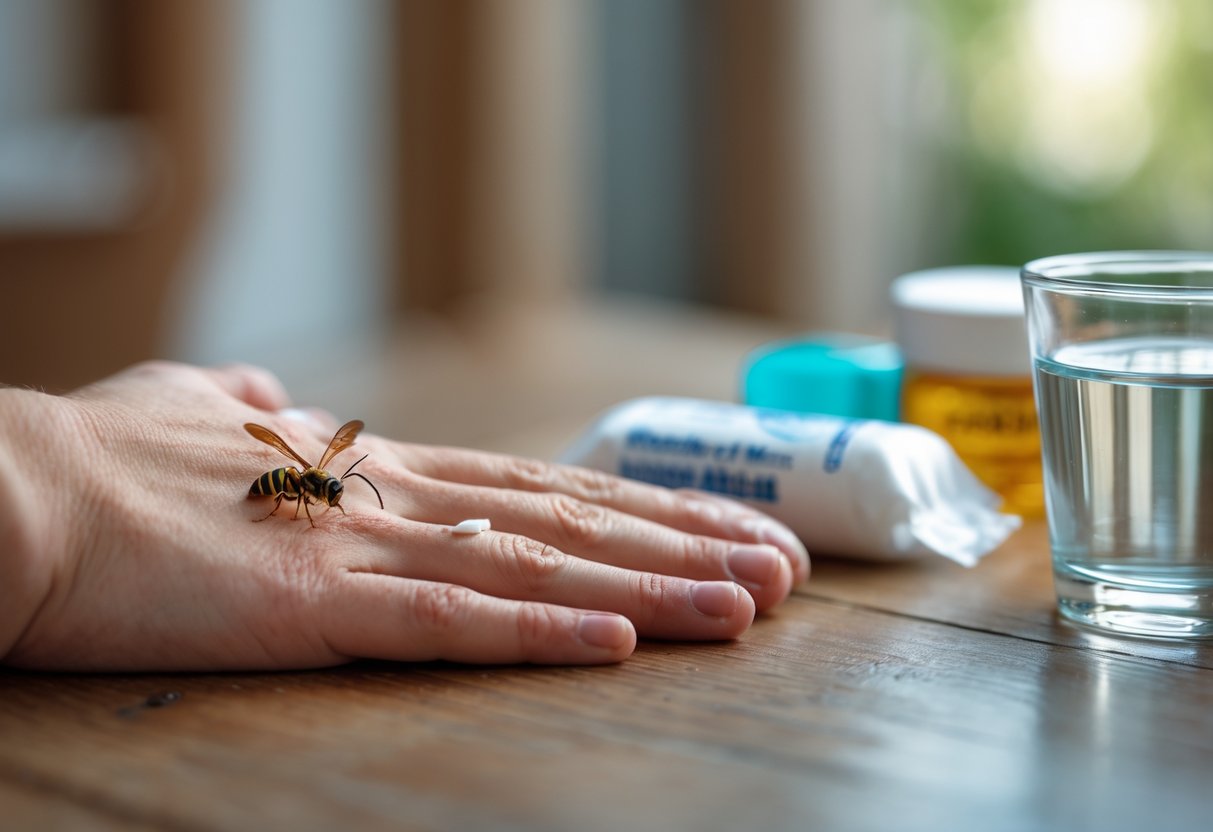
If you notice major swelling, trouble breathing, dizziness, or anything that feels way off, don’t brush it off. These could be signs of an allergic reaction, and you’ll need medical help right away.
Recognizing when a sting might be dangerous can help you feel a bit more in control after an unexpected wasp run-in.
It’s smart to keep an eye on the sting and how you’re feeling overall. That way, you won’t worry too much or miss something important.
This guide should help you figure out what’s normal and when you really need to get checked out. If you want more info, here’s a link on when to be concerned about a wasp sting.
How Long After a Wasp Sting Should You Worry?

Most people start feeling better within a few hours or days after a wasp sting. Still, some symptoms mean you should pay close attention.
If swelling or pain gets worse after two days, or you notice any signs of an allergy, don’t wait—take action.
Typical Reaction Timeline and Symptoms
Right after a wasp sting, you’ll probably feel pain and see swelling around the spot. That usually lasts an hour or two, but sometimes it sticks around for days.
Mild swelling and redness are pretty normal. They should shrink a little each day.
Your skin might itch or feel tender. Ice packs and antihistamines can help a lot.
Cleaning the sting site is a good move too. If the pain and swelling slowly get better, you’re probably in the clear.
When Delayed Swelling Becomes a Concern
If, after 48 hours, the swelling gets bigger or more painful, you might have an infection brewing. Look out for extra redness, warmth, pus, or skin that feels kind of hard.
Scratching can bring on infection, so try not to do that. If the spot feels really sore or you start running a low fever, reach out to a doctor.
Signs That Require Immediate Medical Attention
Some wasp sting reactions can turn serious fast, like anaphylaxis. If you break out in hives, can’t breathe well, your face or throat swells, or you feel dizzy, get help right away.
If you have an epinephrine auto-injector, use it and call 911. Stings in the mouth or throat are extra risky because swelling can block your airway quickly.
Don’t wait around if you see these symptoms—emergency care is a must.
How to Respond and What Treatments Help

If a wasp stings you, acting quickly and knowing what to do can make a big difference. The right treatments can help you feel better and avoid bigger problems.
First Steps to Care After a Wasp Sting
As soon as you get stung, move away from the wasp. That’s just common sense.
Wash the area gently with soap and water to cut down the risk of infection.
Grab an ice pack or a cold, damp cloth and press it on the sting. That helps with pain and swelling.
Just don’t put ice right on your skin—it’s not worth the risk.
Keep an eye out for trouble breathing, swelling that spreads, or dizziness. If any of that happens, call for help right away.
Effective Home Remedies and Medications
You can take over-the-counter pain meds like ibuprofen or acetaminophen for pain. Hydrocortisone cream or calamine lotion can calm down itching and redness.
If you’re super itchy, an oral antihistamine like diphenhydramine can help. Just follow the directions on the box.
Try to keep the sting area elevated if you can. And definitely don’t scratch—it just makes things worse.
Preventing Complications and Infections
Keep the sting clean and dry while it heals. If you use bandages, go ahead and change them out regularly.
Watch for any signs of infection—like pus, more redness, warmth, or maybe even a fever. If swelling sticks around for more than 48 hours or just gets worse, reach out to your doctor.
Some people can develop more serious reactions, even if it’s never happened before. If you know you’re allergic to wasp stings, always carry a sting kit with an EpiPen.
It’s really important to know how and when to use it; it could save your life. For more info about when you should see a doctor, check out when to call a doctor for a wasp sting.


