
Choosing the right spot for your beehive really matters for both your bees and your garden. Honestly, the best place for a bee hive is somewhere quiet that catches the morning sun, gets a bit of afternoon shade, has some wind protection, and stays away from busy or noisy spots.
That kind of spot keeps your bees calm and comfortable while they’re working hard.

You’ll want your hive to be easy for you to reach, too. If you have enough space around it, you can move and work without feeling cramped, and that just makes everything simpler.
Try to pick a location near flowers and trees. Your bees will get plenty of nectar, and that helps the whole colony thrive.
You’ve got to think about the bees’ needs, but don’t forget your own convenience. It’s a balance—if you get it right, your hive stays healthy and your garden gets a nice little boost from happy pollinators.
If you want more details, check out Bee Professor for some solid advice.
Key Considerations for Beehive Placement in the Garden

When you pick a spot for your beehive, think about sunlight, wind, and water. These things really affect how healthy and active your bees will be.
You want a location that protects the bees and gives them what they need to do well.
Sunlight and Shade Balance
Try to put your bee hive where it gets some good morning sun. That early warmth wakes the bees up and gets them moving.
Too much afternoon sun can overheat the hive, though. Look for a bit of shade in the hottest part of the day so things don’t get too toasty.
Sunlight helps dry out the hive, which means less mold and fewer pests like small hive beetles. But don’t go for full sun all day—it’s just too much.
A hive stand helps, too. Raising the hive off the ground avoids dampness and gives you better airflow.
If you can, set things up so the sun hits from the east or southeast. That’s usually the sweet spot for warmth.
Wind Protection and Shelter
Strong winds stress out bees and cool the hive down, which isn’t great. Try to find a spot with some wind protection—maybe near bushes, fences, or a wall in the garden.
Keep the bees’ flight paths away from busy walkways. You don’t want them crossing where people are always walking.
A natural windbreak makes the hive more stable and keeps the bees calmer. Make sure your hive stand is sturdy so the whole thing doesn’t wobble when the wind picks up.
If you keep the hive away from wide open spots, you’ll also have fewer problems with pests sneaking in.
Access to Water Sources
Bees need water close by for drinking, cooling the hive, and making honey. Put your hive near a clean water source if you can.
The water should be shallow or have stones so bees don’t drown. If they have to fly too far for water, they waste energy and the hive won’t do as well.
No pond? No problem. Set up a birdbath or a shallow dish with pebbles. Just remember to refill it and keep it clean.
Practical Tips for Beekeepers Setting Up a Garden Hive
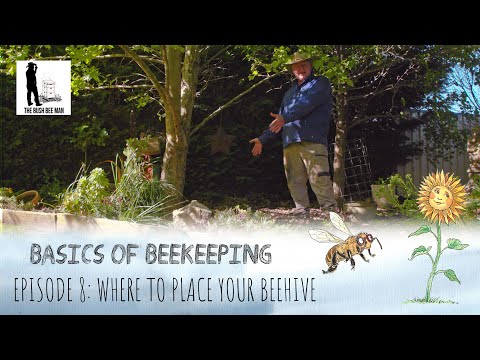
When you’re placing your hive, think about how the bees will fly in and out. Also, consider how close you are to neighbors and how much space you have.
These little details can make beekeeping way easier and safer for everyone.
Optimal Orientation and Flight Path
It’s usually best to face the hive entrance southeast. That way, the bees catch the morning sun and get moving early.
Early sunlight warms the hive and gets the bees active.
Keep the flight path clear. Don’t block it with fences or bushes.
You can use a low hedge to nudge bees upward, so they fly above walkways or kids playing nearby.
Make sure the hive sits stable and level. Uneven ground throws off the bees and can mess up the hive inside.
A simple stand or a few bricks can lift the hive off wet soil and keep things dry.
Proximity to Neighbors and Public Safety
Put your hive where it won’t bother neighbors. Stay away from doors, playgrounds, or busy paths.
Bees can travel far, but you don’t want their main routes going right through people’s space.
If you have neighbors close by, have a chat and let them know what’s happening. It helps everyone feel better about the bees.
A fence or thick plants can act as a natural barrier, guiding bees and keeping them mostly out of sight.
Give your hive enough space around it. That way, bees can guard their home and you’ll have fewer surprise run-ins with pets or people.
Urban and Small-Space Beekeeping
In small gardens or city yards, you really need to think about where you put your hive. Pick a flat, dry spot—one that won’t flood after a heavy rain.
Skip the damp corners; they just invite mold and pests into the hive.
If you don’t have much room, try keeping just one hive instead of going big with an apiary. It’s way easier to manage, and you won’t have to worry as much about things getting crowded.
A hive stand can help, too. It saves a bit of ground space and lets air move around better.
City beekeeping usually means you’ve got neighbors close by. Move gently during inspections, and avoid strong smells—nobody wants a complaint about bees or odd odors drifting over the fence.
Stay on top of maintenance. Calm, healthy bees are just less trouble, especially with all the hustle and bustle around.
If you want more ideas for hive placement, here’s a handy guide: placing a beehive in your garden.


