
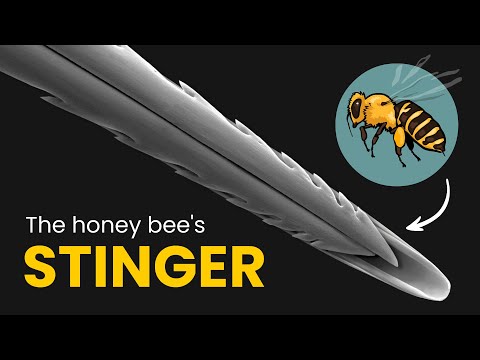
So, you got stung by a bee and now you’re wondering—did it leave its stinger behind? Only honey bees leave their stinger in your skin when they sting. Their stingers have tiny barbs that dig in and get stuck, which makes it impossible for them to pull it back out.

Wasps, hornets, and bumblebees don’t have this problem. Their stingers are smooth, so they can sting you more than once. It’s actually helpful to know which insect stung you, so you’ll know what to expect and how to deal with it.
Do Bees Leave Their Stinger In You?
When a bee stings, the outcome really depends on what kind of bee it is. Some bees leave their stinger behind, stuck in your skin. Others manage to pull it out and can sting again.
This difference explains why some stings hurt longer, and why a honey bee might not survive after stinging.
How Honeybees Sting and Leave Their Stinger
Honeybees use a barbed stinger, which acts like a bunch of tiny hooks. When a honeybee stings, those barbs grab onto your skin and hold tight.
The bee can’t pull the stinger back out. The stinger stays stuck, and the venom sac keeps pumping venom into your skin. That’s what causes the pain and swelling.
When the bee tries to fly away, it loses the stinger and even some internal parts. That’s a pretty rough deal for the bee.
Why Honeybees Die After Stinging Humans
Female honeybees—especially worker bees—do the stinging. When they sting a human, their barbed stinger gets stuck in our thick skin.
If the bee tries to escape, the stinger and attached organs tear away from its body. This injury kills the bee.
Honeybees can only sting once. After losing their stinger, they can’t survive.
It’s a self-sacrificing act meant to protect the hive, but it’s obviously not great for the individual bee.
Bee Species That Do Not Leave Their Stinger
Not every bee leaves its stinger behind. Bumblebees, for example, have smooth stingers.
They can sting you, pull the stinger out, and do it again if they want. Most bee species don’t die after stinging.
So, if you get stung a few times in a row, it probably wasn’t a honeybee.
Differences Between Bees, Wasps, and Hornets
Wasps and hornets also have smooth stingers. They can sting as many times as they feel like if they’re threatened.
Bees usually have hairy bodies and help pollinate flowers. Wasps and hornets look smoother and, honestly, tend to act more aggressive.
Honeybees stand out because they leave their barbed stinger behind. That’s why bee stings and wasp stings can feel pretty different.
If you want more details about which bees leave their stinger in you, check out this page: what bee leaves its stinger in you.
What Happens After a Bee Sting and How to Treat It
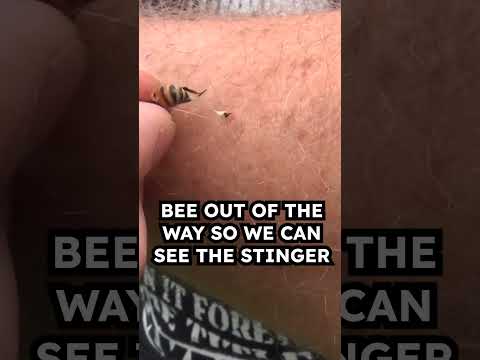
When a bee stings you, the barbed stinger often stays lodged in your skin. The venom starts flowing right away.
You’ll probably notice pain, redness, and swelling. Acting quickly can help you feel better and stop things from getting worse.
The Importance of Removing a Bee Stinger
If you get stung, try to remove the stinger as soon as you can. The venom sac keeps pumping venom into your skin the whole time it’s stuck there.
If you leave it in, you’ll get more venom, which means more pain and swelling. Use something flat, like a credit card, to gently scrape it out.
Try not to pinch it with your fingers or tweezers, since that can squeeze out even more venom. Get the stinger out within a few minutes if possible—it really does help.
Aftercare for Bee Stings
Once you’ve removed the stinger, wash the area with soap and water. This helps prevent infection.
You might see some swelling or redness. That usually fades after a few hours or maybe a couple of days.
To calm the itching and swelling, put a cold pack (wrapped in a cloth) on the sting. If it hurts, take acetaminophen or ibuprofen.
Calamine lotion or hydrocortisone cream can help with the itch. Try to keep the area elevated if you can, and avoid scratching so you don’t make it worse.
Possible Allergic Reactions
Most people just get mild symptoms from bee stings. But some folks have allergic reactions.
Look out for things like trouble breathing, swelling in your face or throat, dizziness, or a racing heartbeat. If that happens, you need medical help right away.
If you know you’re allergic, always carry your epinephrine auto-injector and use it if you get stung. Call emergency services after you use it, just to be safe.
For smaller local reactions—like swelling that spreads past the sting site—cold packs and antihistamines can help.
Effective Home Remedies and Treatments
You’ve got a few simple ways to ease bee sting symptoms at home. Try mixing up a paste of baking soda and water, then dab it right on the sting. Some people swear by a little honey on the spot—it might just help the healing process.
Calamine lotion works well for calming down that annoying itch and redness. Aloe vera gel? It’s a classic for cooling and soothing irritated skin.
Try not to scratch the sting, tempting as it is. Keep the area clean too.
If pain or swelling gets worse after a couple of days, or you spot signs of infection like pus, it’s time to call a doctor.
Want more details about treating bee stings or why it’s so important to get the stinger out quickly? Check out this article: How to Treat Bee Stings.


