
If you’re planning to spend time outside and want to keep bees at bay, what you wear actually matters. Light shades like white, beige, or light brown work best for avoiding bees.
These colors don’t draw bees in, so you’ll probably feel safer if you’re hanging out near flowers or gardens.

Bees notice dark and bright colors—think black, blue, or yellow. Those shades can make them curious, or worse, defensive.
If you stick with light, simple colors, you’re basically telling bees you’re not a threat. They’ll usually leave you alone.
It’s a pretty easy tip, but it can make your time outdoors a lot less stressful.
Knowing how bees see color can help you pick out outfits that keep you comfortable and safe. Wondering why some colors attract bees and others don’t? Let’s dig into what actually works for your next outdoor adventure.
What Is the Best Color to Wear to Avoid Bees?

Picking the right colors can help you avoid bees, honeybees, wasps, yellow jackets, and hornets. Some colors make you look less interesting to insects, so you’re less likely to get stung.
Bee Vision and Color Perception
Bees don’t see colors the way we do. They pick up on blues, purples, and even ultraviolet light really well.
These shades remind them of flowers, so bees tend to fly toward them.
Red, however, looks dark or black to bees. That color signals danger or predators like bears.
Bees usually steer clear of those shades because they see them as threats.
White or beige clothes look pretty neutral to bees. They don’t really notice you if you’re dressed in those colors.
Understanding how bees view color makes it easier to choose safe clothes.
Most Effective Colors to Deter Bees
If you want to keep bees away, go for light-colored clothing. Whites, light browns, beiges, and creams just blend in and don’t look like flowers.
You’ll be less likely to get stung if you avoid standing out.
Skip dark colors like black, dark blue, or brown. Bees connect these shades with predators and might sting to defend themselves.
Neutral colors such as tan or light green can also help. They don’t attract bees the way flashy colors do.
If you skip strong perfumes or scented deodorants, you’re even better off.
Colors That Attract Bees
Bright colors—especially yellow, purple, and blue—look like flowers to bees. Wearing these can bring bees closer, which isn’t ideal if you’re trying to avoid them.
Bees especially love yellow and purple flowers, so wearing those colors might get you extra attention. Red and dark red clothes usually appear black to bees, which can actually scare them, but honestly, red clothing can be risky since it’s a bit of a warning color.
If you wear colors that look like common flowers, bees notice you more. Keeping your clothes plain and light really helps lower the risk.
Want more details? Check out what color to wear around bees.
Other Ways to Repel Bees Besides Color
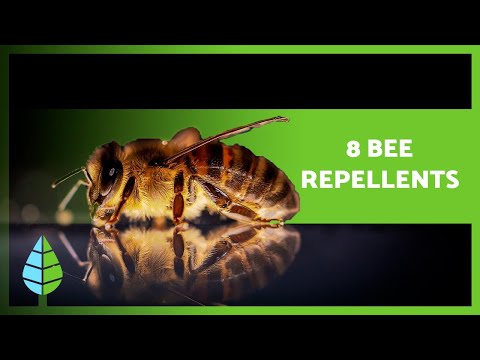
Color isn’t the only thing that matters. Scents and the way you dress can also help you avoid bees.
Some smells actually repel bees, and a few clothing tricks can make you less of a target.
Scented Products to Avoid
Bees have a strong sense of smell. If you use perfumes, colognes, or strong deodorants, you might attract bees without meaning to.
Floral or sweet scents remind bees of nectar. That makes you more interesting to them.
Try skipping laundry detergents or fabric softeners with heavy scents or UV brighteners. These can draw bees in, too.
Stick to unscented products when washing your clothes.
Most insect repellents focus on biting bugs, not bees. Always check the label before spraying anything.
Natural Repellents and Essential Oils
Some natural scents help keep bees away. Oils like peppermint, eucalyptus, citronella, and lavender work well as gentle repellents.
You can dab diluted peppermint or eucalyptus oil on your skin, or put cotton balls soaked in these oils around your patio or picnic spot.
Bees don’t like these strong, odd smells because they’re not like flowers.
Natural repellents let you avoid harming bees, which honestly feels important since they’re such good pollinators.
Just remember, you might need to reapply these oils pretty often, especially if you sweat or go swimming.
Additional Clothing Tips
Color isn’t the only thing to think about—fabric type and fit play a big role too. Try wearing smooth, light-colored clothing if you want bees to ignore you.
Bees seem to stick to rough or fuzzy fabrics, probably because they mistake them for pollen. I’d avoid those textures if possible.
Covering your skin makes a difference. Long sleeves, pants, and closed shoes can keep you safer out there.
Skip the open sandals or bare arms, especially if you know bees are around. It’s just not worth the risk.
Some folks swear by dryer sheets tucked into pockets as a bee repellent. Sure, it’s not backed by science, but plenty of people say it works for them.
If you’re hanging out near hives a lot, you might want to wear protective clothing made for beekeepers. These suits usually come in white and use smooth fabric to keep bees from getting too interested.


