
Ever wondered if bumble bees make honey like honey bees? Well, they do—but it’s a whole different story. Bumble bees make just a tiny bit of honey, barely enough for their own needs, and nothing like the big harvests you get from honey bees.
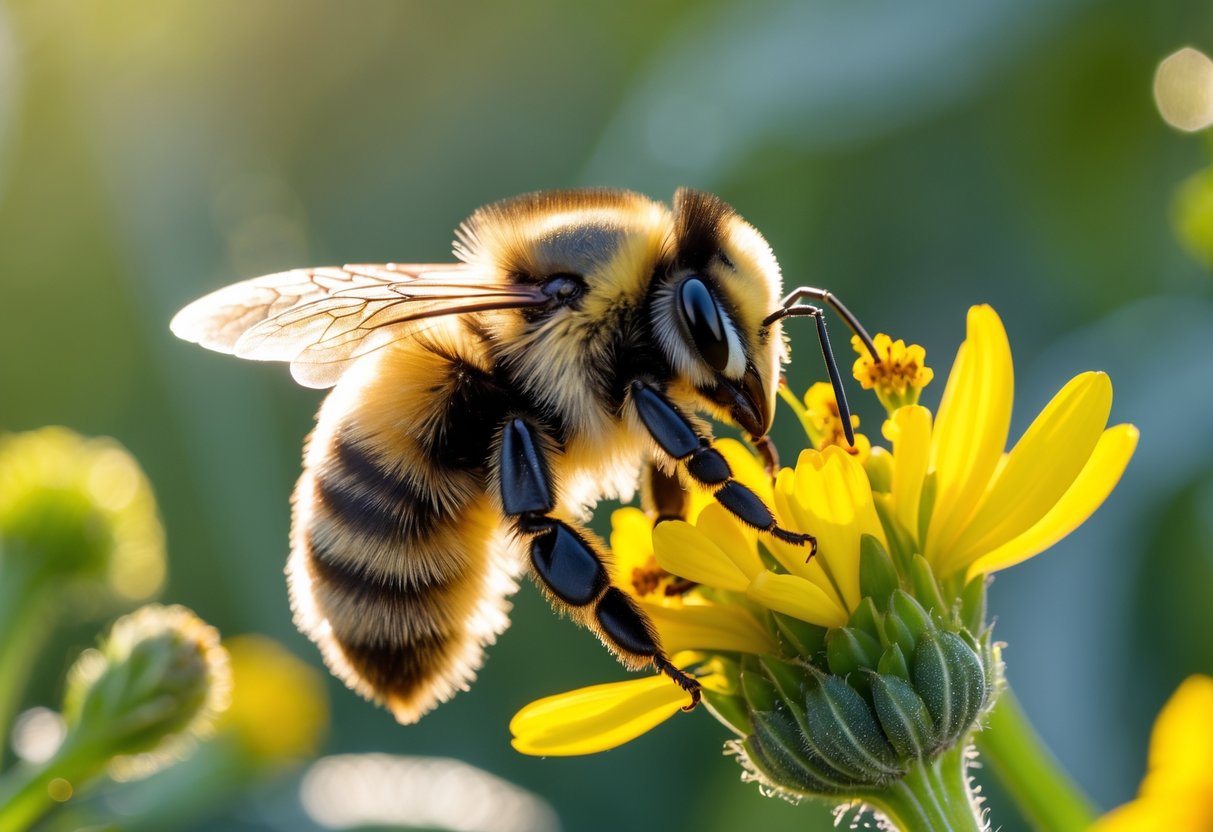
Bumble bees live in much smaller groups, and their colonies don’t survive the winter. So, they don’t bother storing up piles of honey for cold months.
Instead, they turn the nectar they gather into a honey-like substance—just enough to keep everyone fed, day by day.
If you’ve seen bumble bees bouncing from flower to flower, it’s pretty cool to realize they’re gathering nectar and making a bit of honey. Knowing how their honey differs from the kind you find in stores might make you appreciate both types of bees more.
Do Bumble Bees Still Make Honey?

Maybe you’re curious if bumble bees actually make honey, or if that’s just a honey bee thing. Bumble bees do make honey, but it’s different—there’s less of it, and they handle it in their own way.
Their smaller colonies and shorter life cycles really shape how and why they make honey.
How Bumble Bees Produce and Store Honey
Bumble bees collect nectar in their honey stomachs, much like honey bees do. The worker bees carry nectar back to the nest and stash it in little wax pots, which are their version of honeycomb cells.
But here’s the thing: bumble bees only make tiny amounts of honey.
They don’t build big, packed honeycombs. Instead, they store just enough to keep the colony going for a few days, especially if the weather turns bad.
Bumble bee colonies care more about pollen than huge honey stores. Their honey ends up thicker and less sweet, since they mix the nectar with fewer enzymes and don’t let as much water evaporate.
Key Differences Between Bumble Bees and Honey Bees
Bumble bee colonies usually stay small—just a few hundred bees—and only last a season. Honey bee colonies, like those of Apis mellifera, can get huge and live for years, making a ton of honey.
Honey bees build big honeycombs with lots of cells, filling them with thick honey so they can survive winter. Bumble bees don’t overwinter as colonies, so they skip the big honey reserves.
Bumble bees make honey mainly to get through short rough patches while raising new bees. Honey bees often make more honey than they need, which is why people can harvest it.
| Feature | Bumble Bees | Honey Bees |
|---|---|---|
| Colony size | Small (up to a few hundred) | Large (thousands to tens of thousands) |
| Honey storage | Small wax pots, small quantities | Large honeycombs, large quantities |
| Colony lifespan | A few months (seasonal) | Year-round |
| Honey purpose | Short-term feeding | Long-term food storage |
Factors Influencing Bumble Bee Honey Production
How much honey bumble bees make depends on colony size, the weather, and how much food is around. If nectar is everywhere, workers bring home a bit more to stash.
On cold or rainy days, the stored honey feeds the larvae and keeps young bees alive. As the season ends and new queens get ready to hibernate, honey production drops off.
You’ll often see bumble bees collecting more pollen, since larvae need it most. Nectar mostly keeps the adults fueled for foraging and flying.
This balance means bumble bees don’t produce much honey. Their honey-making really depends on what the colony needs and what’s happening outside.
If you want to dig deeper into their nectar habits, check out beekeepercorner.
The Ecological Importance of Bumble Bees

Bumble bees play a huge part in nature and agriculture. They move pollen between plants, help crops grow, and support a bunch of other species.
But they face all sorts of threats these days, and fixing that isn’t simple. If you get why they matter, you might feel more motivated to help protect them.
Role in Pollination and Crop Production
Bumble bees are important pollinators for fruits, veggies, and flowers. They use a trick called buzz pollination—basically, they shake the flowers until pollen falls out.
That’s especially important for crops like tomatoes, blueberries, and peppers.
Because they’re bigger and stronger, bumble bees can pollinate plants that honey bees can’t handle. Their work helps farmers grow more food.
If you want to help, plant flowers that bees love and skip the pesticides.
Impact on Biodiversity and Ecosystems
Bumble bees keep ecosystems balanced by pollinating wild plants. This supports tons of animals that rely on those plants for food and shelter.
Their work builds healthier habitats for other pollinators and wildlife.
When bumble bees support many different species, they boost biodiversity. If they disappear, some plants might not survive, and that messes with whole ecosystems.
Protecting bumble bees means you’re also protecting the natural world around you.
Conservation Challenges and Solutions
Bumble bees deal with some tough problems—habitat loss, climate change, and way too much pesticide exposure. These issues shrink their numbers and make it harder for them to find good nesting spots.
When they can’t find safe places or enough food, bumble bees just can’t make it. It’s a tough world out there for them.
You can actually help out by setting up or supporting habitats, like bee hotels. If you plant native flowers and skip the pesticides, that helps too.
People working in conservation usually try to protect habitats and encourage healthy ecosystems. That way, bumble bees get the space and resources they need to keep doing their important work.


