
The sacred bee symbol means a lot more than just “bug.” Across ancient cultures, people saw it as a sign of power, protection, life, and community. At its heart, the sacred bee stands for hard work and the deep connection between nature and the spiritual world.
Artists, storytellers, and priests have drawn inspiration from bees for thousands of years, especially in Ancient Egypt.
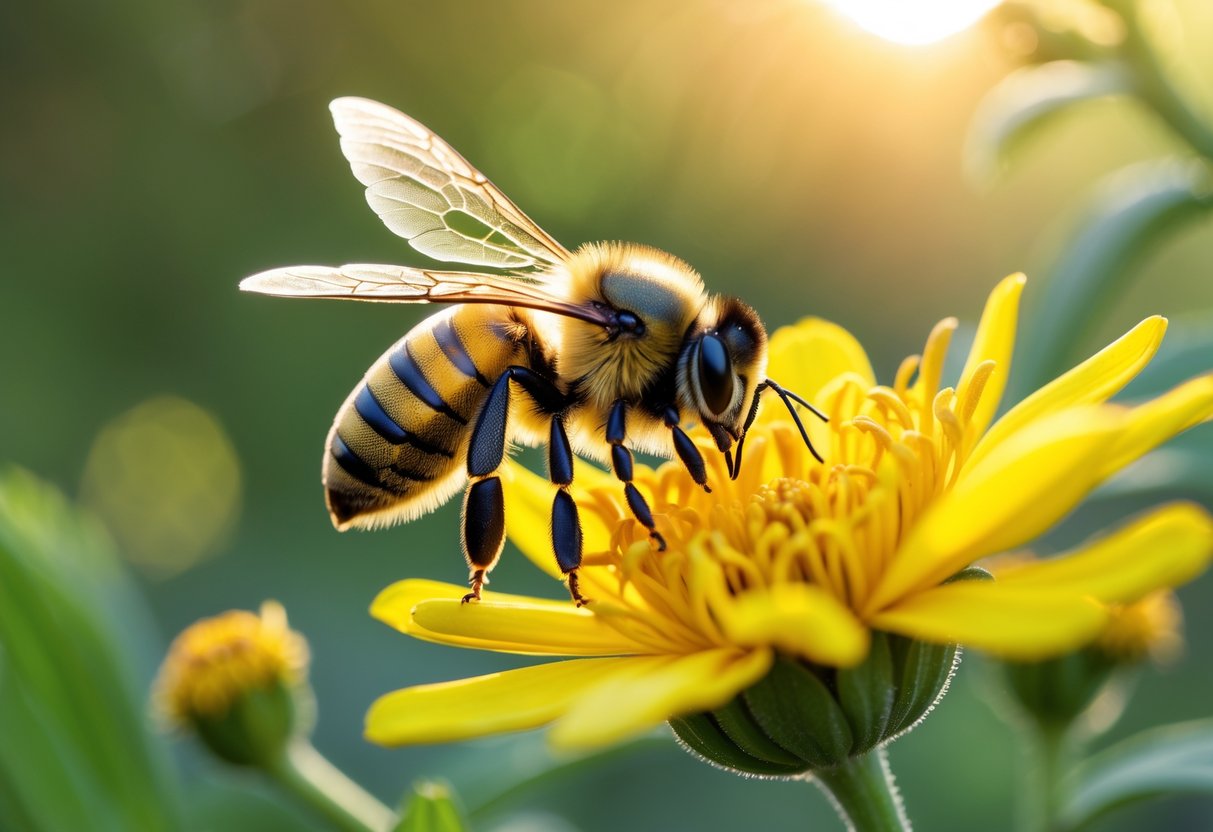
When you spot the sacred bee, you’re looking at a symbol of fertility, royalty, and resilience. It pops up in myths and traditions, nudging us to remember the strength of teamwork and the power in even the smallest creatures.
Digging into this topic might just give you a new lens on why bees have meant so much to so many.
Understanding the sacred bee can shift how you see nature—and the symbols we use to make sense of life. Maybe you’re curious about old legends, or maybe you’re just wondering what bees stand for now. Either way, this symbol has lessons that still matter.
If you want to get deeper into the legends, check out the Legend of the Sacred Bee in Ancient Egypt.
Origins and Symbolism of the Sacred Bee
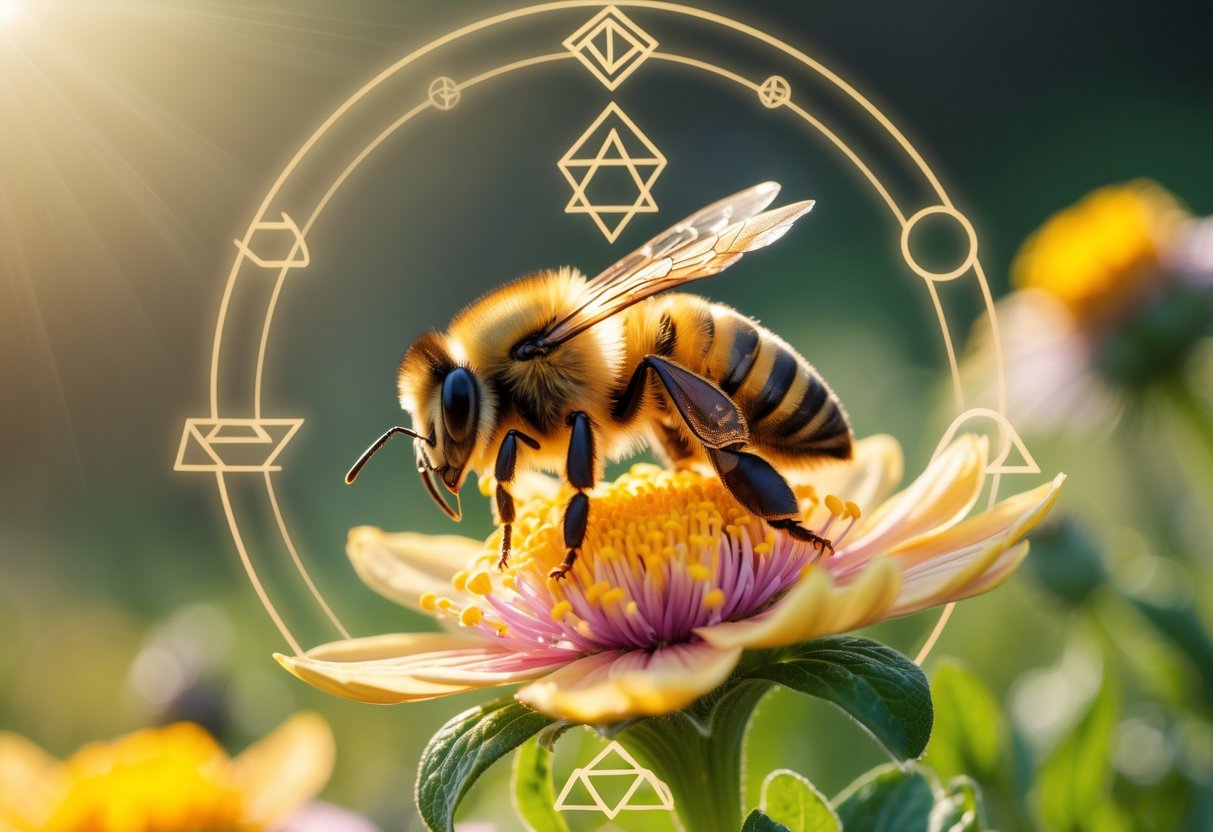
People have connected the sacred bee to big ideas like life, protection, and the divine for ages. Its image shows up in myths and art from all sorts of cultures.
You’ll notice how the meaning of the bee shifts depending on the time and place, but it always seems to carry weight.
The Emergence of the Sacred Bee in Ancient Egypt
Ancient Egyptians used the sacred bee as a symbol of royal power and protection. Kings tied their authority to the bee, weaving it right into their royal titles.
Bees had a strong link to Neith, the goddess of war and weaving. She stood for creation and protection—qualities people also saw in bees.
Their organized, tireless work reflected the order Egyptians wanted in their society.
You’ll spot bee symbols on plenty of Egyptian artifacts. Clearly, they respected these insects a lot.
Bees weren’t just bugs to them—they were sacred, a sign of life and the gods’ favor.
Bee Symbolism Across Ancient Cultures
The bee carried meaning outside Egypt too. Greeks connected bees to goddesses like Artemis and Demeter.
For them, bees stood for fertility and abundance—pretty fitting for goddesses of the wild and the harvest.
Romans and other cultures saw bees as models of community and hard work. Since bees make honey, people linked them to sweetness and the good things in life.
Some even thought bees could travel between our world and the realm of the gods, which gives them a pretty mystical vibe.
Sacred Bee Roles in Egyptian and Greek Mythology
Egyptian stories said bees came from the tears of the sun god Ra. That tied them to creation and the power of the sun.
Greek myths talked about the Melissae, priestesses called “the bees.” They acted as prophetesses, passing on messages from the gods.
Both mythologies used bees to stand for fertility, resurrection, and spiritual connection. It’s kind of amazing how the bee bridged the gap between humans and the divine for so many people.
If you want more on bees in Egyptian religion, here’s a link about the Sacred Bee in Ancient Egyptian culture.
Sacred Bee in Daily Life, Rituals, and Art

You’ll find the sacred bee everywhere—from daily life to spiritual rituals. Its image appears in art and on objects meant for protection or celebrating nature’s cycles.
Bees connect to growth, light, and community, so their symbol sticks around in all kinds of ways.
Beekeeping and the Importance of Bees
People have practiced beekeeping for thousands of years. Bees matter because they pollinate plants, helping fruits, veggies, and flowers grow.
Caring for bees does more than give you honey. Bees support whole ecosystems and keep plants healthy.
Ancient cultures even linked bees to gods like Ra, the sun god, tying their work to life and light.
When you keep bees, you start to respect how everything fits together in nature. Watching a colony work as one is actually kind of mesmerizing.
That teamwork is a big reason why so many cultures see bees as sacred and strong.
Honey, Beeswax Candles, and Their Ritual Uses
Honey isn’t just a snack—it’s a key part of ceremonies and healing. Lots of traditions treat honey as a gift from the gods because it’s pure and lasts a long time.
People use beeswax candles in rituals too. Lighting one stands for purity and a link to the divine.
The soft, golden glow feels warm and guiding, kind of like the sun’s light that Ra represents.
When you use honey or beeswax in rituals, you’re bringing natural power into your space. It’s a way to connect with ancient practices that honor life and protection through the sacred bee.
Pollination and the Bee’s Role as a Pollinator
Pollination lets plants reproduce, and honestly, bees do it better than almost any other creature. When bees buzz from flower to flower, they carry pollen along for the ride and make it possible for fruits and seeds to grow.
If bees disappeared, a lot of your favorite foods would vanish or become ridiculously rare. Their work matters—a lot—to nature and to us.
Healthy plants rely on bees, and bees keep ecosystems running smoothly. Once you realize how much bees do, it’s kind of hard not to respect them, right? Maybe that’s why so many cultures see bees as symbols of life and growth.
Want to dig deeper into how bees show up in culture and nature? Check out Bees in Culture: Symbolism and Significance.


