
You got stung by a bee—now what? Maybe you’re tempted to just leave it alone and hope for the best. Honestly, that’s not a great idea. You really should remove the bee sting as soon as you can, because the stinger keeps pumping out venom, which only makes the pain and swelling worse. If you ignore it, you might set yourself up for bigger problems.

You might not feel allergic, but leaving the stinger in usually leads to more swelling and discomfort. If you get it out quickly, you limit how much venom gets in and lower your chances of infection or lingering pain.
Figuring out the right steps can help you bounce back faster.
Risks of Leaving a Bee Sting Untreated

Leaving a bee sting untreated? That’s not just about pain. The stinger keeps pumping venom, which ramps up your discomfort and opens the door to other issues.
You might get swelling, an infection, or even a nasty allergic reaction.
Venom Release and Increased Pain
The bee stinger sticks around in your skin, releasing venom that causes pain and swelling. The longer it’s in there, the more venom gets under your skin.
That means the area hurts more and swells up bigger. You might start to feel itching or a burning sensation as the venom spreads.
If you get the stinger out quickly, you stop more venom from entering and ease the pain and swelling. Leaving it in just gives your body more to react to, so the discomfort can drag on.
Risk of Infection
If you don’t clean or care for the sting, it can get infected. The tiny opening lets bacteria sneak in, which might lead to redness, warmth, pus, or even a fever.
Sometimes an infected sting needs antibiotics to clear up. To avoid all that, wash the spot with soap and water after you pull out the stinger.
Keep it clean, and watch for signs like spreading redness, more pain, or oozing fluid.
Allergic Reactions and Anaphylaxis
Some folks react to bee stings with allergies—sometimes mild, sometimes not. A mild reaction might mean extra swelling, redness, or itching that goes past the sting site.
But ignoring a sting could make things worse. Rarely, people get anaphylaxis, which is life-threatening.
That can mean trouble breathing, throat swelling, dizziness, or a racing heartbeat. If you notice these, don’t wait—call for emergency help right away.
If you know you’re allergic, always carry an epinephrine auto-injector and use it right after a sting. Even if you’re not sure about allergies, pay attention to your body and get help if you feel really unwell.
You can find more about safe stinger removal and the risks of leaving it in at beekeepercorner.com.
How to Respond and When to Get Help
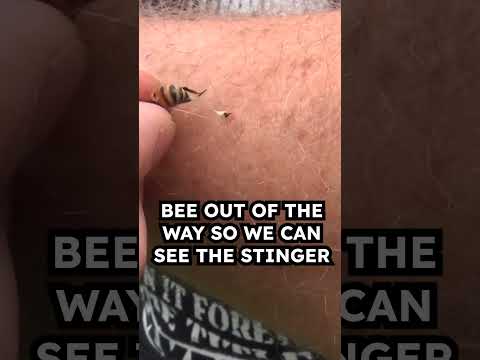
If a bee stings you, acting fast makes a difference. Pulling out the stinger quickly and handling the pain can keep swelling and discomfort down.
Knowing when to get medical help really matters, especially if you see signs of a bad allergic reaction.
Safe Bee Stinger Removal Methods
As soon as you spot the sting, check if the stinger’s still stuck in your skin. It keeps releasing venom, so if you get it out fast, you’ll have less pain and swelling.
Try not to squeeze the stinger with your fingers or tweezers—doing that might push more venom in. Use something with a flat edge, like a credit card, to gently scrape it out.
Wash the spot with soap and water after you remove the stinger. That helps lower the risk of infection.
A cold pack can help with swelling and ease the pain.
Managing Pain and Swelling
You can take over-the-counter pain relievers like ibuprofen or acetaminophen for pain. A cold pack on the sting site works for pain and swelling too.
Hydrocortisone cream or an antihistamine cream might help with itching and inflammation. If you can, keep the sting area elevated to help with swelling.
Keep the area clean and try not to scratch. That’s the best way to avoid infection while you heal.
When to Seek Emergency Medical Attention
Get help right away if you spot signs of an allergic reaction. You might notice:
- Hives or a rash spreading everywhere
- Trouble breathing or a tight feeling in your throat
Watch out for dizziness, fainting, or swelling around your face and lips. These can turn serious fast.
If you already know you’re allergic to bee stings, grab your epipen and use it immediately. Call emergency services after using it. Even if you start to feel better, still go get checked out by a doctor—better safe than sorry.
Have trouble swallowing? Or is the pain getting worse and worse? Don’t wait around. Go get medical care right away. These signs could mean you need urgent treatment to stop things from getting worse.
Want more info on what to do after a sting? Check out safe bee stinger removal and when to seek care.


