
So, you spot a tired bumblebee and want to give it a hand. Maybe you’re thinking, “Should I give it honey?”
Don’t do it—feeding honey to bumblebees isn’t safe because it can carry germs that make them sick. Their bodies just aren’t made for honey like honeybees are, and honestly, they don’t eat much of it anyway.

Try offering a tiny drop of sugar water instead. That’s usually all they need to get moving again, and it won’t make them ill.
It’s such an easy way to help out these little pollinators and keep them buzzing around.
Curious why honey’s a bad idea and what you should do instead?
Stick around for a few simple, bee-friendly tips.
Is It Okay to Give a Bumblebee Honey?

You might think feeding honey to bumblebees is helpful, but there’s more to it than that.
Honey actually comes with risks for bumblebees, and there are better ways to help a tired bee.
Diseases can spread between bee species, and that’s something we should take seriously.
Risks of Feeding Honey to Bumblebees
Honey can contain spores and bacteria that don’t bother humans but can really hurt bumblebees.
These germs can cause nasty bee diseases like American Foulbrood and European Foulbrood.
Bumblebees have weaker immune systems than honey bees, so they’re easier targets for these pathogens.
They also only make tiny amounts of honey and don’t store it for long.
Since they aren’t built to digest honey from other sources, feeding it to them can mess up their diet and cause harm.
So, it’s best not to give honey to bumblebees, even if you just want to help.
Safe Alternatives for Helping Tired Bees
If you see a bumblebee that looks exhausted or cold, try a sugar water solution.
Mix two parts water with one part white sugar, and put a drop near the bee’s head.
Skip brown sugar or honey—they’re tough on bumblebee tummies, and honey carries those same risks.
Sugar water gives them a quick energy boost and doesn’t put them in danger.
This simple trick helps the bee recover and keeps things safe.
Disease Transmission Between Bee Species
Honey bees and bumblebees often visit the same flowers, which means they can pass diseases to each other.
Giving honey from honey bee hives to bumblebees just adds to that risk.
Some nasty stuff, like Sacbrood Virus, can move from honey bees to bumblebees through contaminated honey.
These diseases can wipe out whole bumblebee colonies.
So, never feed bumblebees honey from honey bee hives.
Stick with sugar water to avoid spreading sickness and help keep both bee types healthy.
How Bumblebees Handle Food and Their Role in Nature
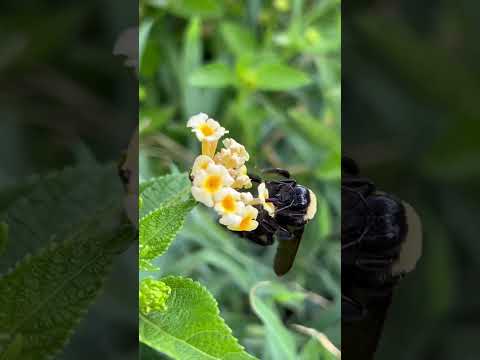
Bumblebees gather nectar and pollen for themselves and their young.
They do things a bit differently than honey bees when it comes to storing food and living together.
Their work as pollinators is absolutely essential for plants and, honestly, the whole ecosystem.
Nectar Collection and Storage
When bumblebees visit flowers, they grab nectar for energy.
They store it in a special part of their body called the honey stomach.
Unlike honey bees, bumblebees don’t make big honey stores.
They just create small nectar pots inside their nests to feed their larvae.
They also collect pollen, which is loaded with protein and helps their young grow strong.
You’ll see pollen stuck to their legs—it’s a key part of their diet.
If you want to help bumblebees, plant nectar-rich flowers and skip the pesticides.
That way, they’ll have plenty of food and a safer environment.
Differences Between Bumblebee and Honey Bee Colonies
Bumblebee colonies are a lot smaller than honey bee colonies—usually just a few hundred bees.
Honey bee hives can have thousands.
Honey bees build those famous honeycombs to store loads of honey.
Bumblebees, though, make simpler, looser nests and only keep small nectar stores.
Bumblebee colonies last for just one season.
Honey bee colonies can go on for years, thanks to their honey production.
Knowing these differences, it’s pretty clear why giving bumblebees honey isn’t a good idea—it’s just not their thing.
Pollination and Ecosystem Importance
Bumblebees work hard as pollinators, buzzing from flower to flower while they search for nectar and pollen.
They help out a ton of plants—everything from the crops on your plate to wildflowers that keep local ecosystems ticking.
Since bumblebees can fly in cooler or even rainy weather, they keep pollinating when other bees might call it quits.
But these fuzzy little workers face big threats. Habitat loss, pesticides, and climate change all chip away at their numbers.
If you want to help, try planting a variety of flowers and skip the harsh chemicals that harm pollinators.
Curious about how bumblebees shape the world around you? Check out the Bumblebee Behaviors and Their Impact on Ecosystems page.


