
If a bee stings you, you’ll want to act fast. It’s not just about easing your pain—there’s a chance you can help the bee, too.
Try to gently remove the stinger without squeezing it. That way, the venom sac stays behind and the bee might actually survive. This small move really matters for the bee, and it’ll reduce how much venom gets into your skin.

Once you get the stinger out, clean the area and use basic first aid to feel better. There’s something kind about helping yourself and the bee at the same time.
It feels good to know a few easy tricks that can make a difference for both of you.
What Happens When a Bee Stings You
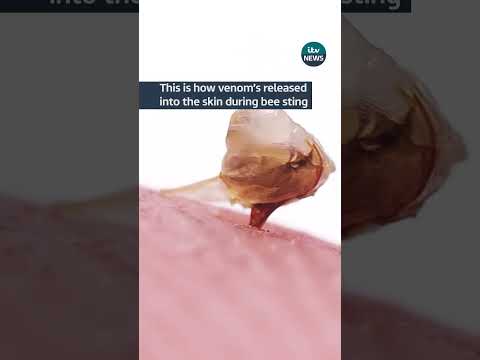
When a bee stings, a few things happen depending on the insect and its stinger.
You’ll probably notice pain, swelling, and redness as your body reacts to the venom.
If you know how different stings work, and why some bees die after stinging, you’ll know what to expect and how to handle it.
Differences Between Bee, Wasp, and Hornet Stings
Bee stings hurt because their barbed stinger injects venom. Wasps and hornets have smooth stingers, so they can sting you again and again.
Bees—especially honeybees—leave their stinger behind in your skin. That barbed stinger gets stuck, and sadly, the honeybee dies soon after.
Wasps and hornets don’t lose their stinger, so they can sting repeatedly.
Bee venom packs melittin, which brings the pain, itch, and swelling. Wasps and hornets have a different venom that can cause stronger reactions, but they don’t die after stinging.
Why Honeybees Die After Stinging Humans
When a honeybee stings, its barbed stinger gets stuck deep in your skin.
The stinger attaches to the bee’s abdomen with muscles and venom sacs.
As the bee tries to fly away, it tears part of its abdomen and that usually kills it.
The stinger keeps pumping venom into your skin for several seconds after it breaks off.
Only female worker bees have stingers—they’re modified egg-laying parts used for defense.
The queen bee almost never stings, and when she does, she keeps her stinger.
This sacrifice protects the hive, since the sting releases alarm pheromones that call other bees to defend the colony.
Role of the Stinger and Venom in Bee Defense
Bees use their barbed stinger to protect themselves and their hive.
When a bee stings, it injects venom to scare off threats.
The venom, full of melittin and other chemicals, causes pain, swelling, and itchiness.
Bees also release alarm pheromones to let other worker bees know there’s danger.
That’s how more bees show up to defend the hive.
The stinger and venom work together as a defense system, but for honeybees, stinging thick-skinned animals like humans usually means they don’t make it.
Other bees, like bumblebees or carpenter bees, have smooth stingers and can sting more than once.
How to Save a Bee and Safely Treat a Bee Sting

If you take care of the bee and treat your sting right, you help both yourself and the bee.
You’ll see how to remove the stinger, calm your skin, spot allergic reactions, and know when to get medical help.
Steps to Help a Bee After It Stings You
A bee usually stings because it feels threatened.
Honey bees lose their stinger and usually die soon after, but if the bee is still alive, try not to hurt it.
If you can, gently guide the bee away. Bees are super important for pollinating plants, so letting them fly off is the best move.
When you remove the stinger, do it quickly and carefully to cut down on pain and swelling.
The bee’s not out to get you—it’s just protecting itself.
Immediate First Aid for Bee Stings
After a sting, you’ll probably see the stinger still in your skin.
Scrape it out with something flat, like a credit card. Don’t pinch or squeeze it with your fingers or tweezers, since that can push more venom in.
Wash the spot with soap and water to avoid infection.
A cold pack or ice wrapped in cloth helps with swelling and pain.
You can try over-the-counter creams with lidocaine or benzocaine for itch relief.
If you raise the area, that can help with swelling too.
An antihistamine like Benadryl might ease itching and discomfort.
These steps usually work for mild stings.
Recognizing and Responding to Allergic Reactions
Most people only get mild symptoms from bee stings.
But sometimes, allergies can cause serious trouble.
Watch for these warning signs:
- Swelling that spreads past the sting
- Trouble breathing
- Swelling of your face, lips, or throat
- Feeling dizzy or faint
- Fast heartbeat
If you notice any of these, it might be anaphylaxis, which is life-threatening.
If you already know you’re allergic to bees, always keep an epinephrine auto-injector (EpiPen) close and use it right away if you get these symptoms.
Don’t wait around—get medical help fast for any severe reaction, even if you don’t feel that bad at first.
When to Seek Medical Attention
Call 911 or head to the emergency room if you:
- Struggle to breathe or swallow
- Feel faint or unusually weak
- Notice swelling spreading quickly
- Start having chest tightness or wheezing
- Get stung multiple times and react strongly
If the sting site looks infected—maybe it’s getting redder, warmer, swollen, or you see pus after a few days—go see a doctor.
Anyone with a history of severe allergic reactions shouldn’t wait around. Getting help right away really makes a difference.


