
Ever worried about getting stung by a bumblebee? You’re definitely not alone. These fuzzy little guys look harmless enough, but their sting can pack a punch—pain and swelling are pretty common.
For most people, a bumblebee sting isn’t very poisonous. You’ll probably just get mild irritation. But for folks with serious allergies, things can get dangerous.

Bumblebees usually sting to defend themselves. Unlike honeybees, they can sting you more than once.
Most people say the sting feels like a sharp pinch, then some swelling follows. It’s kind of like a mosquito bite, just more intense.
If you’re allergic, though, things can get serious fast. You might need medical help right away.
It helps to know what to expect if you ever get stung. That way, you’ll know how to handle it without panicking.
Let’s take a closer look at the risks, treatment, and when to get help.
How Poisonous Is a Bumblebee Sting?

When a bumblebee stings, it injects venom that causes pain and swelling. Your body’s reaction to the venom decides how bad things get.
Most of the time, it’s not dangerous unless you’re allergic. You’ll probably just feel a sharp sting and see some redness.
Serious problems? Not likely, unless you’re sensitive or allergic.
Venom Toxicity and Effects on Humans
Bumblebee venom isn’t very poisonous. It mostly just irritates the spot where you got stung.
The venom targets small blood vessels, which makes the area swell and turn red. Most people deal with mild discomfort and move on.
If you’re allergic, your body can overreact by releasing histamines. That can cause swelling in more places, itching, or hives.
In rare cases, an allergy can trigger severe symptoms. You’d need medical help right away.
But for most people, the sting is just a painful nuisance that goes away pretty quickly.
Local and Systemic Reactions
After a sting, you’ll probably notice swelling, redness, and pain right where you got stung. The swelling usually goes down in a few hours, maybe a day.
Sometimes the spot feels warm.
Some people get symptoms in other parts of the body, like headaches or dizziness. Rarely, trouble breathing or swelling in your face or throat can happen.
If that’s you, call for emergency help right away. These reactions are rare but can be serious for people with bee allergies.
Pain Level Compared to Other Bee Stings
Bumblebee stings hurt more than some other bee stings. Their smooth stinger lets them sting you multiple times.
Each sting brings more venom, so pain and discomfort might add up.
The pain is sharp but doesn’t last too long. Swelling and redness follow.
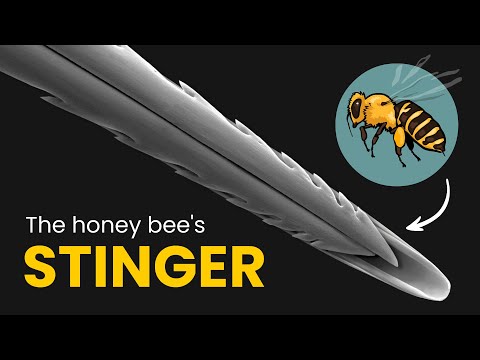
Compared to honeybees, which can only sting once because their barbed stinger gets stuck, bumblebees can sting several times. That means you might notice more pain if you run into an angry bumblebee.
Wasp stings can feel similar, though wasps often hurt even more right away.
Curious for more details? Check out how poisonous a bumblebee sting is.
Understanding Who Stings and Why
Bumblebees don’t sting just for fun. They’re mostly trying to protect themselves or their hive.
If you know which bumblebees can sting and why, you’ll have an easier time staying safe—and maybe appreciate them a little more.
Female vs. Male Bumble Bees and Stinging Ability
Only female bumblebees have stingers. The stinger is actually a modified egg-laying part.
When a female feels threatened, she’ll sting—sometimes more than once. Her stinger is smooth, so it doesn’t get stuck like a honeybee’s.
Male bumblebees can’t sting at all. They don’t have stingers.
Males mostly focus on mating and don’t defend the colony. If you spot a bumblebee on a flower and it doesn’t sting, there’s a good chance it’s a male.
Defensive Behavior and Triggers
Bumblebees sting to protect themselves or their nest. They won’t go out of their way to sting you.
Usually, they sting if you get too close or mess with their nest.
They’re not aggressive and would rather fly away.
Common triggers? Sudden movements near them, crushing or grabbing them, or disturbing their nest.
If you stay calm and give them space, you’re less likely to get stung. Bumblebees really only sting as a last resort.
Pollinating Flowers and Human Interaction
Bumblebees play a huge role as pollinators. When you see them on flowers, they’re busy collecting nectar and pollen.
They rarely sting while they’re working on flowers. Honestly, they’re just focused on feeding.
If you spot bumblebees in your garden, try not to touch them. They might sting if you trap them or move too quickly.
It’s best to watch them do their thing from a distance—they’re helping your garden, after all.
Pest Control and Safety Tips
Bumblebees aren’t really pests. They actually help plants by pollinating flowers.
Still, if a nest pops up in a tricky spot near your house, it’s smart to keep your distance.
For safety:
- Try not to mess with nests.
- Put on light-colored clothes when you’re outside.
- Skip strong perfumes or scented sprays.
- If a bumblebee comes close, just move away slowly.
If you need help with pest control, reach out to professionals who know how to move bumblebees safely. That way, you stay safe and the bees do too.
You can check out more about bumblebee stings at biologyinsights.com/how-bumblebees-sting. For tips on giving them space, visit pestsexterminators.com/bumblebee-safety.


