
Ever wondered if bees actually like being touched? Well, the answer’s pretty straightforward. Bees don’t enjoy being touched and will usually just fly away instead of reacting aggressively.
They’re sensitive to touch, sure, but unlike a cat or dog, they don’t seek out physical contact or find it comforting.

Inside the hive, bees use touch to share important info, but that doesn’t mean they want humans handling them. If you try to touch a bee, it’ll probably just see you as a threat and slip away quietly.
Getting how bees feel about touch helps you respect their space. It also keeps both you and the bees safe.
Learning about their touch sensitivity gives you a peek into how these tiny creatures live and work together.
Curious about how bees use touch or what happens if you try to interact with them? Stick around.
Do Bees Like Being Touched?

Bees use touch to communicate and figure out their world. But when it comes to people, they’re not really fans of being touched.
How a bee reacts depends on the type and the situation. If you ever try to touch one, it’s good to know what to expect.
Natural Reactions to Human Touch
Usually, if you touch a bee, it just flies off quietly. Unlike some bugs that might snap or bite, bees usually want to avoid trouble.
Honey bees and bumblebees don’t enjoy being handled or petted. It stresses them out.
Their delicate hairs and sensors pick up vibrations and pressure. Touching them can feel threatening.
This makes them nervous, but they don’t usually sting right away. Bees only sting if they feel really threatened.
Are Some Bees More Tolerant Than Others?
Not every bee reacts the same way. Honey bees tend to be calmer and might tolerate a gentle, slow touch for a moment.
Bumblebees are bigger and sometimes a bit more tolerant, but they’d still rather be left alone.
Worker bees use their antennae to explore, making them sensitive to touch there. Queen bees are rarely touched by humans and are even less tolerant, since the whole colony depends on them.
If you move slowly and understand bee behavior, you’re less likely to upset them. Quick or jerky movements can make bees anxious.
Potential Risks When Touching Bees
Touching bees isn’t risk-free. The main risk is getting stung.
Bees sting when they feel they have to protect themselves or the hive. Stings hurt, and some people are allergic.
Even though bees often just fly away, a sudden or rough touch can make them sting. Honey bee stings leave behind a stinger that keeps pumping venom.
Try not to crush bees, since that’ll make them defensive and more likely to sting.
If you do handle bees, wear light-colored clothes and move gently. Learning how bees use touch and vibrations to communicate can help you avoid problems.
For more on this, check out the detailed guide on how bees use touch to communicate.
How Bees Perceive Touch and Human Interaction
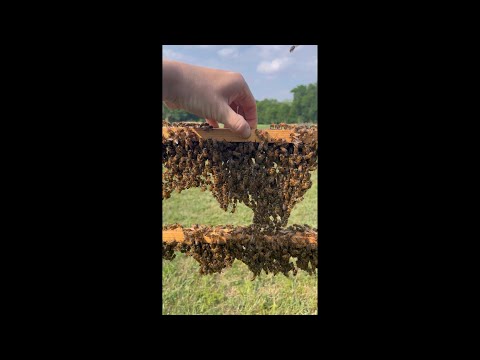
Bees rely on their sense of touch for a lot—communicating, working together, and just getting around in the hive. Their bodies can pick up tiny vibrations and movements.
When you touch a bee, it senses it through special parts of its body that detect pressure and motion.
Bee Sensory Systems and Sensitivity
Bees have tiny sensors called sensilla on their antennae, legs, and body. These let them feel vibrations, pressure, and even little changes in air movement.
Since bees don’t have ears like us, these sensors are how they “hear” and sense the world.
Their antennae matter most. When bees touch each other’s antennae, they pass along info.
This sense of touch helps them find food, dodge danger, and communicate in the dark hive. Bees can even feel magnetic fields, which helps them find their way.
Bee Communication Through Touch
Touch is one of the main ways bees communicate. You might’ve heard of the waggle dance—a move bees do to show others where food is.
But touch is a big part of it too.
Bees tap each other or use their antennae to send messages. These touches can mean food, danger, or changes in the hive.
This silent language is crucial for their teamwork and survival. Delicate antennal touches can even show if a bee feels alert or calm.
Differences Between Species: Honey Bees vs. Bumblebees
Not all bees use touch in the same way. Honey bees rely a lot on antennal contact and vibrations in their crowded hives.
Their communication is pretty organized.
Bumblebees act a bit differently. They don’t do the waggle dance, but they use touch to find flowers while they’re pollinating.
Bumblebees are fuzzier and bigger, which changes how they interact. Their touch helps them tell each other where to find pollen and nectar on their foraging trips.
Impact on the Bee Colony
Touch shapes how a bee colony functions. When bees share info by touching each other, the whole hive finds out where to get food or if there’s danger close by.
This keeps everyone in the hive safer and healthier. If someone handles bees roughly or stresses them out, they’ll probably get defensive.
But if you interact with bees calmly and gently, they start to get used to humans. That’s especially true for beekeepers.
If you understand how bees experience touch, you’re more likely to treat them with respect. It’s a small thing, but it helps support their role in pollination and the bigger picture of nature.
Curious about how bees use touch to communicate? Or maybe you want to dive into their sensory systems.


