
Most insect bites are just annoying and usually heal up on their own. Still, sometimes a bite turns into a bigger problem that really needs a doctor’s help.
Go see a doctor if your bite looks infected, triggers an allergic reaction, or if you just feel really unwell afterward.

Watch out for things like spreading redness, swelling, pus, fever, or trouble breathing. These could mean your bite isn’t just a simple itch.
Being aware of these symptoms can help you catch serious issues early and, honestly, just get you feeling better sooner.
If you’re not sure whether your bite needs medical help, let’s walk through what to look for and when to call a healthcare provider. It’s usually better to be safe than sorry with bug bites.
When to See a Doctor About an Insect Bite

You don’t need a doctor for every insect bite, but some bites can cause real problems like infections or allergic reactions. It helps to pay attention to certain symptoms so you know when to get medical care.
Warning Signs That Need Immediate Medical Attention
If you have trouble breathing, swelling in your face or throat, hives, or chest tightness after a bug bite, get medical help right away. These symptoms point to a severe allergic reaction called anaphylaxis.
Other urgent signs include nausea, vomiting, dizziness, or fainting. When your body reacts this strongly, you might need treatments like epinephrine or steroids.
If a bite causes sharp pain, swelling, or redness that spreads along your skin, seek care immediately. These could show a serious infection or allergic response.
If you feel really sick, with fever, chills, or a racing heartbeat, call emergency services.
Symptoms of Infection After an Insect Bite
An infected bite usually gets more painful, red, and swollen as time goes on, instead of getting better. Look for red streaks moving outward from the bite, pus or drainage, and sores or blisters nearby.
You might find swollen lymph nodes close to the bite, like in your armpits or neck. If you get a fever or chills, the infection could be getting worse.
Doctors see a lot of cellulitis, which is a deeper skin infection, and impetigo, which causes contagious sores. Antibiotics can stop these infections before they get out of hand.
Complications From Infected Insect Bites
Leaving a bug bite infection untreated can lead to serious trouble like lymphangitis (inflammation of the lymph vessels) or even sepsis, which is life-threatening.
You may notice skin discoloration or hardening that keeps spreading from the bite. These signs mean the infection has gone deeper.
If you have swelling that won’t go away, sores that won’t heal, or the area feels warm and tender, get checked out for stronger treatment. Most infected bites need antibiotics to prevent things from getting worse.
Tick Bites and Lyme Disease Risks
Ticks carry bacteria that can cause Lyme disease, and symptoms might not show up for weeks. The first sign is often a bullseye-shaped rash that spreads around the bite.
Other early signs include fever, chills, headache, tiredness, and muscle aches. If you don’t treat Lyme disease, it can affect your joints, heart, or nervous system.
If you find a tick stuck to your skin, remove it gently with tweezers and watch for symptoms for a few weeks. Go to a doctor if you see a rash or start feeling flu-like after a tick bite. Antibiotics can keep Lyme disease from getting worse.
For more info on when to see a doctor for a bug bite, check out When Should You See a Doctor for a Bug Bite.
Managing and Preventing Reactions to Insect Bites
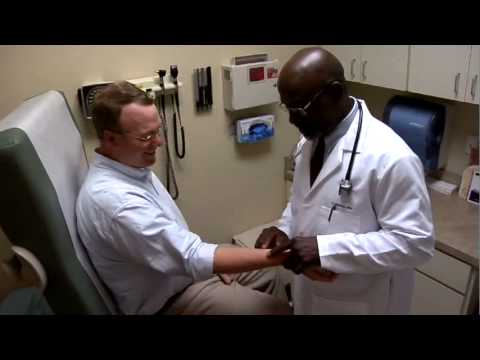
You can treat most bites at home with simple care. Watching for signs of allergic reactions can help you avoid bigger problems.
Taking steps to keep bugs away matters, especially if you know you’re sensitive or have reacted before.
At-Home Treatments for Minor Bites
Start by washing the area with soap and water. That lowers the risk of infection.
Over-the-counter antihistamines like Benadryl help with itching. A cold pack or some ibuprofen can ease pain and swelling.
Try not to scratch—the last thing you want is an infection that needs antibiotics. Calamine lotion or hydrocortisone cream can also calm the itch.
Keep the bite dry and uncovered unless your doctor says otherwise.
Allergic Reactions: What to Watch For
Some bites can cause allergic reactions that need a doctor’s attention. Look for hives, swelling that spreads beyond the bite, nausea, or vomiting.
If you have trouble breathing, chest tightness, or swelling in your face or throat, get emergency care. These are signs of anaphylaxis, and it’s nothing to mess around with.
If you see redness spreading, warmth, or pus, you might have an infection. In that case, a doctor can prescribe antibiotics.
Prevention Tips for Bug Bites
Honestly, one of the best ways to dodge bug bites is to use insect repellent with DEET. Just follow the instructions and put it on your skin and clothes.
I always recommend wearing long sleeves and pants, especially at dawn and dusk—those times when bugs seem to come out of nowhere.
For extra peace of mind, treat your clothes and gear with permethrin. It’s a bug-killing chemical that really adds another layer of protection.
If you can, steer clear of spots with standing water or thick brush. That’s where bugs love to hang out.
After spending time outside, check yourself for ticks. It’s a simple step that can help you avoid some nasty diseases.
Keeping your yard neat and clearing out bug hotspots makes a difference. It really lowers your chances of getting bitten.


