
Bees seem pretty tough, right? They protect their hives and make honey. But honestly, they’ve got some real weaknesses you should know about.
Their biggest weakness is how vulnerable they are to pesticides, diseases, and parasites. These threats can mess with their health and sometimes wipe out entire colonies. It’s rough out there for bees, and these dangers make their work for plants and food way harder.
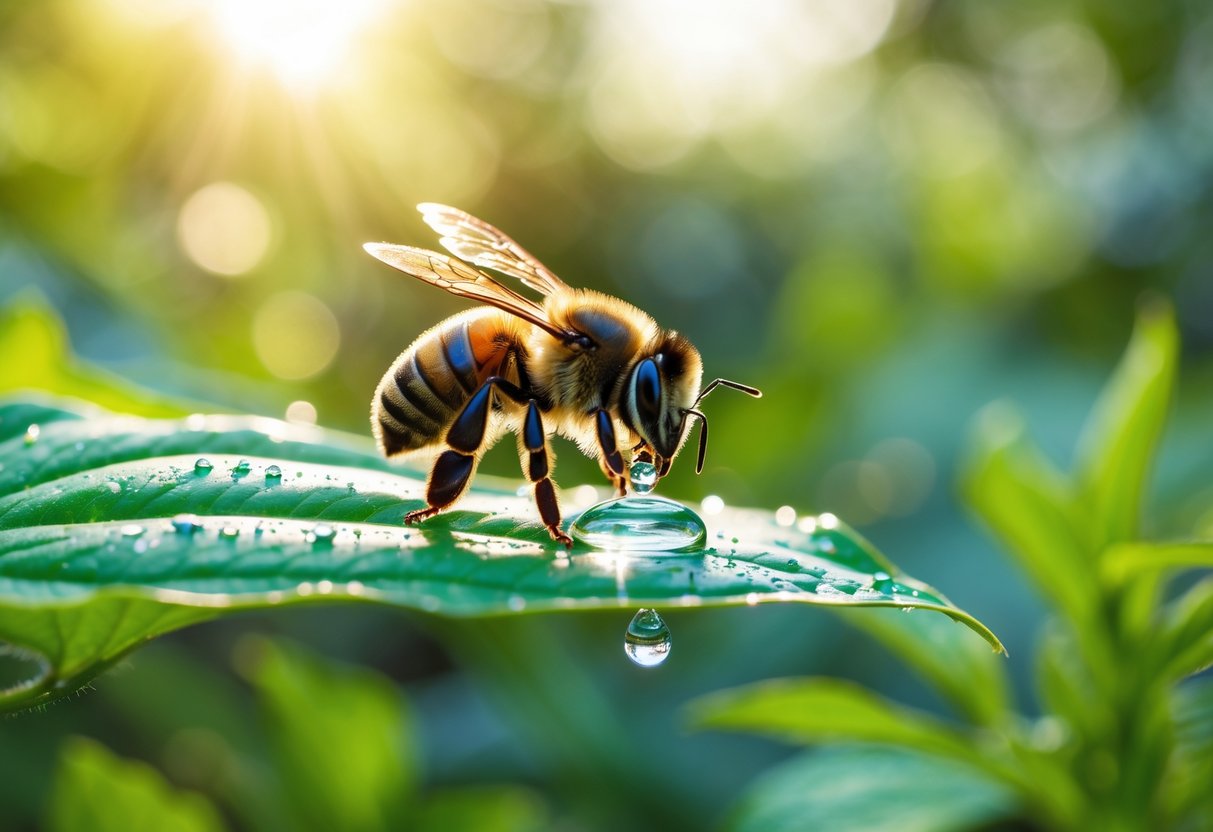
You’ll probably notice bees react a lot to changes in their environment. When they lose habitat or food sources, they have a tough time finding enough flowers.
Some bees even have genetic weaknesses, like being more likely to catch certain diseases.
If you know what hurts bees, you can actually help protect them. Learning about their struggles kind of makes you realize why they need a hand to keep pollinating the plants we count on.
For a deeper dive into what threatens bees, check out this overview of key threats to bees.
Main Weaknesses of Bees
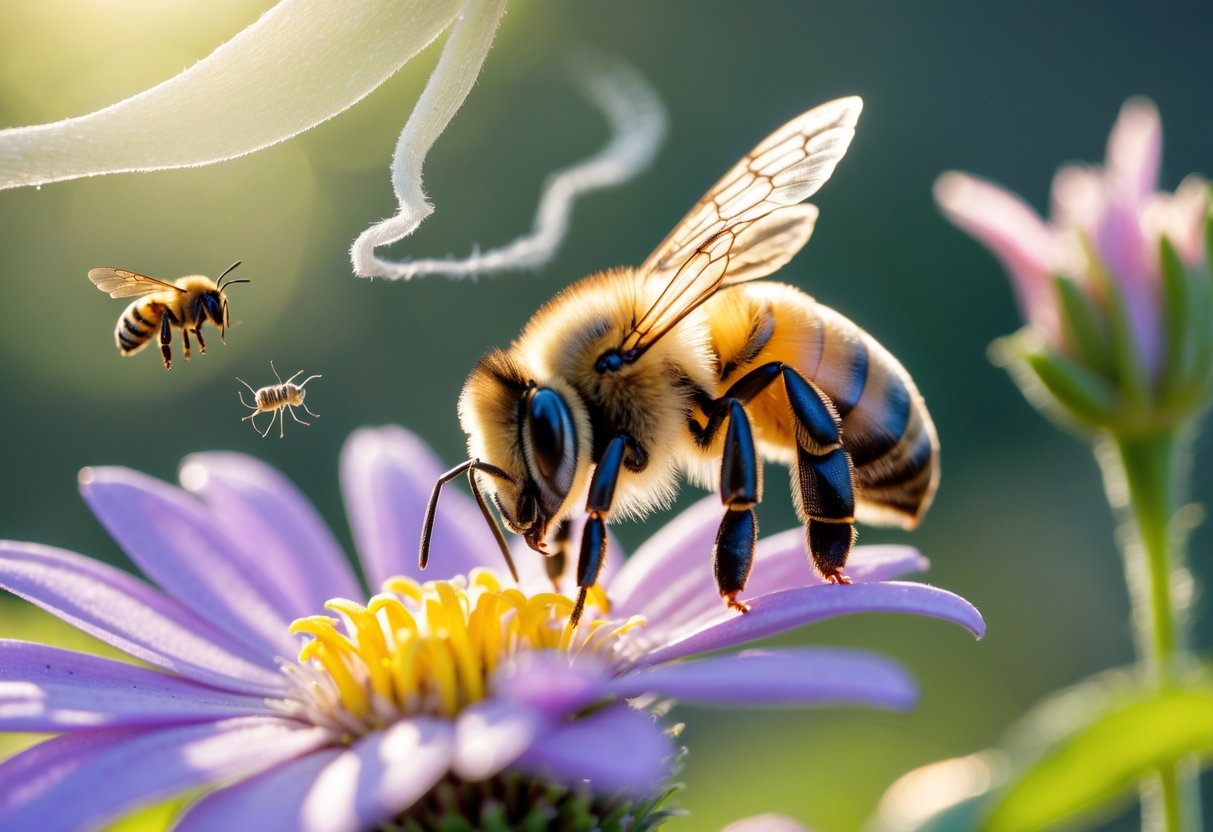
Bees run into a lot of problems that mess with their strength and survival. Some things attack their bodies, while others just make it hard to find food or keep the hive safe.
Let’s break down what makes bees vulnerable.
Vulnerability to Parasites and Mites
Tiny parasites called varroa mites are a huge headache for honey bees. Varroa destructor mites latch onto bees and suck their blood, which weakens them and shortens their lives.
Varroa mites also spread nasty viruses that really hurt bee health.
There’s another parasite—the tracheal mite (Acarapis woodi). This one crawls into a bee’s breathing tubes, making it harder for them to get enough air. Energy drops, and sometimes the bee just doesn’t make it.
Both mites can sweep through a hive fast, wrecking entire colonies if you’re not careful.
You’ve got to keep mite numbers down. If they get out of control, bees weaken, struggle through winter, and might not survive at all.
Want to know more about mites? Here’s a good resource: learn more about mites.
Susceptibility to Diseases
Diseases hit honey bees pretty hard. Nosema disease comes from microscopic fungi that infect a bee’s gut. That infection messes with digestion and weakens the whole colony.
Bacterial infections like American foulbrood and European foulbrood attack bee larvae, so hives can’t replace lost workers as easily.
Other fungal diseases, like chalkbrood, spoil larvae and knock down colony strength.
Mites also spread viral infections. Viruses like deformed wing virus and chronic bee paralysis virus cause deformities or paralysis, which shortens bee lives and hurts productivity.
Treatments exist—people use things like fumagillin for nosema—but honestly, keeping hives strong and healthy in the first place is your best bet.
If you’re curious about bee diseases, here’s more info: read more on bee diseases.
Impacts of Pesticides and Insecticides
Pesticides on crops can be a real disaster for bees. Insecticides, especially neonicotinoids, mess with bees’ brains and make it tough for them to find food or get back to the hive.
Pesticides also weaken bees’ immune systems, so diseases and parasites have an easier time taking over.
When your garden or local farms use GMO crops and heavy pesticides, bees lose food sources and sometimes get poisoned.
Cutting back on pesticides and planting bee-friendly flowers really helps your local bees stick around.
If you want more details on how pesticides hurt bees, check this out: details on pesticide impact.
Predators, Environmental Stresses, and Hive Threats
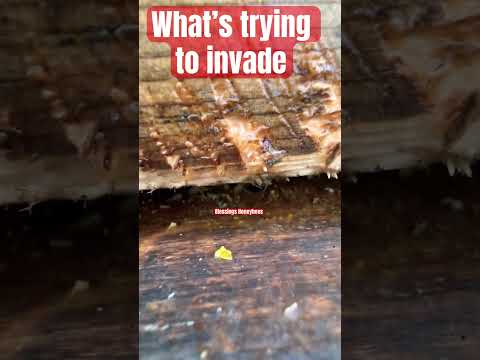
Bees have to deal with a lot. Predators, weird weather, and even stuff inside their own hives can cause problems.
Knowing about these challenges helps you figure out how to protect your bees.
Predatory Insects and Animals
Some insects and animals just love raiding bee colonies. Wasps, giant Asian hornets, and ants storm hives to steal honey or larvae.
Wasps and hornets can kill a ton of worker bees and leave the hive pretty weak. Ants sneak in for honey, too, and stress out the whole colony.
Bigger animals like bears and some birds also go after hives for honey and bees. Bears, in particular, can be super destructive—they just smash their way in.
To keep these predators out, people use strong hive stands or even electric fences.
Small pests like the small hive beetle (Aethina tumida) burrow into hives, ruin comb, and spread disease. Beetles multiply fast and can destroy a hive if you don’t catch them early.
Environmental Challenges for Colony Survival
Bees are super sensitive to environmental changes. Climate change brings weird weather, which messes with flowering plants and nectar supplies.
Extreme heat or cold stresses bees out, slows them down, and can hurt their health. Harsh winters sometimes kill a lot of worker bees and even the queen bee, putting the whole hive at risk.
When land use changes or habitat disappears, bees lose safe places to forage. Not enough flowers means less honey and less pollination for crops.
Stress like this can lead to Colony Collapse Disorder, where most bees just vanish and leave the hive empty. It’s kind of scary, honestly.
Threats Within the Hive
Inside your hive, pests like wax moths and hive beetles can eat combs and stored honey. These pests end up damaging the colony’s structure.
Wax moth larvae tunnel through the wax. They weaken the hive physically, and it can be a real headache.
Mice sometimes invade hives during colder months. They cause damage and scare worker bees, which nobody wants.
You can block entrance holes and use mouse guards to help keep mice out.
If you keep your hives clean and check them regularly, you’ll spot these threats early. That’s honestly half the battle.
Some folks use vegetable oil on hive parts to deter beetles. It’s a natural trick that avoids harsh chemicals.
Just keep a close eye on things and act fast. That’s how you’ll protect your colony from all sorts of trouble.


