
Thinking about starting a beehive in your garden? You might be wondering if you need permission before you invite those buzzing neighbors in.
Honestly, it depends on where you live—some places want you to get permits, while others just ask you to follow a few basic rules or maybe give your neighbors a heads-up.

A lot of cities and states allow beekeeping, but they do set out some guidelines to keep both the bees and your neighbors happy. Most of the time, you don’t need a license just to keep bees, but you might need to register your hive or have it inspected to make sure things are running smoothly.
Knowing the rules up front helps you dodge headaches and makes beekeeping a lot more fun. Laws can vary wildly, so it’s smart to double-check what’s required in your area before you bring in your first bees.
If you want more details about when you need permission and how to do it right, check out local regulations and advice on beekeeping laws and permits.
Understanding Permission and Legal Requirements for Beehives

If you want to start a beehive, you’ll need to know the rules where you live. These rules usually cover local laws, permits, hive placement, and how your neighbors or community might react.
Getting familiar with these details helps you keep bees safely and legally.
Local and State Beekeeping Regulations
Beekeeping laws can feel all over the place—sometimes they change from one town to the next. Some places ask you to register your hive with the local ag department or follow certain safety rules.
Others want you to keep your bees a specific distance from public spaces or your neighbor’s yard.
You should check your state’s beekeeping regulations before you dive in. These rules tell you about hive limits, health standards, and your responsibilities to protect both bees and people.
For example, some states want annual inspections to make sure your hive stays healthy.
These laws protect your bees and everyone around you. You can dig up more details with a guide like Beekeeping Laws for Beginners.
Hive Registration and Permitting
Lots of places ask you to register your beehive with local authorities. Registration helps track bee health and control disease outbreaks.
Some areas also want you to get a permit before you set up a hive at home.
Usually, you’ll need to give your contact info and the hive’s location. Permits might include fees or require follow-up inspections.
If you skip registration, you could get fined or be told to remove your hive.
Always check your city or county’s rules first. If you’re not sure about permits or registration, local beekeeper groups or ag offices can help you out.
Doing things by the book makes you part of the responsible beekeeping crowd.
Zoning Laws That Affect Beehive Placement
Zoning laws decide where you can put your beehive on your property. These rules are there to keep bees away from busy spots and too close neighbors.
You’ll usually see rules about keeping hives a set distance from property lines, sidewalks, or schools. Some zones ban beekeeping in certain neighborhoods.
Others might want you to put up barriers so bees fly up and away from people.
Knowing your local zoning laws means you’ll stay legal and keep your neighbors safer. If you’re unsure, contact your local zoning office for the details.
Homeowner Associations and Neighbor Considerations
If you live in a neighborhood with a Homeowner Association (HOA), you might need their permission before you set up a hive. Some HOAs have strict rules that limit or ban beekeeping.
Even if your HOA doesn’t have rules, talking with your neighbors first is a smart move. Letting them know what you’re planning can help avoid any drama or complaints.
You can work with your HOA or neighbors by explaining how you’ll manage the bees safely and keep things tidy. This helps build trust and makes it easier for everyone to get along.
If you want advice on permissions and neighbor relations, check out Do You Need Permission to Have a Beehive in Your Garden.
Practical Steps and Best Practices When Setting Up a Beehive
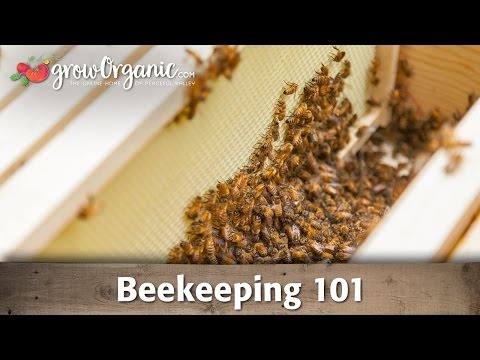
Setting up a beehive the right way means thinking about where you’ll put it, following the rules, and using the right gear to keep everyone safe. If you pay attention to these details, your hive has a much better shot at thriving.
Choosing a Suitable Location for Your Hive
Pick a spot where your bees can easily find food and water. Look for a place with plenty of sunlight—at least six hours a day is ideal—and good airflow to keep things dry.
Avoid areas near busy paths or where kids and pets play a lot. Try to protect the hive from strong winds and curious animals by using fences or natural barriers.
Make sure the ground is flat and sturdy so your hive doesn’t tip over. If you can, point the entrance away from direct wind.
This helps bees come and go easily and keeps the hive steady.
Registering and Maintaining Your Bee Colony
In lots of places, you’ll need to register your beehive with local authorities. Registration helps track diseases and keeps tabs on bee populations nearby.
Check what your local rules say about permits for beekeeping. It’s also a good idea to keep records about your colony’s health and any hive inspections you do.
Regular maintenance means checking for pests, watching out for diseases, and making sure your bees have enough food. Staying on top of these things keeps your bees happy and productive.
Protective Gear and Equipment Needs
You really need to wear a proper bee suit if you want to stay safe around bees. Usually, this means putting on a full-body suit, gloves, plus a veil that covers your face and neck.
Most beekeepers pick up a smoker to calm their bees before they open the hive. You’ll also want a hive tool—it lets you open and move hive boxes without messing anything up.
The right gear makes hive work easier for you and less stressful for the bees. Honestly, it just feels better when you know you’re protected.
If you’re curious or want more tips on setting up a hive, take a look at this comprehensive beehive setup guide.


