
Ever wondered what actually makes a queen bumble bee different from a regular bumble bee? You’re definitely not alone there. Figuring out the difference can give you a better sense of how these little creatures work together to keep their colony buzzing along.
The main thing? The queen bumble bee’s job is to start and reproduce the colony. The regular bumble bees, or workers, mostly gather food and take care of the nest.
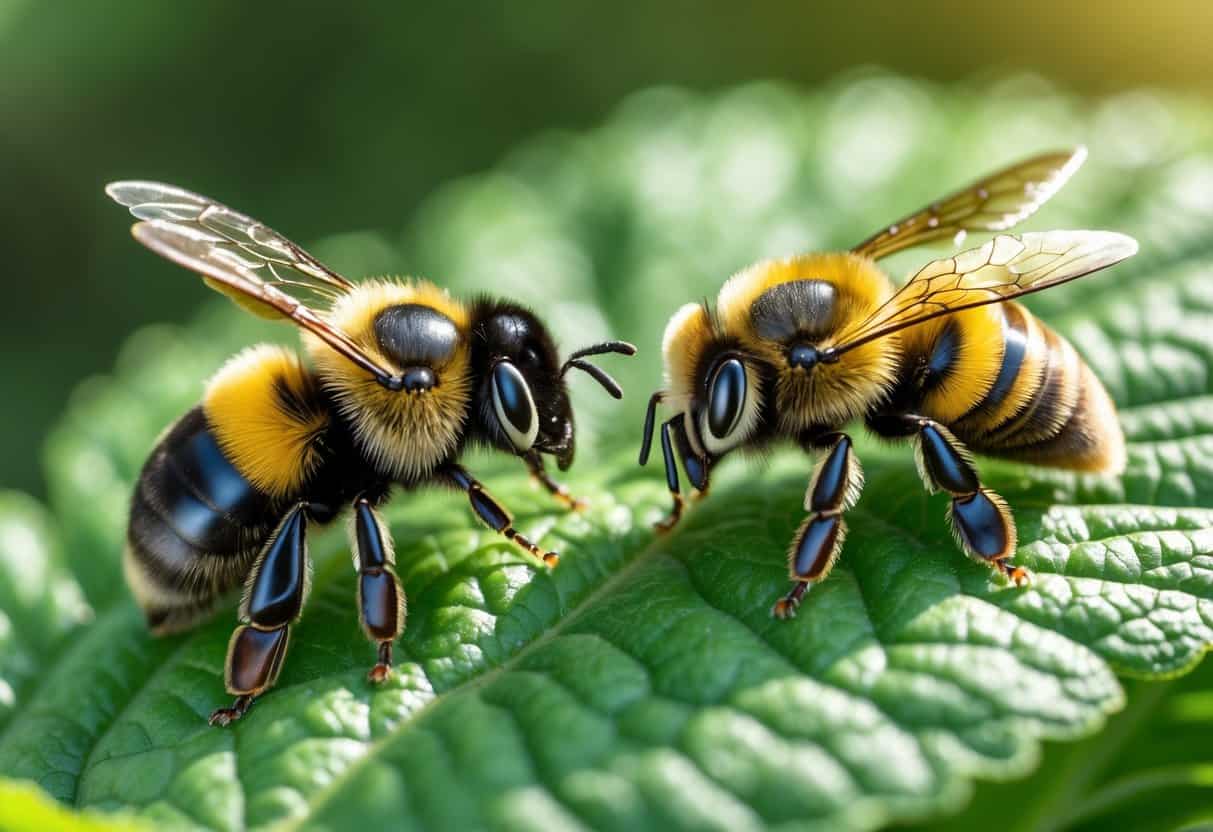
You’ll usually notice that queens are bigger and stick around longer because they need to lay eggs and get the hive going. Workers, on the other hand, are smaller and handle other stuff—like protecting the hive and collecting pollen.
It’s kind of amazing how each bee does its part to help the whole group survive.
If you’re curious about how queens and workers differ in size, color, and behavior, stick around. There’s a lot of cool stuff to learn about these summer garden visitors.
Key Differences Between a Queen Bumble Bee and a Worker Bumble Bee
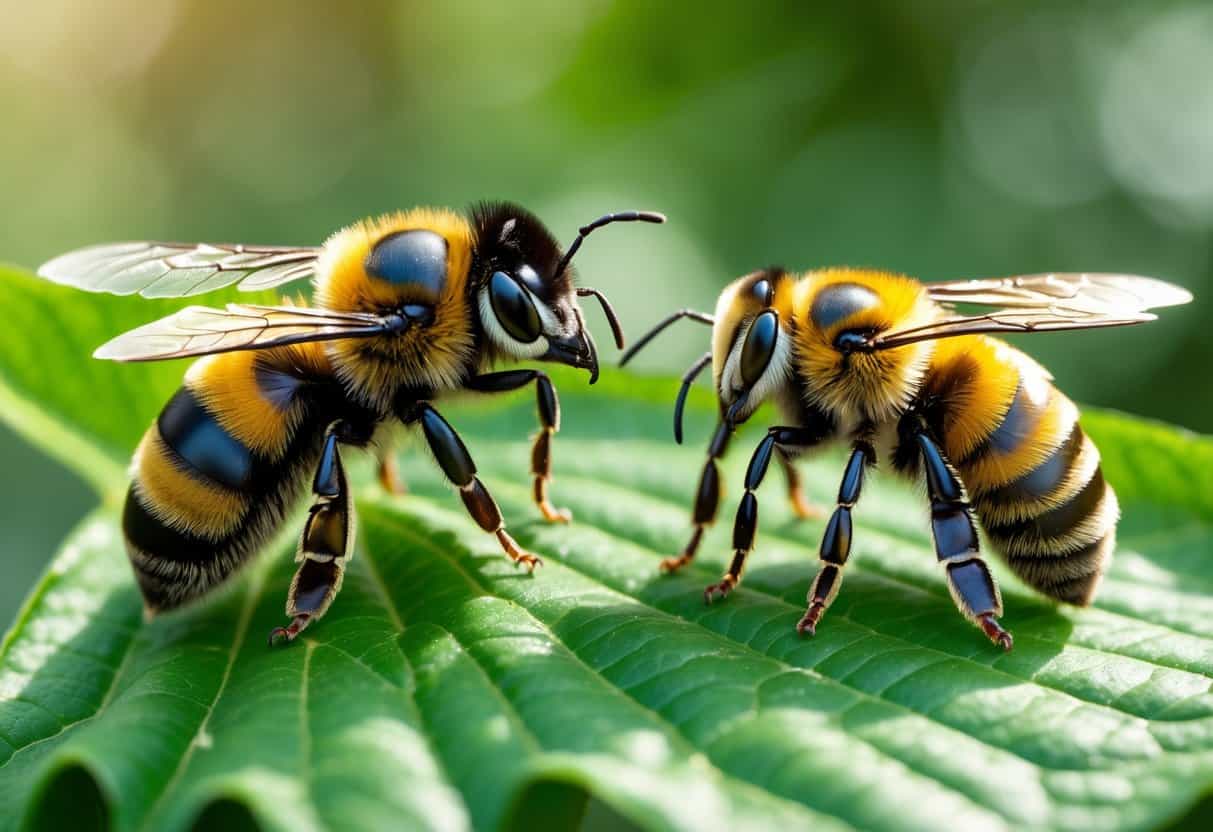
You’ll spot some pretty big differences between queen bumble bees and worker bees—especially in size, job, and how they act. Each one has a special job in the colony, and together, they keep things running.
Physical Size and Appearance
The queen bumble bee stands out because she’s bigger than the workers. She’s got a large, round abdomen that lets her carry and lay lots of eggs.
You can sometimes pick her out just by her size.
Worker bees are smaller and more nimble. Their bodies are built for flying long distances to grab nectar and pollen.
Both queens and workers have those cool compound eyes, but if you look closely, their shapes and sizes are a bit different. Queens also have a thicker thorax, which holds the strong flight muscles she needs early in the season when she starts the hive.
Primary Roles in the Colony
The queen bumble bee mainly lays eggs and gets the colony started. She’s basically the mother of most of the bees in the hive.
Without her, the whole colony just wouldn’t make it.
Worker bees handle a lot of jobs. They collect food from flowers, build and clean the hive, and protect it from predators.
Workers rarely lay eggs, and if they do, those eggs usually don’t become new queens. Think of workers as the busy helpers who keep everything in order.
Reproductive Abilities
Only the queen bumble bee lays fertilized eggs that can turn into new female bees—queens or workers. She mates just once early on and stores enough sperm to last for months.
This ability is crucial for the colony’s future.
The queen releases pheromones that stop workers from being able to reproduce. These chemical signals keep the workers from laying fertile eggs.
Sometimes, workers lay unfertilized eggs, and those become male drone bees. Still, the queen’s control keeps the colony focused on her reproduction.
Behavioral Differences
The queen bumble bee mostly stays inside the nest. Early in the year, you might spot her flying out to find a nesting spot and feed herself.
But once the colony gets going, she rarely leaves.
Worker bees are always on the move. You’ll see them flying out to collect nectar and pollen, defending the colony, and taking care of the young.
They use body movements and pheromones to share info about food or danger.
So, while queens focus on laying eggs and starting the colony, workers keep the hive alive and busy.
Lifecycle and Function in the Hive
Queen bumble bees play a unique role compared to worker bees. They start life in a different way and have special jobs throughout the year—from mating to starting a new colony.
Their actions really shape how the hive grows and survives.
How Queen Bumble Bees Are Created
Queen bumble bees start as larvae that get extra food and attention compared to workers. They don’t get royal jelly like honey bees, but they do get more nourishment.
This extra food helps them grow bigger and develop the organs they need to lay eggs.
After mating in late summer or early fall, the queen stores sperm inside her body. Later, she’ll use this to lay fertilized eggs.
Worker bees stay female but can’t reproduce. They just support the hive instead.
So, only the queen can produce new workers and future queens.
Seasonal Duties and Hibernation
The queen’s main work begins after hibernation, which can last from 6 to 9 months depending on the weather. She wakes up alone in early spring, hungry and ready to start a new colony.
While workers gather pollen and nectar, the queen focuses on laying eggs and helping the colony grow.
During hibernation, she survives on stored energy to make it through the winter. This is actually the longest stretch of her life.
Unlike worker bees, she doesn’t go out to forage until there are enough workers to help her.
Nesting and Colony Establishment
So, you find a decent spot—maybe an old rodent burrow or a pile of leaves—and get to work on your nest. You lay eggs in these small wax cells, then feed the young larvae with pollen and nectar you collected earlier or just gathered yourself.
The first eggs hatch into workers. They’ll start foraging and defending the hive, which means you finally get to stay inside and focus on laying more eggs. The colony grows, but it’s only around for one season. Bumble bees don’t stick to the same home year after year—every season brings a fresh start.
You don’t bother with honeycomb like honey bees do. Your nest is much smaller, and you usually have fewer than 500 bees buzzing around. As queen, your main job is just to keep things running until you’ve raised new queens and males to mate and keep the whole cycle going.
For more about queen bumble bees and how their lives unfold, check out this detailed guide.


