
So, you’ve found a bee’s nest tucked away in your roof. That can feel pretty stressful—maybe even a little scary, right? You might be asking yourself if you should get rid of it right away or just leave it alone.
Honestly, it depends on your situation. If these bees pose a danger to you, your family, or your home, you really do need to remove the nest safely.

Bees play a huge role in nature, so you shouldn’t harm them unless you absolutely have to. Still, a nest that close can create health risks—especially if someone nearby is allergic—or even damage your home.
It helps to know what to look for and how to protect your space. That way, you can make a decision that works for both you and the bees.
You’ll find out what signs matter, how to keep your home safe, and what options you have for handling bees without panic or guesswork.
Should You Remove a Bees Nest in Your Roof?

When you’re deciding whether to remove a bee’s nest from your roof, you need to weigh the safety risks, the value of bees, and clear signs that removal might be necessary.
Understanding how bees behave and what dangers they could bring helps you make a better choice.
Evaluating Safety and Health Risks
Bees can get pretty protective of their home, so stings are a real worry—especially if anyone in your house is allergic. If the nest is in a spot where people or pets pass by a lot, the risk of stings goes up.
A big bee infestation can damage your roof. Nests might block vents or trap moisture, which can eventually cause structural problems.
If the nest sits close to living spaces, it’s a bigger safety and health risk. You really shouldn’t ignore that.
Keep kids and pets away from the area if you can. If you’re not sure about the risk or you just don’t feel safe, it’s smarter to call a professional.
Ecological Benefits of Roof Bees
Bees are super important pollinators. They help plants, fruits, and veggies grow, and honestly, they keep a lot of our food supply going.
Roof bees usually don’t cause harm if you leave them alone. Removing their nest when it’s not needed can hurt local bee populations, which already face enough threats from pesticides and habitat loss.
If the bees aren’t putting your home or health at risk, maybe try to live alongside them. You can also look for ways to prevent future nests.
Signs That Bee Nest Removal Is Necessary
Certain signs make it pretty clear you should consider removing the nest. Watch out for:
- Repeated bee stings around your home
- More bees inside living spaces or near windows
- Roof damage or leaks that seem linked to the nest
- Allergic reactions from anyone visiting or living there
If you hear constant buzzing inside your roof or see lots of bees coming and going, it’s probably time to do something.
You’ll want to handle removal carefully to avoid hurting the bees or making them aggressive. Try natural repellents or seal up entry points after the bees are gone to keep them from coming back.
If you’re not sure what to do, getting expert help is always a solid move.
For more on safe removal, check out this expert guide on how to stop bees nesting in roofs.
Safe and Effective Ways to Get Rid of Bees Nests in the Roof
Dealing with a bees nest in your roof calls for care—for you and for the bees. You want to get rid of the nest safely, but you don’t want to risk stings or damage your house in the process.
You’ve got professional options, a couple of DIY methods, and some ways to keep bees from coming back.
Contacting a Professional Beekeeper or Bee Removal Service
Calling a beekeeper or a bee removal service is usually your safest bet. These folks show up with the right tools and gear, and they know how to get the job done without hurting the bees or you.
They often relocate the bees instead of killing them, which is honestly better for the environment.
Pros can track down the exact spot of the nest and remove it without wrecking your roof. When you hire a beekeeper or pest team, you cut down the chance of stings and make sure the job’s finished.
This route works best if the nest is big or tough to reach.
Overview of Professional Bee Removal Methods
A pro usually starts by inspecting your roof to find the nest and figure out how big it is. Then, they use safe, non-toxic methods or special vacuums to collect the bees.
Some services calm the bees with smoke or repellents. Once they remove the bees, they’ll clean up and seal entry points so new nests don’t show up.
This careful approach protects your home and lowers the odds of more bee problems later.
Humane DIY Approaches (Only if Absolutely Necessary)
If you’re set on handling the nest yourself, only try it if it’s small and you feel confident. Wear thick gloves, a veil, or a hat to keep your face safe.
Evening or early morning is best, since bees are less active then.
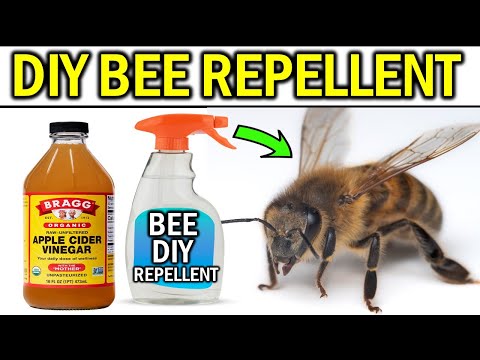
You could try a gentle, natural bee repellent or use smoke to nudge the bees out. Never go for harsh chemicals or pesticides—they’re bad for bees and people.
After you’ve removed the nest, seal up the spot so bees don’t come back.
Preventing Future Bee Nest Infestations
If you want to keep bees from nesting again, you’ll need to stay on top of roof and home maintenance. Seal up any cracks, holes, or weird little entry points you spot—especially near vents, chimneys, or those tricky gutters.
Try to keep your attic dry and clean. Bees seem to love dark, quiet corners, so don’t give them an easy invitation.
Check your roof and attic regularly. That way, you might catch a nest before it becomes a real headache.
Some folks plant flowers farther away from their house. It’s a simple trick, but it can help draw bees elsewhere.
All these steps make it a lot less likely that bees will decide your roof is their next home.
For more tips on safe removal, see Stop Bees Nesting in Roofs with This Expert Guide.


