
If you spend much time outdoors, you’ve probably wondered: are you more likely to get stung by a bee or a wasp? It honestly depends on where you are and what you’re up to, but in general, wasps are more likely to sting you because they act more aggressively and can sting again and again.
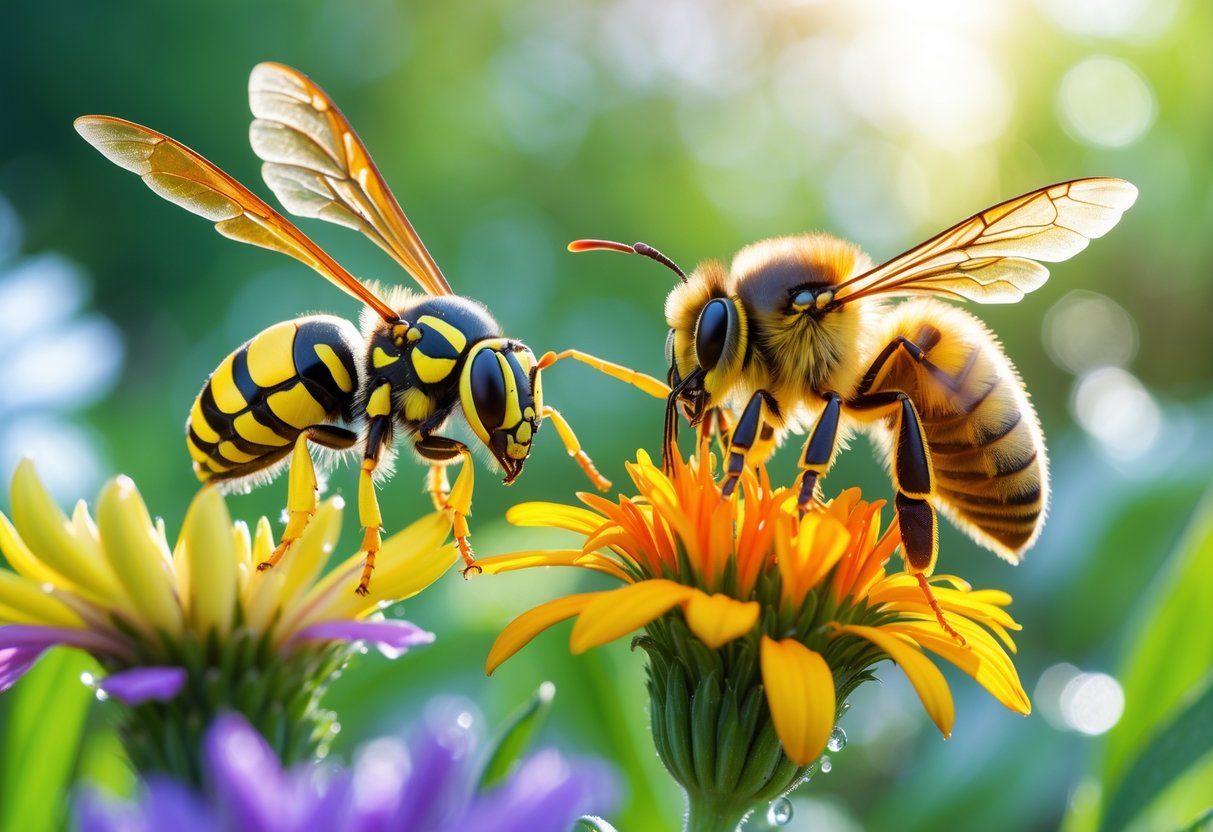
Bees usually sting only when they feel threatened, and they leave their stinger behind. Wasps? They don’t have that problem. They can sting as many times as they want without losing their stinger.
Knowing the difference between these two can help you steer clear of stings and react better if you do get one.
Are You More Likely to Be Stung by a Bee or Wasp?

So, which one is actually more likely to sting you? Bees or wasps? It depends a lot on your surroundings and how these insects behave.
Some species only sting when they get startled, but others, especially in the heat, seem almost eager to pick a fight. If you get how they act, you can avoid most stings.
Frequency of Encounters With Bees vs Wasps
Wasps—especially yellow jackets—tend to sting people more often than bees do in most places. Wasps hunt for food and love to hang out around your snacks or garbage.
Bees, on the other hand, mostly care about flowers and usually steer clear of people.
Since wasps can sting over and over and seem attracted to anything sweet, you’ll probably run into them more at picnics or near trash bins. Bees mostly defend their hives and usually sting only if you mess with them.
If you hang out near trash cans or eat outside a lot, you’re more likely to have a run-in with a wasp.
Why Bees and Wasps Sting Humans
Bees and wasps sting to protect themselves or their colonies. If you scare them or get too close, they might sting.
Honey bees leave their stinger in your skin, so the sting ends fast, but it can hurt a lot. Wasps don’t lose their stingers and can sting you again and again.
They get more aggressive if they’re defending their nest or searching for food. Accidentally bump into a hive or wasp nest, and you could be looking at multiple stings.
Stinging Behavior of Honey Bees, Yellow Jackets, and Other Species
Honey bees mostly sting to protect their hive. After they sting, their barbed stinger gets stuck, and they die. So, they’re less likely to sting unless you’re right by their home.
Yellow jackets, a type of wasp, act way more aggressively. They’ll sting several times if you provoke them. You might find their nests in the ground or in walls, and they get defensive if disturbed.
Other bees and wasps behave differently. Carpenter bees rarely sting, and bumblebees usually only do if you handle them roughly.
Yellow jackets are often the main troublemakers at summer picnics or barbecues. They’re bold and just seem to show up everywhere. For more details, check out bee vs wasp differences in sting behavior.
Key Differences Between Bee and Wasp Stings

Bee and wasp stings both cause pain and swelling, but they work a bit differently. Your reaction depends on the insect, the venom, and whether you’re allergic.
It’s good to know the details so you’ll recognize symptoms and know what to expect if you get stung.
How Bee and Wasp Stingers Work
When a bee stings, its barbed stinger gets stuck in your skin. The bee pulls away, leaving the stinger and venom sac behind.
This venom sac keeps pumping venom for a short time, and because the stinger stays in, the bee dies after stinging.
Wasps have smooth stingers. They can sting you multiple times without losing their stinger, so they inject venom repeatedly during an attack.
Wasps use their stingers to defend themselves and to catch prey. That’s a big difference—bees sting once, wasps keep going.
Venom: Composition and Effects
Bee venom mainly contains apitoxin, a mix of proteins that cause pain and inflammation. It’s got enzymes and peptides that break down cell membranes and trigger your immune system.
You’ll get swelling, redness, and itching at the sting site. Wasp venom is packed with stronger chemicals and different enzymes.
It causes sharper pain and can hit your nervous system harder. Since wasps can inject more venom, symptoms might feel worse or last longer.
Both stings hurt, but wasp venom usually burns more, while bee venom can leave you sore for longer because the venom sac keeps pumping after the sting.
Symptoms of Bee Stings vs Wasp Stings
A bee sting brings sharp pain right away. You might see swelling, redness, and a small bump.
The pain usually fades in a few hours, but swelling can stick around for a day or two. If you don’t remove the stinger, swelling might get worse.
Wasp stings often cause a more intense, burning pain immediately. You’ll usually see bigger red marks and swelling that spreads around the sting.
Since wasps can sting you more than once, you might end up with several painful spots. Sometimes the pain lasts longer and feels hotter than a bee sting.
Allergic Reactions and Anaphylaxis
Some folks are allergic to bee or wasp venom. That can trigger reactions that go way beyond just swelling and pain.
Mild allergic reactions might show up as itching, hives, or swelling that pops up far from where you got stung.
Severe allergic reactions—yeah, those are called anaphylaxis—can get life-threatening fast. You might notice trouble breathing, swelling in your face or throat, a rapid heartbeat, or even dizziness.
If you spot any of those, you need medical help right away.
Wasp stings sometimes hit harder because their venom packs more of a punch. If you already know you’re allergic, it’s really important to keep an epinephrine injector (EpiPen) with you.
After a severe reaction, don’t wait—get medical care as soon as you can.
Curious about the differences? Check out more on bee stings vs. wasp stings to help stay safe.


