
If you’re curious about whether a honey bee is male or female, there are a few easy ways to spot the difference. Male honey bees—people call them drones—have bigger bodies, larger eyes that meet at the top of their heads, and thicker legs than the smaller female worker bees. Once you know this, it’s easier to get what each bee is actually doing in the hive.
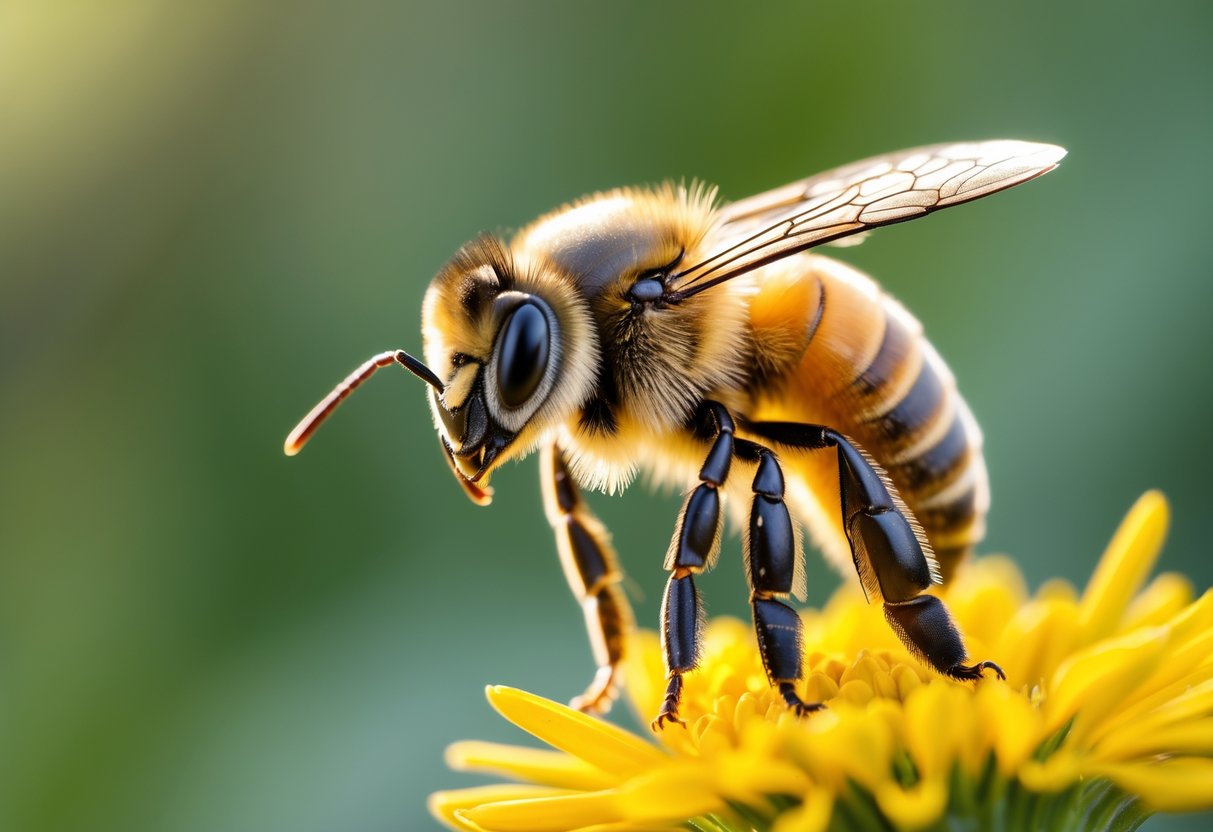
Most bees you see zipping around flowers are female workers. They’re out there gathering nectar, making honey, and looking after the hive.
Males mostly stick around to mate with the queen. You won’t see them buzzing from flower to flower like the females.
If you pay attention to these simple traits, you can figure out pretty quickly if the honey bee you spot is male or female. Honestly, it makes watching bees way more interesting and helps you appreciate how the hive works together.
Want more details? Let’s get into how you can tell males from females by their eyes and body size.
Key Differences Between Male and Female Honey Bees

You can spot the difference between male and female honey bees by checking out their size, body shape, and what they’re up to. Males—those are the drones—and females, which include workers and the queen, each have their own thing going on.
Their eyes, wings, and bodies don’t look the same, which helps you pick them out in the hive or even outside.
How to Distinguish Drones, Workers, and Queens
Honey bee colonies have three main types: drones, workers, and the queen. Drones are the guys. They’ve got bigger, rounder bodies than workers.
Queens? They’re the largest females, with long abdomens. Worker bees, also female, are smaller and more slender than the queen.
Drones don’t bother with collecting pollen or nectar. Their main gig is mating with a queen.
Workers handle most of the hive’s chores—cleaning, foraging, and protecting. The queen just lays eggs.
If you notice different body sizes and jobs, that’s a pretty reliable way to tell them apart.
Physical Characteristics Unique to Each Gender
Male drones have giant, round eyes that almost touch at the top of their heads. This helps them spot queens during mating flights.
They’re bigger than worker bees but not as big as the queen. Workers have smaller eyes that are set farther apart.
You’ll often see pollen baskets on their back legs, which they use to haul pollen. Queens have long abdomens that stick out past their wings, making them stand out.
Here’s a quick size comparison:
| Type | Size | Eyes | Abdomen |
|---|---|---|---|
| Queen | Largest | Medium, separate | Long and pointed |
| Worker | Smallest | Small, separate | Shorter, with pollen sacs |
| Drone (male) | Medium | Large, touching | Round and blunt |
Behavioral Differences Between Male and Female Honey Bees
You’ll notice male drones mostly hang around the hive during mating season. They don’t collect nectar or pollen.
Their big eyes help them find queens in flight. Female workers, on the other hand, stay busy all day.
They collect pollen, defend the hive, and keep everything running. Queens rarely leave the hive except for mating flights.
Drones usually rest inside or near the entrance. After mating, drones die, so you won’t find old males in a hive.
Female workers live longer and take care of most tasks that keep the hive going.
If you watch what each bee is doing, their behavior gives you a big clue about their gender.
How Honey Bee Gender Is Determined

Honey bee gender depends on how many sets of chromosomes a bee has and what it eats when it’s young. These two things decide if a bee turns out male, a female worker, or a queen.
Once you know this, you can see how surprisingly complex and fascinating honeybee colonies are.
The Haplodiploidy System in Bees
In honey bees (Apis mellifera), a system called haplodiploidy decides gender. You’ll find this system in bees, ants, and wasps.
- Haploid males: Males (drones) develop from unfertilized eggs. They’ve got just one set of chromosomes, making them haploid.
- Diploid females: Females—workers or queens—come from fertilized eggs. They have two sets of chromosomes, so they’re diploid.
Males have one set of chromosomes, so they don’t have fathers but do have grandfathers. Females have both fathers and mothers.
This system shapes the social structure and roles in a honeybee colony. Kind of wild, right?
The Role of Diet in Developing Queen or Worker Bees
A female bee’s future—queen or worker—mostly comes down to what she eats as a larva.
All female larvae start out the same way. Their diets push them down different paths.
-
Royal jelly: When worker bees feed a larva only royal jelly, that larva grows into a fertile queen. This stuff is rich and unique, and it actually switches on genes for queen traits—like bigger bodies and full reproductive organs.
-
Bee bread and nectar: If the larva gets a mix of pollen, nectar, and just a little royal jelly, she turns into a sterile worker bee instead. Workers end up doing the tough jobs: gathering nectar, taking care of the young, or even standing guard at the hive entrance.
It’s kind of wild, but this difference in food is why a single queen can influence the whole hive’s future. She controls which larvae get royal jelly, and that shapes the colony.


