
Got bees buzzing around your house or garden? You’re definitely not the only one dealing with that. Bees help the environment, sure, but sometimes they just pick the wrong spot and cause headaches or even safety worries.
Honestly, if you want to get rid of bees quickly and safely, your best bet is to call a pest-control pro. They’ll know how to remove bees without hurting them or wrecking your property.
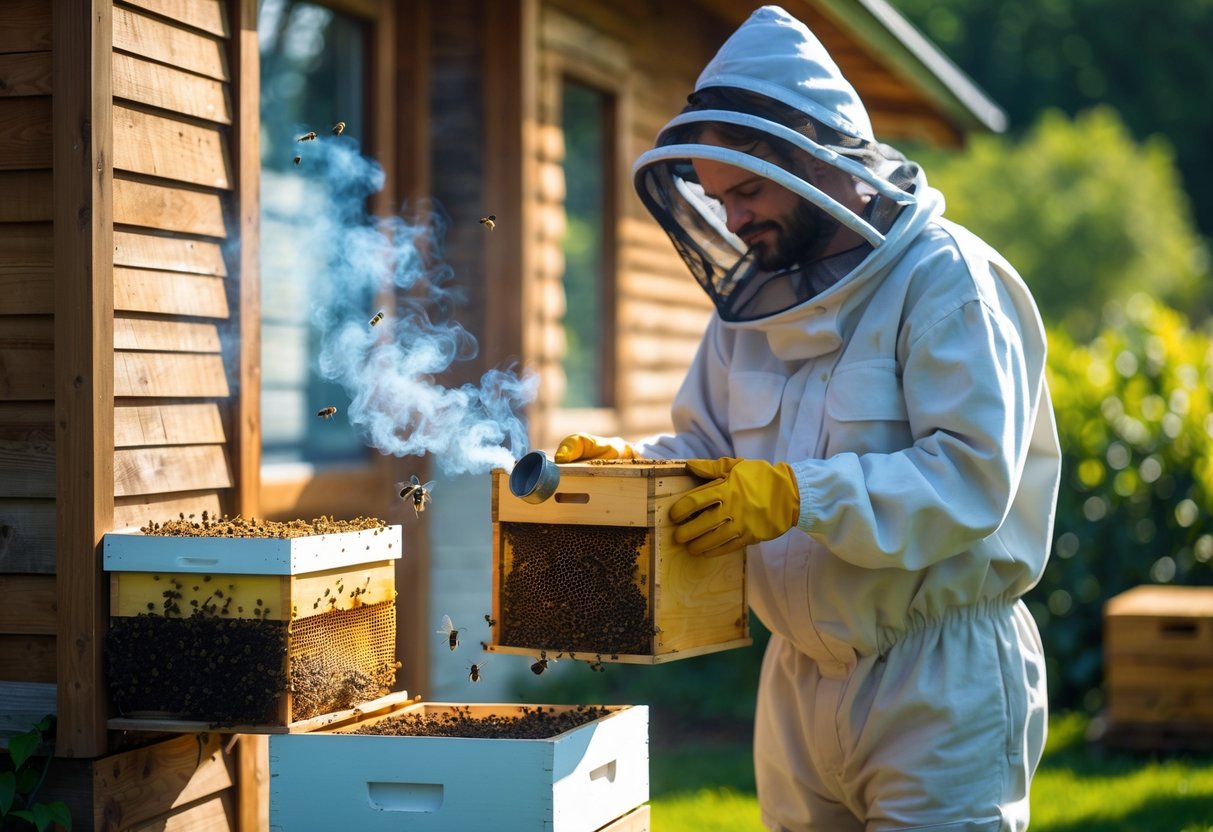
But if you’re more of a DIY person, you can try a few natural tricks. Some plants and household stuff really put bees off. Figuring out what kind of bees you’re dealing with makes things a lot easier.
Bees might nest in your walls, under the ground, or just hang out in the yard. However you handle it, you’ll want to be careful. This guide will walk you through your options so you can reclaim your space without making things worse.
For more details, check out this guide on how to get rid of bees.
Effective Ways to Get Rid of Bees

You’ve got a bunch of safe ways to keep bees away. Natural sprays, traps, and even calling in the experts can all help.
Each method cuts down on bees hanging around, and you don’t have to hurt them or mess up your yard.
Natural Bee Repellents and Scents
Some plants and smells just drive bees nuts. Try planting mint, marigolds, eucalyptus, or lemongrass. Sprinkling cinnamon works, too.
Lighting a citronella candle outside can make a difference while you’re out there. Homemade sprays with crushed garlic or a bit of cayenne pepper in water might also help.
Spray these scents by doors, patios, or your flower beds. They work best for keeping bees from moving in, not for getting rid of a hive that’s already there.
Using Bee Traps and Removal Devices
Bee traps lure bees in and keep them from coming back out. You can buy a bee trap or make one with sugar water or fruit juice as bait.
Set traps away from your main hangout spots, but close enough to catch the bees’ attention. Homemade traps are usually just jars with tiny openings—bees crawl in for the treat, but can’t figure out the way back.
Traps work best if you use them with other methods, like repellents. If there’s a hive nearby, skip the traps—disturbing the hive can make things worse.
Hanging Mothballs and Household Deterrents
Mothballs can keep bees out of small spaces like sheds or porches. The strong smell throws them off and they’ll usually move on.
You can also set out bowls of vinegar or spray diluted vinegar around spots where bees show up. Bees really don’t like the smell of vinegar or mothballs.
Just be careful—use these outside and keep them away from kids and pets. Mothballs have chemicals that are okay in small amounts outside, but you don’t want them indoors.
Professional Bee Removal and Relocation
If bees set up a hive near your house or you’re allergic, don’t risk it—just call a beekeeper or pest control expert. They know how to safely remove or relocate bees.
Pros use special gear and smoke to calm bees before moving them. That way, they protect the bees and keep you from getting stung.
Don’t try to remove a hive yourself unless you really know what you’re doing. Let the experts handle it so you avoid injuries and property damage.
For more info on expert bee removal, check out how to get rid of bees safely and effectively.
Targeting Different Types of Bees and Safety Tips
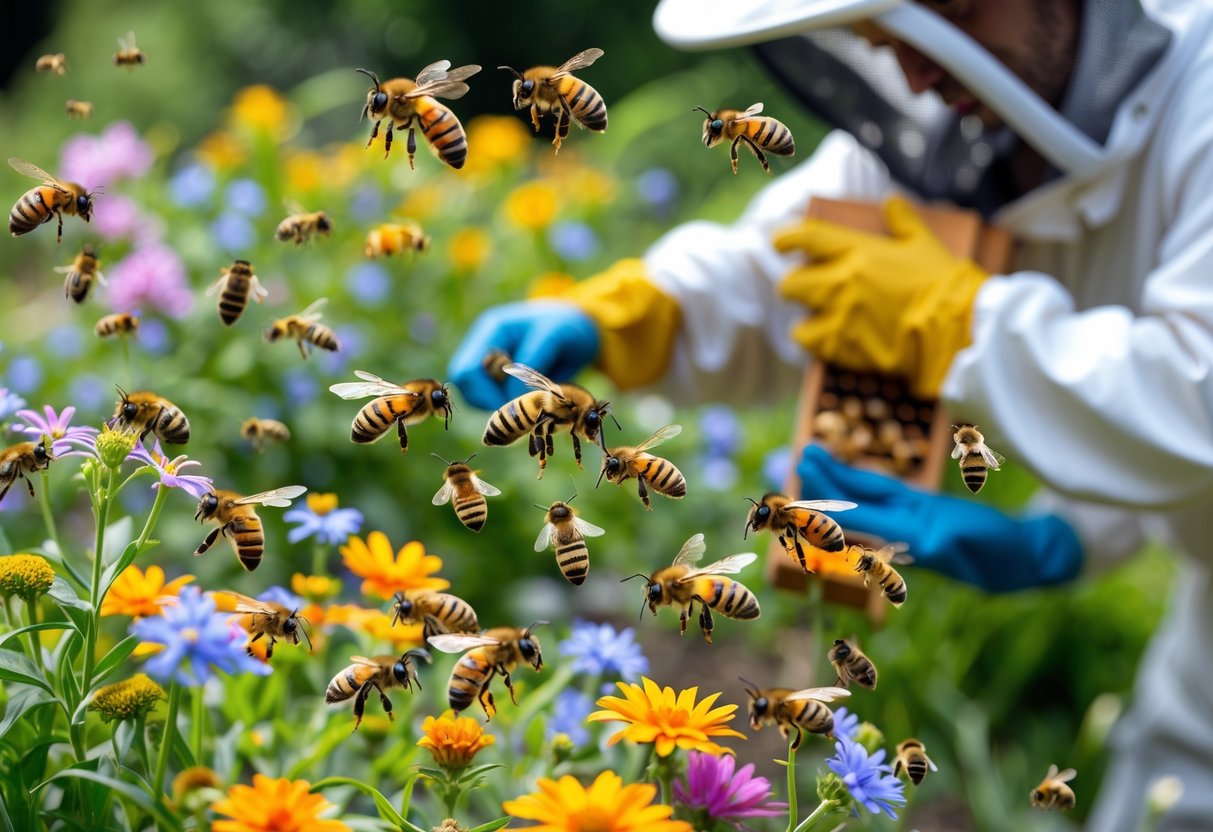
Knowing what kind of bees you’re dealing with helps you stay safe and avoid stings. Some bees damage wood, others dig into the ground.
Taking the right steps for each type makes your job easier and safer.
Dealing with Carpenter Bees
Carpenter bees drill into wood to nest. You’ll see round holes in decks, siding, or eaves. They don’t eat the wood, but their tunnels can cause problems over time.
Seal up any holes with wood filler or caulk. Painting or varnishing wood also helps keep them away. Skip harsh chemicals—calling in a professional is safer and keeps the bees from getting hurt.
Managing Ground Bees
Ground bees nest in soil, often leaving small holes in your lawn or garden. They aren’t usually aggressive but can sting if you mess with them.
Try not to disturb the area too much. Use natural repellents like vinegar or citrus sprays, but watch out for other helpful bugs nearby.
If the nest is near where people walk or play, you might want to call in an expert to move the colony safely.
Precautions Against Bee Stings
Bee stings hurt, and for some folks, they can trigger allergic reactions. If you spot bees nearby, try not to make sudden moves or swat at them.
Throw on long sleeves and pants when you’re working outside. It’s not always comfortable, but it does protect your skin.
If a bee stings you, just walk away calmly. That way, you lower your chances of getting stung again.
Wash the sting with soap and water. After that, grab some ice to help with the swelling.
If you’ve got severe allergies, keep an epinephrine injector close by. It’s a good idea to teach your family about bee safety too—why not keep everyone out of trouble?
For more tips on handling bees, take a look at this guide on how to get rid of bees safely and effectively.


