
If you’ve ever been stung by a bee, you might instantly wonder: does it leave its stinger behind? Only honey bees leave their stinger in your skin after they sting. Wasps, hornets, and bumblebees? They can sting you more than once because they just yank their stinger back out.

It’s useful to know which bees leave their stinger behind. That stinger keeps pumping venom for a bit, and the longer it stays in, the worse the pain and swelling get.
If you know this, you can react faster and maybe save yourself some misery.
Do Bees Leave a Stinger in You?
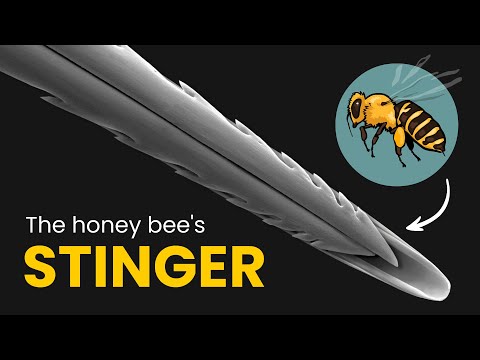
Whether a bee leaves its stinger in you really depends on what kind of bee it is. Some bees have barbed stingers that get stuck in your skin.
Others have smooth stingers, so they can sting and pull out just fine. If you know which bees leave their stinger, you’ll know what to look for and how fast you need to act.
Why Only Some Bees Leave a Stinger Behind
Bees don’t all leave their stinger because their stingers aren’t built the same. Honey bees have barbed stingers that dig into your skin and get stuck.
When a honey bee stings, the barbs anchor the stinger. As the bee tries to fly off, the stinger stays behind, along with venom sacs and even parts of the bee’s body.
Bumblebees? They’ve got smooth stingers, so they can sting and then just pull it right out. Wasps and hornets also have smooth stingers, which means they don’t leave anything behind when they sting.
Which Bee Species Leave Stingers
Worker honey bees are the main ones that leave stingers. These female bees defend their hive by stinging.
When they sting, the barbed stinger gets stuck in your skin and keeps pumping venom, making the pain and swelling worse.
Bumblebees usually don’t leave their stinger because theirs are smooth. They can sting more than once without getting stuck.
Other bees generally don’t leave their stingers either. Some only sting in self-defense, and their stingers don’t have barbs, so you won’t find a stinger left in your skin.
What Happens to the Bee After Stinging
A honey bee loses part of its body when it leaves its stinger behind. It leaves behind part of its digestive and nervous systems, which is pretty brutal.
This injury kills the honey bee within a few hours. Bumblebees survive after they sting because they keep their stinger, so they can sting again if they need to.
Honey bees usually only sting if they’re protecting their hive. If you get stung by a honey bee, try to remove the stinger gently and quickly to stop more venom from getting in.
Comparing Stingers: Bees, Wasps, and Hornets

Not all insects sting the same way. Some leave their stingers behind, but others just keep stinging as much as they want.
Knowing these differences can help you figure out what’s happening if you get stung.
Barbed vs. Smooth Stingers
Most bees, like honey bees, have barbed stingers. When they sting, the stinger gets stuck in your skin and stays there.
The stinger keeps injecting venom even after the bee flies away. The bee dies because part of its body gets ripped out.
Wasps and hornets have smooth stingers. They can sting over and over without leaving anything behind.
Their stingers slide out easily, and they don’t die from stinging. That’s probably why wasps and hornets seem so bold, especially when food is around.
| Insect Type | Stinger Type | Stinger Left Behind? | Can Sting Multiple Times? |
|---|---|---|---|
| Honeybee | Barbed | Yes | No |
| Bumblebee | Barbed | Usually no | Sometimes yes |
| Wasp | Smooth | No | Yes |
| Hornet | Smooth | No | Yes |
Bumblebees and Their Sting
Bumblebees have barbed stingers too, but theirs don’t get stuck as easily. Most of the time, bumblebees can sting more than once without losing their stinger.
They usually only sting if they feel threatened. Since their stinger doesn’t usually stay behind, you probably won’t find it in your skin after a bumblebee sting.
Still, their sting hurts and can cause swelling. If you do get stung by a bumblebee, check if the stinger is there, but odds are, it won’t be like with honey bees.
Wasps and Hornets: Repeat Stingers
Wasps and hornets have smooth stingers, so they can sting over and over. That gives them a real edge when they’re defending themselves or hunting.
They don’t just sting once and call it a day—they can chase you and sting again if they feel threatened. Honestly, that’s a bit unsettling.
If a wasp or hornet stings you, you won’t find a stinger stuck in your skin. You don’t have to bother scraping anything out.
These insects love food, especially when you’re eating outside in warm weather. So, maybe keep an eye on your picnic snacks.
Curious about how to tell bees, wasps, and hornets apart? Here’s a guide to identifying bees, wasps, and hornets.


