
Bees might look tiny and always on the move, but their lifespans really depend on what kind of bee they are and what job they do. A worker bee usually gets about 6 weeks during the summer, while the queen can stick around for several years.
When you notice these differences, you start to appreciate how every bee helps its colony in its own way.
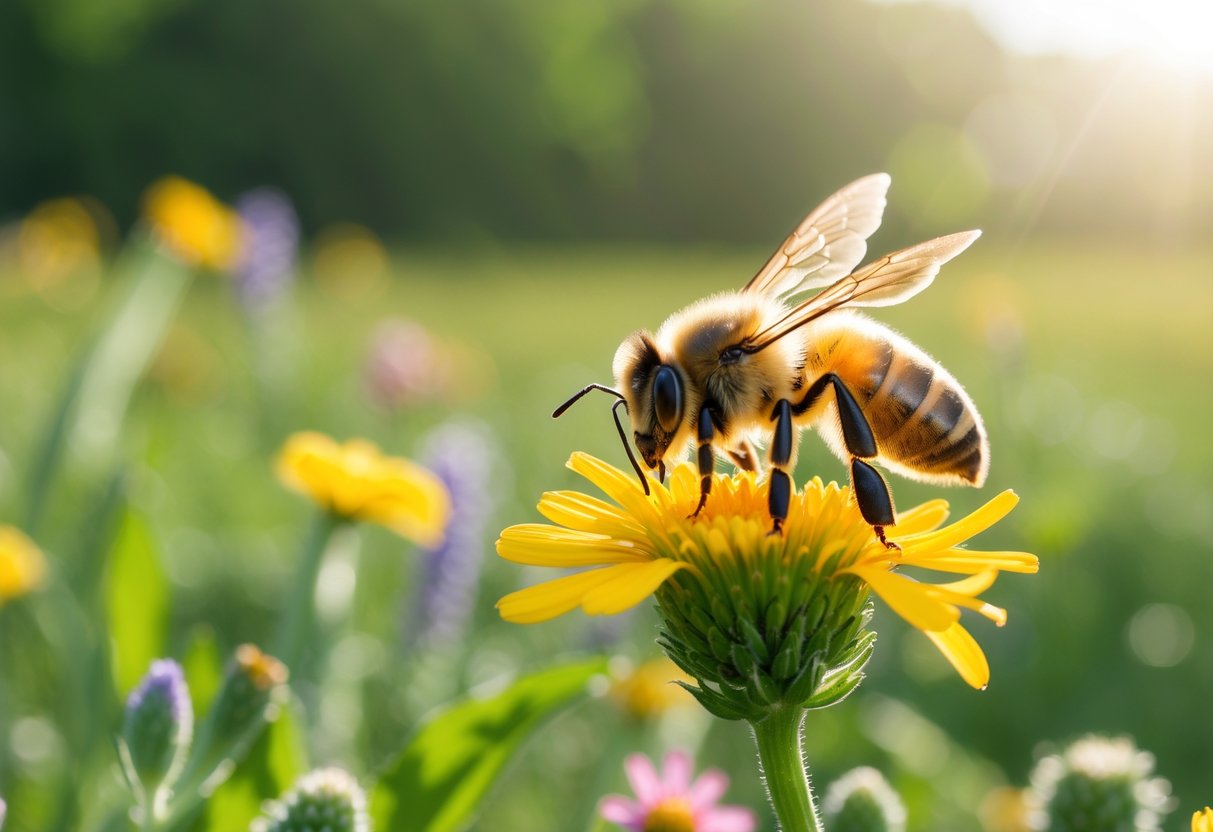
Ever wonder why some bees vanish so fast, while others seem to last forever? It really comes down to their roles.
Worker bees lead short, hectic lives. Queens mostly lay eggs and get to live much longer.
Honestly, it’s a pretty wild system inside the hive.
Whether you’re curious about honey bees, bumblebees, or even solitary bees, their lifespans change with their job and where they live.
Keep going, and you’ll see what shapes a bee’s life and why it matters for everyone else, too.
If you want more details, check out how long can bees live by species and role.
Approximate Lifespan of a Bee

Bees don’t all live the same amount of time. Their job, species, and the world around them make a big difference.
Some bees are here for just a few weeks. Others, like the queen, can hang on for years.
Average Lifespan by Role: Worker, Drone, and Queen
Your experience with bees really depends on which bee you’re looking at.
Worker bees (the females) get about 6 weeks when spring and summer are busy. They work nonstop and wear themselves out.
Drone bees, the males, usually last about 30 to 60 days. Their main goal is to mate with the queen, and that’s about it.
The queen bee is the real survivor. She can live between 3 and 6 years, mostly just laying eggs to keep the colony going.
| Role | Lifespan |
|---|---|
| Worker | 6 weeks (summer) |
| Drone | 30 to 60 days |
| Queen | 3 to 6 years |
How Lifespan Varies Across Bee Species
Not every bee gets the same time here. Honey bees get most of the attention, but there are lots of other bees out there.
Solitary bees don’t live in big groups. They usually live just a few weeks or months since they don’t have a hive to back them up.
Bumblebees do a bit better. Some, especially queens, can live up to a year because they hibernate through winter.
Different species have their own tricks for surviving, so you’ll find a lot of variation outside the typical honey bee story.
Factors That Influence How Long Bees Live
A bunch of things can change how long a bee lives. Weather and seasons matter a lot.
Bees born in spring or summer usually live shorter lives since they work themselves ragged.
Food and hive health are huge. If flowers are hard to find, bees just don’t get enough to eat and won’t last as long.
Pesticides and disease really hurt, too. They can make bees weak or kill them off early.
Genetics play a part as well. Some bees just come from tougher families and get a little more time.
You can read more about how lifespan varies by role and species at biologyinsights.com in the article about bee lifespans.
Bee Life Cycle and Longevity Differences

Bees live different lengths of time depending on what they do and where they are in their life. The season and environment can really change things.
All these factors mix together to decide how long each bee gets.
Life Stages From Egg to Adult
Every bee starts out as an egg. Then it grows into a larva and later becomes a pupa before it’s an adult.
For honey bees, this whole process takes about 21 days.
As an egg, the bee is tiny and delicate. During the larva stage, it basically just eats and grows.
The pupa stage is where the magic happens—the bee transforms inside its cell.
The bee you see flying around is the adult. Its job—worker, drone, or queen—decides how long it’ll stick around.
Queens can last for years, but workers have much shorter lives.
Changes in Lifespan Through Seasons
Worker bees last about 6 weeks in the summer because they work themselves to the bone gathering food and protecting the hive.
In the colder months, not as many bees are born, but some workers can live for months to help keep the hive warm.
Queens make it through every season, usually living 3 to 5 years since the others take care of her.
Drones, the guys, only live a few weeks and die right after mating.
Seasonal changes speed up or slow down bee life. In busy times, bees burn out fast. During winter, they can last a lot longer.
Impact of Environment and Threats on Bee Lifespan
Pests, diseases, and harsh weather can really shorten your bees’ lives. Parasites like varroa mites attack bees directly, so they end up living much shorter lives.
If there aren’t enough flowers around, bees get poor nutrition. That alone can mess with their health in a big way.
Pesticides? Those can throw off a bee’s sense of direction and make it tough for them to find food. They might not last long if they keep running into that problem.
If you want your bees to live longer, you’ll need to cut down on these threats. When bees stay healthy, the whole colony tends to thrive.
You can check out this guide to honey bee life span for more details on different bee species and roles.


