
Ever been stung by a bee and wondered if the stinger will just pop out on its own? Honestly, it usually won’t. A bee stinger tends to stay lodged in your skin and doesn’t fall out right away. It keeps pumping venom until you pull it out, so the sooner you get rid of it, the less pain and swelling you’ll deal with.

Sometimes, the stinger might work itself out after a few days, kind of like a splinter. But waiting for that to happen isn’t the best idea. If you act quickly, you can stop more venom from spreading and avoid a lot of discomfort.
Learning how to get rid of the stinger safely can really change how you feel after a sting.
Will a Bee Stinger Fall Out Naturally?
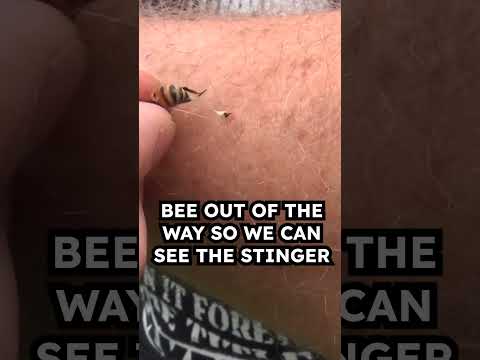
When a bee stings you, it leaves its stinger stuck in your skin. That stinger keeps injecting venom, and the symptoms can get worse the longer it stays in. Knowing how long it can hang around and why it gets stuck helps you act fast.
What Happens if the Stinger Stays in the Skin
If you leave the bee stinger in your skin, it can keep pumping venom for up to a minute. The stinger has a little venom sac attached, and that’s what causes all the swelling, redness, pain, and itching. The more time it stays in, the more venom you get.
You might spot a tiny black or brown dot where the stinger is lodged. If you don’t remove it, you could end up with extra swelling and a longer recovery. Pulling the stinger out quickly means less venom, less pain, and less swelling.
How Long a Bee Stinger Can Remain Embedded
A bee stinger doesn’t just fall out right away. It usually hangs around until you do something about it. The barbs on the stinger really dig in and keep it stuck.
Some folks think it’ll just work itself out after a few hours or days, but honestly, it can stay embedded a lot longer if you ignore it. Since it can keep injecting venom the whole time, it makes sense to get it out fast. If you don’t, it might only come out when your skin heals or sheds, which can take a while.
Why Bee Stingers Get Stuck
Bee stingers have little barbs—tiny hooks that grab onto your skin. These barbs are made to keep the stinger in place.
When a bee stings, the barbs lock it in, so the bee ends up losing its stinger and venom sac as a defense move. Sadly, that’s fatal for the bee.
For you, though, those barbs mean the stinger stays put and keeps releasing venom. The best thing you can do is scrape it out gently with something flat or carefully pull it out to stop more venom from getting in.
Safe Removal and What to Do After a Bee Sting

If you get the stinger out quickly and take care of the sting, you can ease the pain and swelling a lot. It’s also good to know when you might need to see a doctor, especially if you react badly.
Here’s what you should do after a bee sting.
Proper Steps to Remove a Bee Stinger
The stinger keeps releasing venom even after the bee flies off, so you need to get it out fast.
- Grab a flat object—like a credit card or your fingernail—and gently scrape the stinger out.
- Try not to squeeze it with tweezers or your fingers, since that can push more venom in.
- The quicker you get it out, the better.
After you’ve pulled it out, wash the area with soap and water. Quick removal really helps cut down on pain and swelling.
Home Care for Bee Stings
Once the stinger’s out, you can treat the sting at home:
- Put a cold pack or ice wrapped in a cloth on the area for 10-15 minutes to help with pain and swelling.
- Use some over-the-counter hydrocortisone cream or an antihistamine to calm itching or swelling.
- Keep the sting clean and try not to scratch it, so you don’t get an infection.
Skip harsh chemicals on the sting. Try to stay calm—your body will handle the rest. And hey, if you’re around bees a lot, wearing a beekeeping suit isn’t a bad idea.
When to Seek Medical Help
Most bee stings just cause mild symptoms, but you really need to get medical help right away if you notice signs of anaphylaxis.
Watch out for things like:
- Trouble breathing or swallowing
- Swelling in your face, throat, or mouth
- Feeling dizzy or faint
- A racing heartbeat
If you already know you’re allergic to bee venom, grab your prescribed epinephrine injector and head straight to the emergency room.
Also, if the sting gets worse over a few days or you spot infection signs—like redness, warmth, or pus—go see a doctor.


