
Ever wondered when bees act up the most? Knowing this could actually help you stay safe while you’re outside.
Bees usually get most aggressive from 10 a.m. to 4 p.m., especially when it’s warm and they’re busy collecting nectar and pollen. They’re buzzing around, focused on their work, and if you get too close, they might not be so friendly.
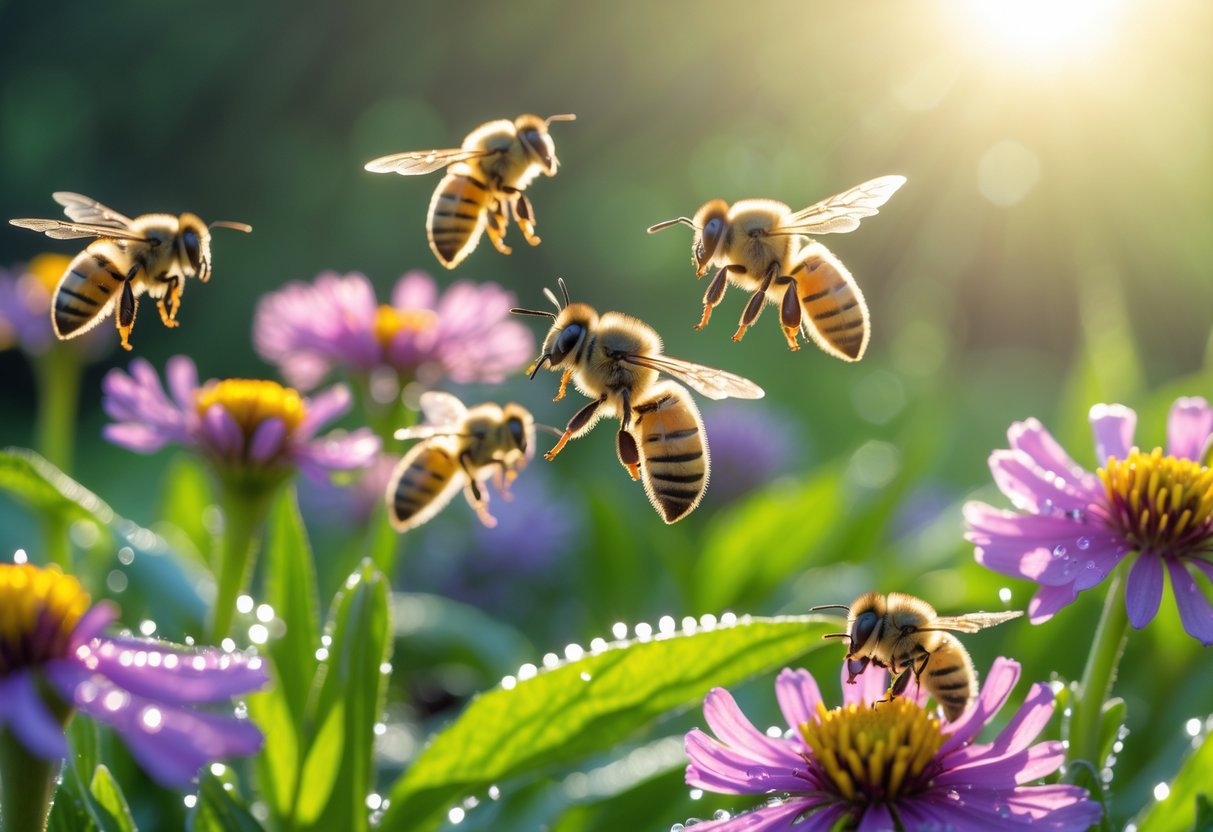
You’ll probably see bees calm down early in the morning or later in the evening when things cool off. It helps to notice this pattern, so you can plan your day and avoid getting in their way when they’re on high alert.
Temperature and sunlight play a big role in their mood. On bright, sunny days, bees get more defensive, while cooler or shady times usually mean they’re less active.
If you watch for these patterns, you can relax outdoors without stressing about bee stings. Curious for more? Check out this article on when bees are most aggressive.
When Are Bees Most Aggressive During the Day?

You’ll notice bees change their mood depending on the time and what’s happening around them. Their behavior lines up with when they’re out foraging and what the weather’s like.
Peak Aggression Hours and Daily Activity Patterns
Bees ramp up their aggression between 10 a.m. and 4 p.m. That’s when they’re busiest searching for nectar and pollen.
During these hours, if you bother them, they’re more likely to get defensive. Most honey bees really focus their efforts in the early to mid-afternoon, and you might find them at their feistiest around 2 p.m.
When it’s not their main work window, bees tend to chill out and don’t sting as easily.
Role of Temperature, Sunlight, and Weather
Warm, sunny weather makes bees more active and quick to defend their hive. When the sun’s out and temperatures climb, they react faster to anything they see as a threat.
On cloudy or rainy days, bees usually stay inside the hive and don’t come out as much. If it’s chilly, they might get a bit defensive, maybe because they feel more exposed.
How Foraging for Nectar and Pollen Influences Aggression
Bees get protective when they’re out gathering food. While they collect nectar and pollen, they keep a close eye on their surroundings.
If you wander too close, they might see you as a threat and act out. Their job is to bring resources back to the colony, especially during peak flower season, so they’re on high alert.
They play a huge role in pollination, but that sometimes means they’ll defend their space if needed.
You can dive deeper into bee behavior at this guide on what time of day bees are most aggressive.
Factors That Increase Bee Aggression Outside of Peak Times
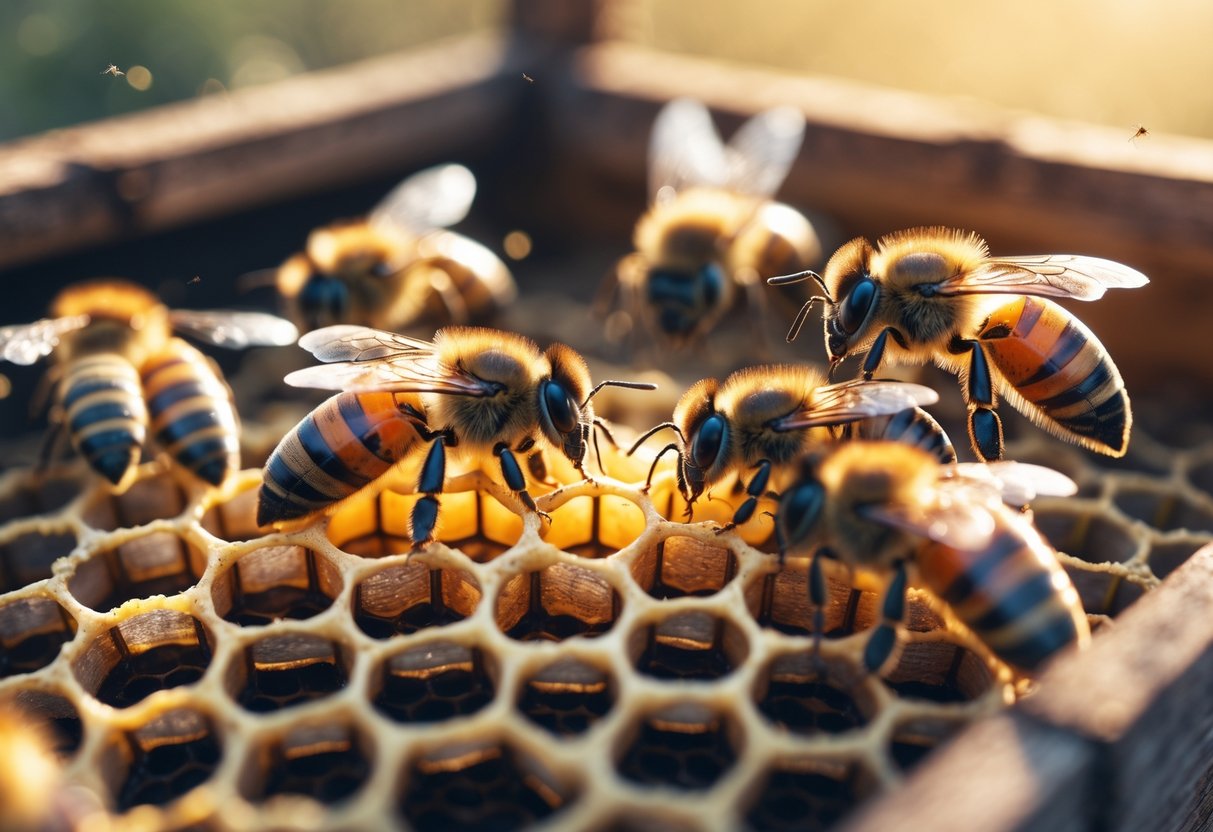
Bee aggression isn’t just about the time of day. Certain things can make them more defensive, even when they’re not at their busiest.
Knowing what sets them off helps you stay out of trouble and handle bees with less stress.
Human Interactions and Beekeeping Practices
If you disturb a hive or handle bees roughly, they’ll probably react with more aggression. Quick or sudden moves near their colony make bees feel threatened.
Beekeepers often use smoke to calm bees, but if you poke or squeeze the hive too hard, you might still set them off. Frequent inspections or moving hives can stress bees out, too.
It’s best to avoid opening hives on cold, windy, or rainy days since bees get crankier then. Wearing light colors and moving slowly definitely helps keep things peaceful.
Impact of Hive Conditions and Social Interactions
What’s happening inside the hive matters a lot. Overcrowding or poor airflow can stress bees and make them edgier.
If food runs low or the queen isn’t strong, bees get more protective of what they have left. Bees use pheromones to warn each other, so if one feels threatened, it can set off the whole group.
Social tension or competition inside the hive can make everyone more defensive. Regularly checking on hive health keeps things stable and the bees calmer.
The Influence of Circadian Rhythms and Environmental Stressors
Bees stick to circadian rhythms that shape how they act during the day and night. Usually, they seem calmer early in the morning or late in the evening.
But if the weather suddenly shifts—maybe a gust of wind or a quick drop in temperature—it can throw off their routine and make them more aggressive. That’s something I’ve noticed more than once.
Predators or losing their habitat can stress bees out too. When bees feel like their nesting spot’s in danger, you’ll probably see them get more defensive.
It helps to pay attention to climate and natural cycles if you want to pick the right time or method for approaching a hive. Timing really does matter.
For more on bee activity and behavior, check out this detailed explanation of peak aggression times and daily bee patterns.


