
Getting bitten at night really messes with your sleep. You wake up itchy and uncomfortable, and honestly, who wants that?
If you want to stop the bites, focus on keeping your sleeping space clean and protected. Use insect repellents, protective bedding, and do your best to keep bugs like mosquitoes and bed bugs out of your room.
Try keeping your sleeping area tidy and use barriers like mattress covers or window screens. That alone can make a huge difference.
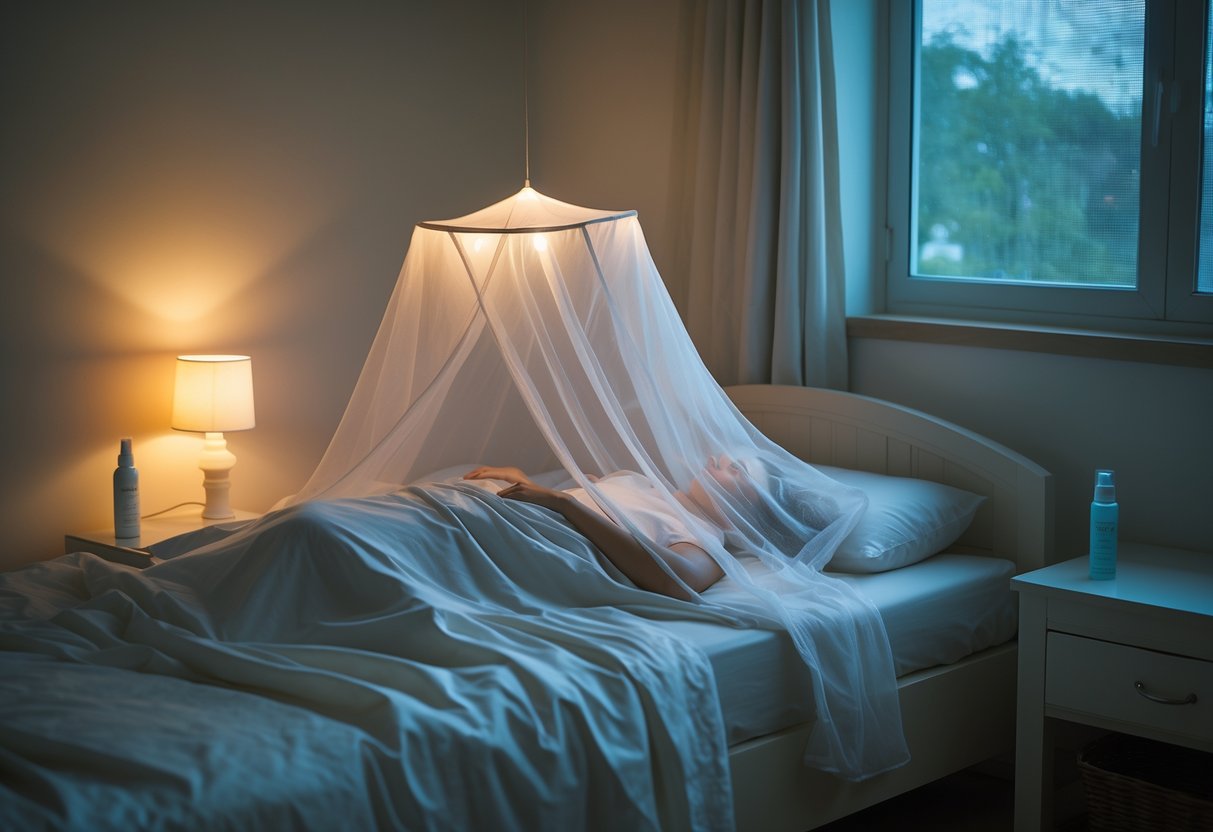
Close your windows or install screens to block bugs from sneaking in. Mosquitoes and other biting insects usually cause the problem, so limiting their access is key.
Taking these steps lets you rest easier and wake up without those annoying itchy spots.
If you understand why bugs bite at night and how to stop them, you’ll feel more in control of your sleep. You might even feel a little less annoyed when you know how to protect yourself.
For more info, check out tips on how to avoid insect bites while sleeping.
Essential Strategies to Prevent Nighttime Bites
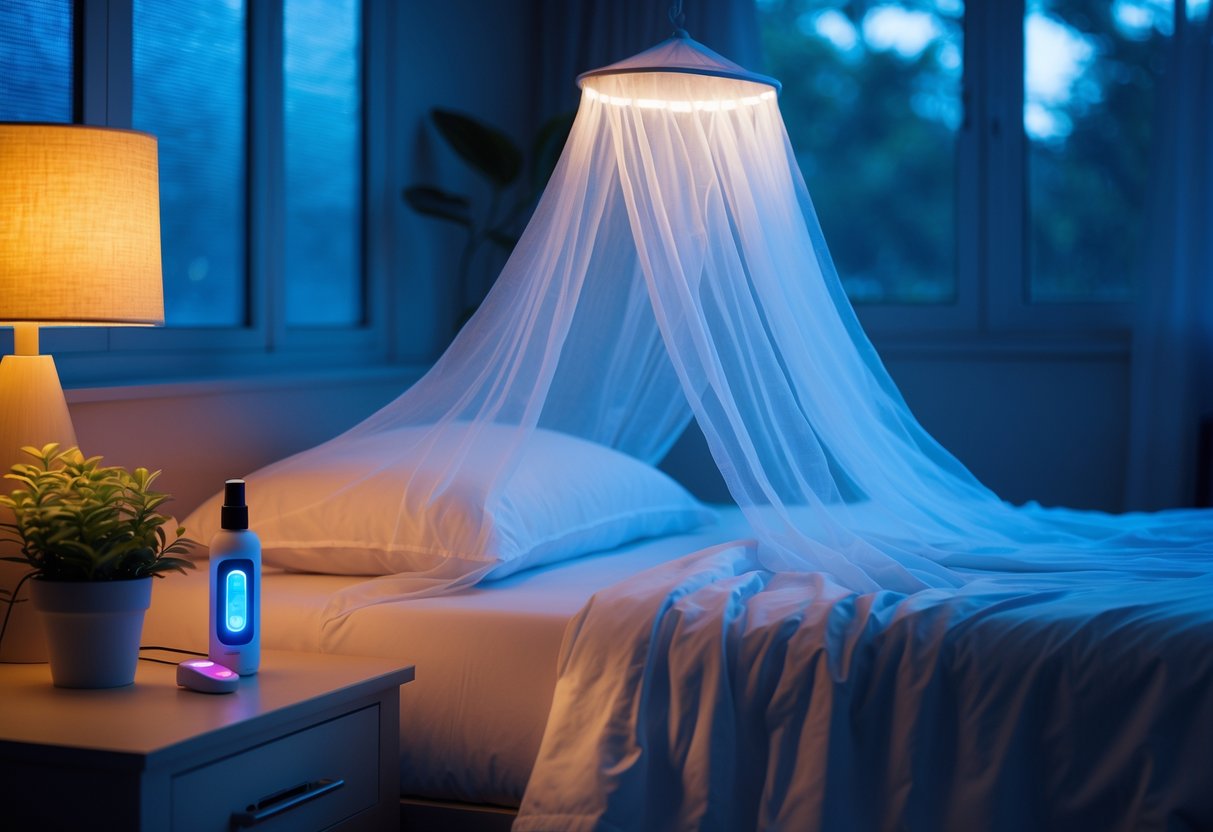
If you want to stop bug bites at night, figure out which bugs are causing the trouble. Defend your bedroom with some simple changes.
Seal up your windows, use protective covers, and pick the right repellents or clothing. These little tweaks can really help keep bugs away.
Identify Common Culprits: Mosquitoes, Bed Bugs, Fleas, and Mites
First, try to figure out which bugs are biting you. Mosquitoes usually go for exposed skin.
Bed bugs hide in mattresses and bedding, and they tend to bite in lines or clusters. Fleas often hitch a ride from pets and jump onto you at night.
Mites are tiny but can cause itchy bites that look like rashes.
Check your skin and room for signs of bugs. Look for ticks, shed skins, or tiny blood spots on your sheets.
If you know the culprit, you’ll have a better shot at stopping the bites.
Improve Bedroom Defense: Windows, Mattress, and Bedding
Check your windows for tight screens to keep mosquitoes and flying bugs out. Patch up any holes or gaps around windows and doors—bugs can get in through the smallest spaces.
Cover your mattress and box spring with bed bug covers. These create a barrier, trapping bugs inside or blocking new ones from biting.
Wash your bedding often in hot water to kill bugs and their eggs. It sounds simple, but it works.
Key actions:
- Seal gaps around windows and doors
- Use mattress encasements
- Wash sheets and pillowcases weekly in hot water
Use of Mosquito Nets and Bed Bug Covers
Mosquito nets give you a physical barrier between you and flying bugs. Tuck them under your mattress or around your bed frame so bugs can’t sneak in.
For bed bugs, zip up your mattress and pillows in bed bug-proof encasements. These thick covers keep bugs from getting in or out.
Tips for net and cover use:
- Check nets for holes and patch them up
- Pick covers with tight zippers
- Wash covers as recommended to keep them clean
Insect Repellents and Protective Clothing
Apply insect repellents to your skin or clothes to stop mosquitoes and some other bugs from biting. Look for ingredients like DEET, picaridin, or oil of lemon eucalyptus—these actually work.
If you’re in a bug-heavy area, wear long sleeves and pants at night. You can treat your clothes with permethrin, which keeps working through a few washes.
Some people use essential oils like tea tree oil as mild natural repellents, but honestly, they’re not as strong as the chemical stuff if you really want to avoid bites.
Insect repellent tips:
- Cover all exposed skin
- Read and follow label directions
- Don’t get repellents in your eyes or mouth
- Treat clothing with permethrin for long-term bug defense
Advanced Tips for a Bite-Free Night

If you want to keep bugs away while you sleep, pay attention to your home environment. Use modern tools to help control pests.
Cut down on hiding spots for insects, try out smart devices, and keep a good bedtime routine. All of these can help stop bites.
Reduce Indoor Insect Habitats and Triggers
Bugs like mosquitoes and bed bugs love warm, dark places. Keep your bedroom clean and free of clutter to give them fewer places to hide.
Vacuum often and wash your bedding in hot water. Focus on cracks in walls, furniture seams, and under your mattress.
Try using a steam cleaner on these spots—it kills eggs and bugs without chemicals. Bugs also love moisture, so keep your room dry if you can.
Seal up gaps around windows and doors to keep bugs out. Install screens on windows and doors for extra protection, especially when you want fresh air but not the bugs.
Leverage Technology and Professional Pest Control
Smart home gadgets can make a difference. AI-powered pest detectors or apps that work with Apple HomeKit or Meta’s smart hubs can help you keep tabs on insect activity.
Electric mosquito traps are an option, too. Some folks even use wearable devices like Oura rings to track sleep quality and get alerts about disturbances—including bites.
If you’re dealing with a serious pest problem, don’t hesitate to call in the pros. Pest control experts use targeted sprays or fogging that are both safe and effective.
Mixing technology with professional help usually gets better results than going it alone.
Nighttime Routines for Better Sleep and Fewer Bites
Your bedtime habits really do shape how often bugs bother you. If you wash your skin with soap before bed, you get rid of scents that mosquitoes love.
Skip the scented lotions or perfumes. Instead, try using insect repellents made for your skin or bedding.
When you’re outdoors, throw on some protective clothing or crash inside a screened tent. That can make a big difference.
Try heading to bed a bit earlier, and keep your room cooler if you can. Bugs love the heat, so turning on a fan or air conditioner might help you sleep better—and keep the bites away.
Tweaking your routine and making small changes in your environment can make it a lot harder for insects to snack on you at night.


